Last updated November 21, 2026
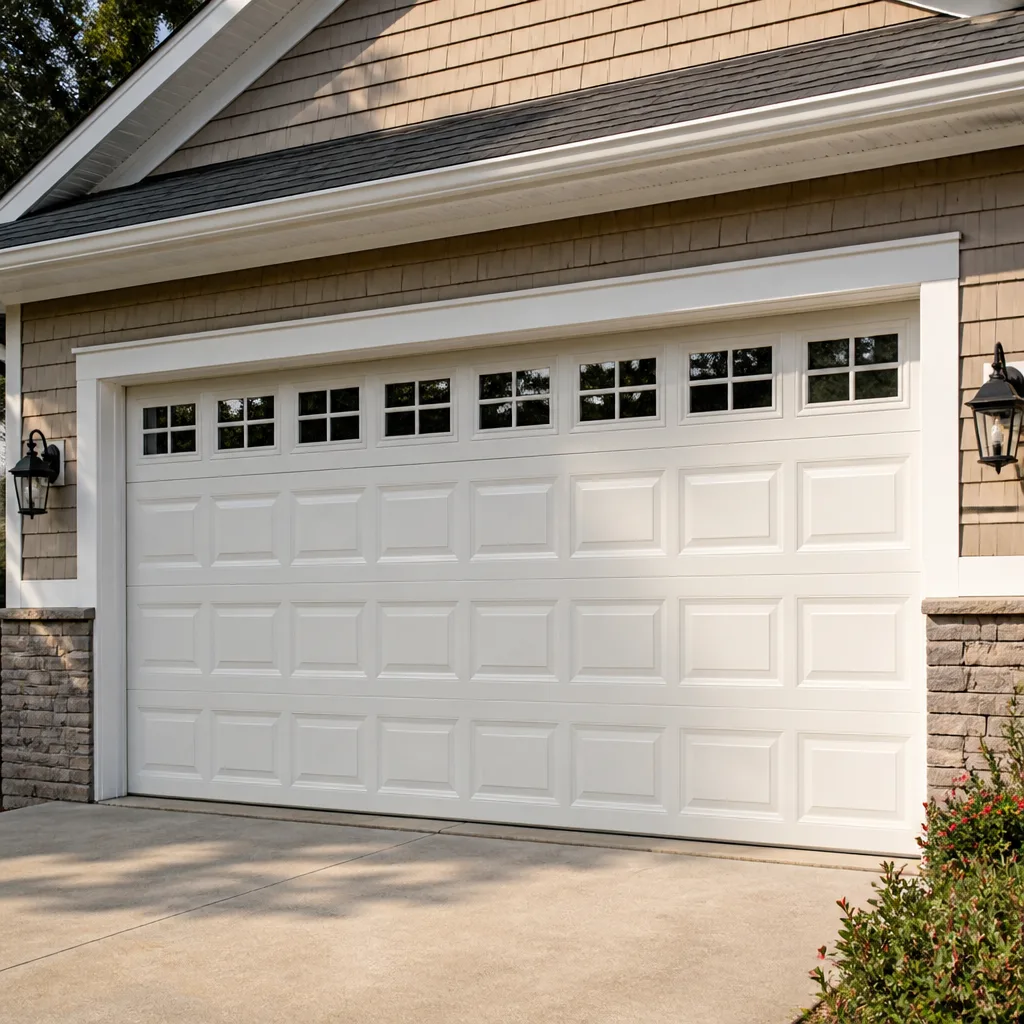 Raised-panel steel
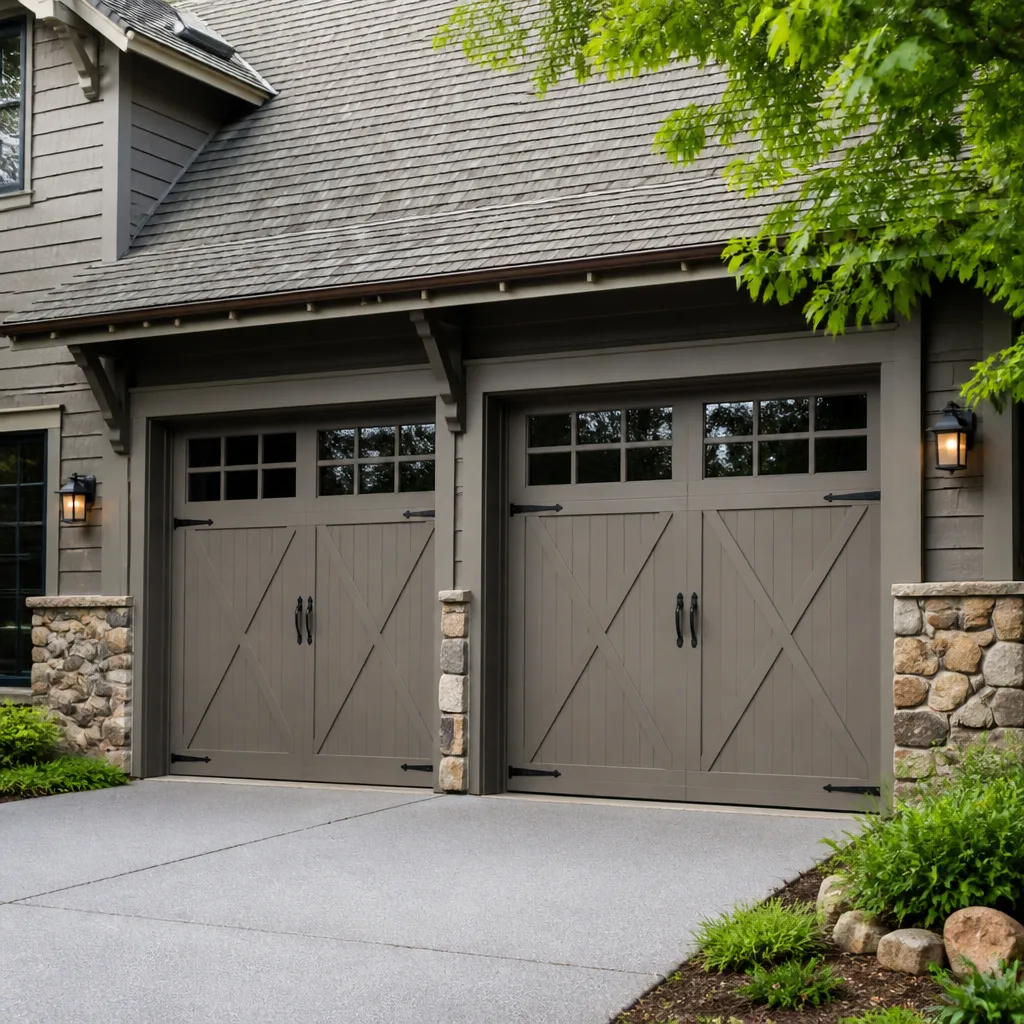 Carriage house
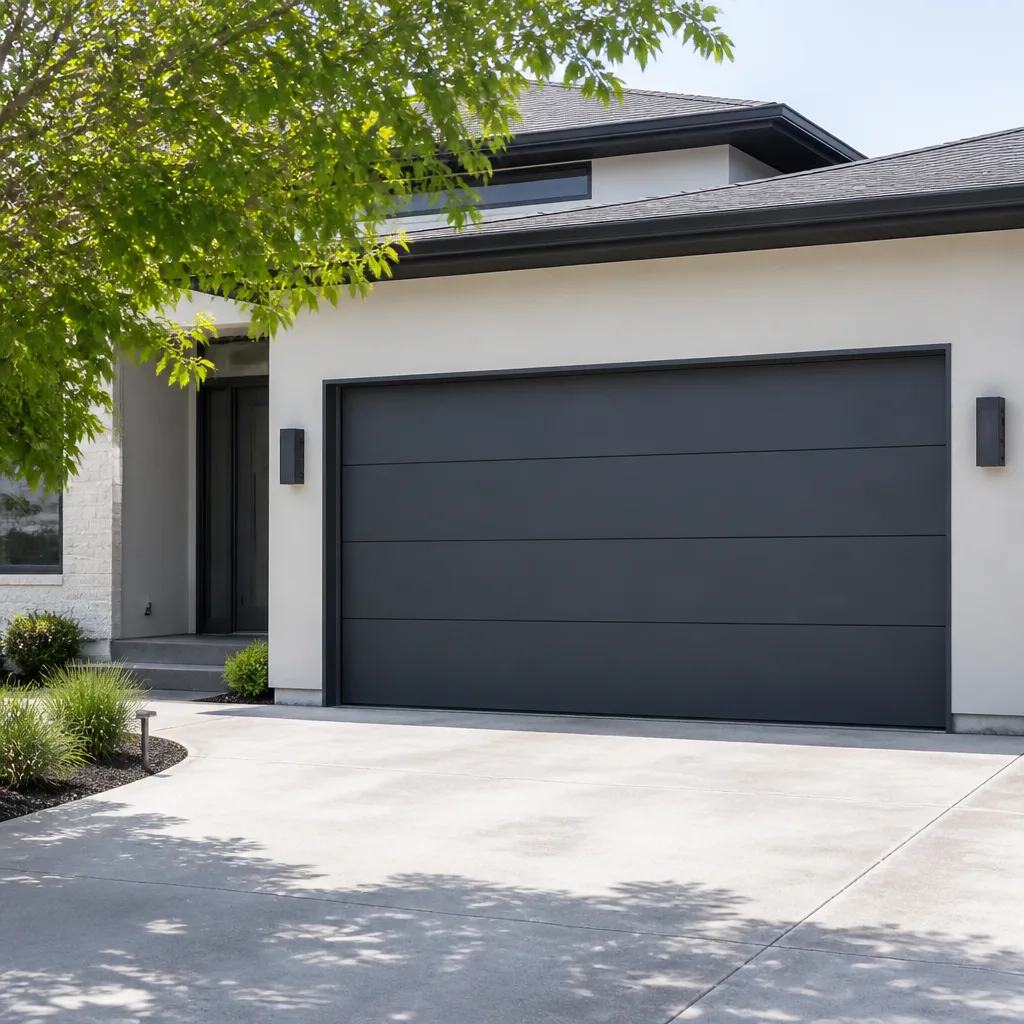 Modern flush
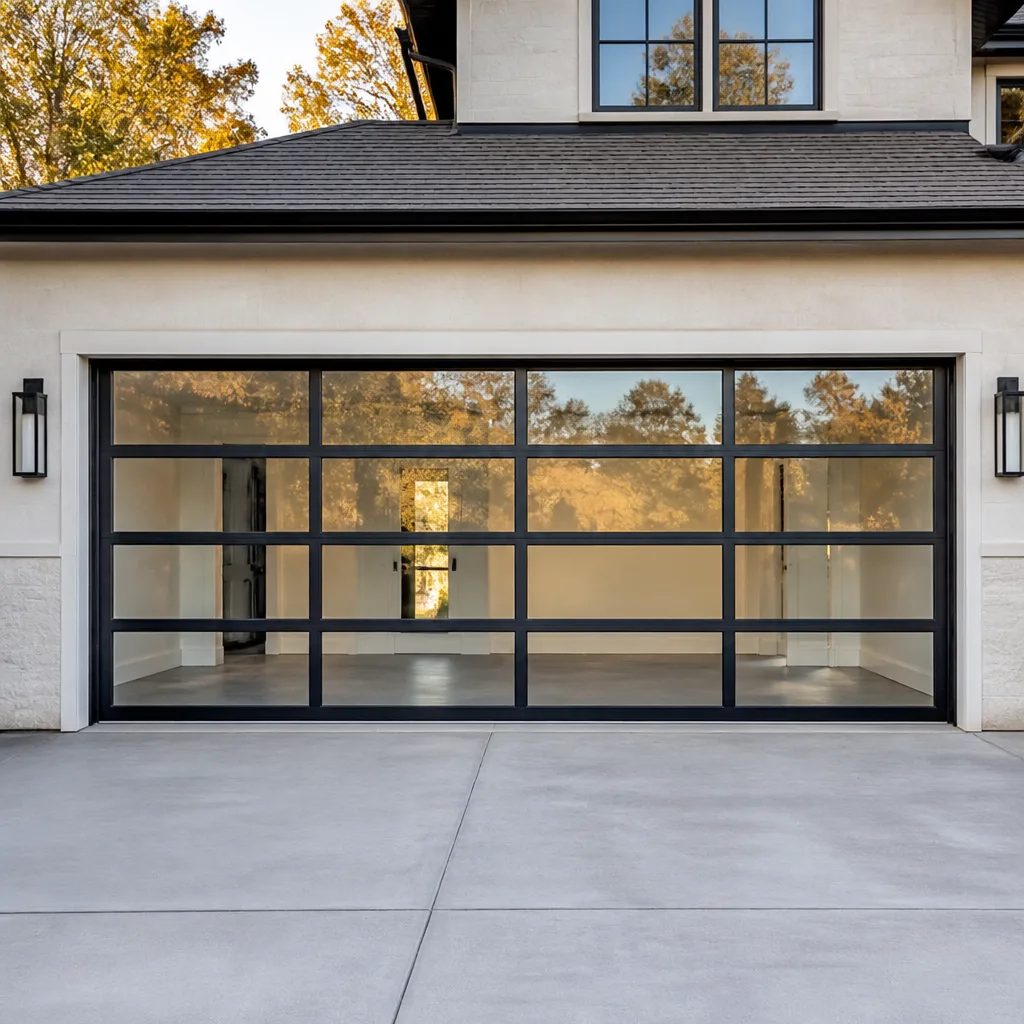 Full-view glass
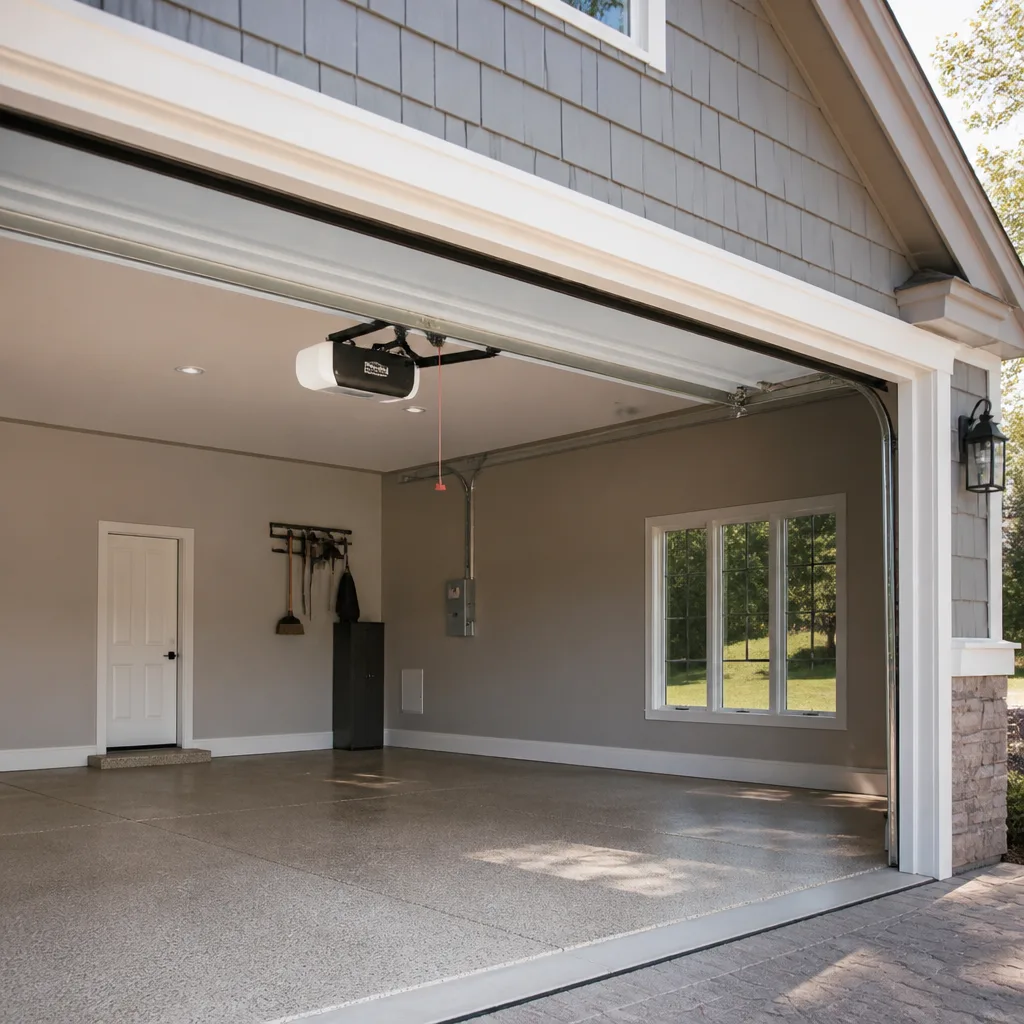 LiftMaster openers
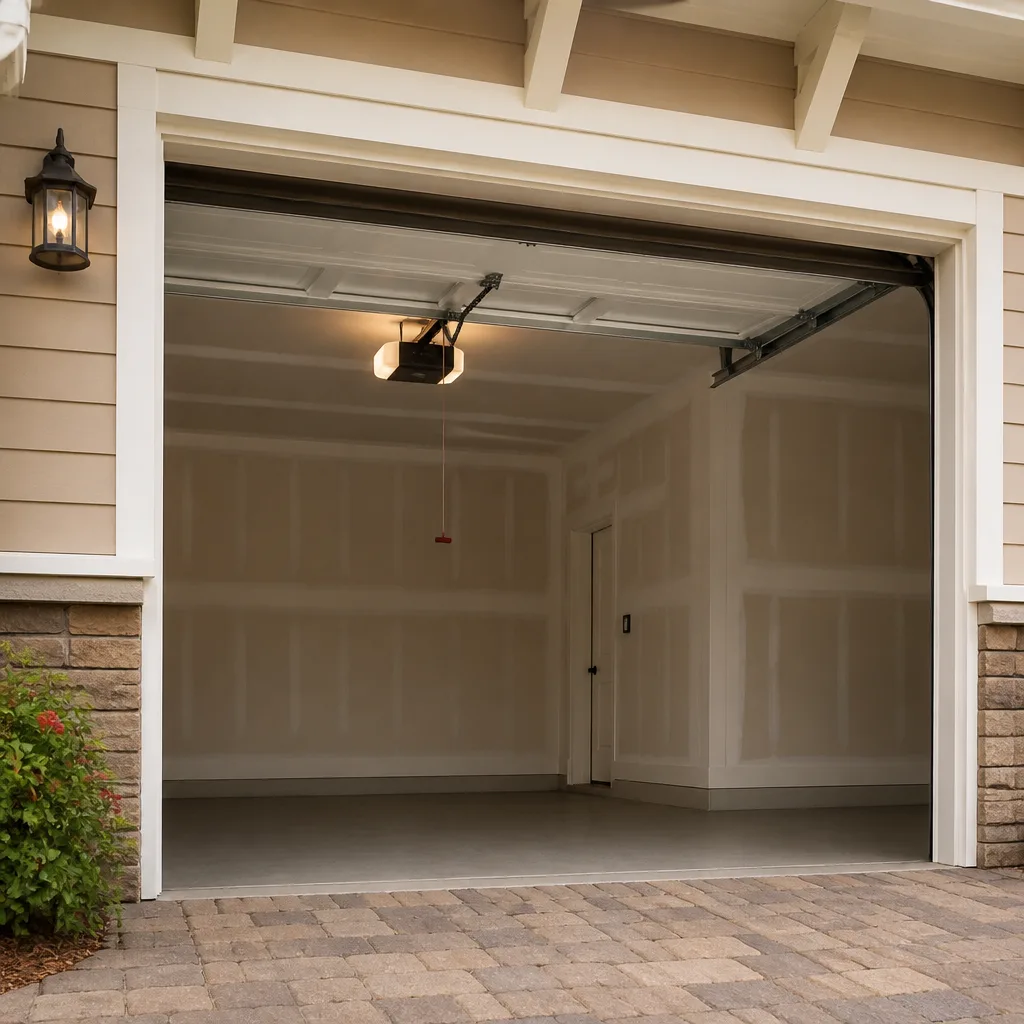 Chamberlain openers
Full 25-point door and opener safety check with every visit - springs, cables, rollers, tracks, and your LiftMaster or Chamberlain opener included
You get a price before we start. It does not change when the pro arrives.
Get your free estimateGarage Door Emergency Preparedness Guide for Longfellow Homes
If your garage door spring breaks at 6am in February in Longfellow and your car is inside, the wrong response can turn a repair into a much bigger bill. Forcing the opener, or pulling the red release cord without understanding how much door weight that spring was carrying, is how a snapped torsion spring becomes a bent door, a stripped opener gear, or an injury. The two calls we get most in this neighborhood are the door that won’t open with a vehicle trapped inside and the door that won’t close when the temperature drops. This guide walks you through the first 15 minutes of each failure, what to check, what not to touch, and what to say when you call so you get a real response time instead of a vague “we’ll take a look.”
Quick Answer
A garage door emergency in Longfellow is manageable if you stop the door, keep people clear of it, and call for a trained technician before you try to force anything. Never force an opener, never pull the emergency release on a door with a broken spring, and never stand under a door that’s off its track. Then call (855) 658-4110. We offer same-day emergency service and free estimates, and we work on the brand you already have.
Styles & brands we work with
- Raised-panel steel
- Carriage house
- Modern flush
- Full-view glass
- LiftMaster openers
- Chamberlain openers
Table of Contents
- What to do when a spring breaks with your car trapped
- What to do when the door comes off its track
- What to do when the opener fails in the cold
- What to do when a cable snaps and the door drops
- How to open the door by hand after disengaging the opener
- How to secure a door that won’t close overnight
- What to tell the technician on the phone
- What to keep in your garage for a minor emergency
What to do when a spring breaks with your car trapped
A broken torsion spring announces itself with a loud bang that sounds like a gunshot, and after that the door will feel incredibly heavy, or may not lift at all. If your vehicle is inside and the door won’t open, your instinct is to force it. Don’t. That spring was holding most of the door’s weight, and without it the door can come down hard or twist an opener arm out of shape. This is the single most common emergency call we take in Longfellow, and it’s also the one where homeowners cause the most secondary damage.
Here’s the sequence to follow:
- Stop pressing the opener. Each attempt strains the opener motor and the door. If the spring is gone, the opener can’t lift the door safely anyway.
- Keep everyone, including pets, out of the garage. A door hanging under tension can shift.
- Do not pull the red emergency release cord. On a door with a failed spring, disengaging the opener removes the only thing holding the door up. It can drop.
- Check whether the door is fully closed or hanging partially open. Tell the technician which.
- Call for emergency service. Give the tech your door type, spring type if you know it, and whether a vehicle is trapped. We can talk you through getting the car out safely in many cases, but that depends on the door.
Springs are not a DIY repair. The torsion system in a standard residential door holds hundreds of pounds of stored energy. A trained technician uses the right winding bars and knows the exact tension for the door’s weight and track. For more detail on how a proper spring replacement is done, our garage door repair page covers the full process. If you need a same-day visit in Longfellow, call (855) 658-4110, and tell the technician whether your vehicle is trapped so we prioritize the response.
What to do when the door comes off its track
A door that’s slipped its track is dangerous in a way people don’t always grasp. It’s a heavy panel balanced on rollers that are no longer in a channel. If it falls, it can break glass, damage a vehicle, or hurt someone underneath. In Longfellow, the freeze and thaw cycle through winter places uneven stress on the rollers, and a wheel that’s already worn can pop out of the track during a normal lift.
What to do:
- Stop the opener immediately. Don’t keep driving the motor. It will push the door further out of line.
- Clear the area under and around the door. Keep kids and pets back.
- Don’t try to push the door back into the track by hand. People do this and get hit when the door finds its own balance. It’s not worth the risk.
- Document the position. Note whether the door is fully open, half open, or leaning. Take a photo on your phone to send the technician.
- Call for a same-day repair. An off-track door needs a technician with the right tools to reset the rollers and check whether the track itself is bent.
An off-track door usually doesn’t just need the roller pushed back in. It needs the cause found: a bent vertical track, a loose bracket, a worn hinge, or a worn hinge coming apart. Our Garage Door Repair Longfellow team checks all of those before putting a door back in service. If the door is also visibly bent across a panel, an emergency stop is the safer choice than any attempt to close it.
What to do when the opener fails in the cold
When an opener stops responding in a Longfellow cold snap, it’s rarely the motor itself. It’s usually one of three things: a frozen or dead photo-eye sensor, a remote with a weak battery, or a logic board that’s hit its limit under a stiff, cold door. Craftsman and LiftMaster units in particular have model-specific behaviors around limits and force settings, and knowing the model number tells us a lot before we arrive. Your opener has a model number. We know what it means.
Work through this in order:
- Check the wall switch. If the wall switch works but the remote doesn’t, it’s a remote or receiver issue, not the motor.
- Check the safety sensors. A sensor with frost, condensation, or a misaligned lens will block the door from closing. Wipe it and see if the indicator light on the sensor is solid.
- Listen for the motor. A hum with no movement can mean a stripped gear or a binding door. Silence often means power or logic board.
- Use the manual release only if the door is balanced. Test by lifting the door slightly by hand. If it feels like it weighs a ton, do not disengage the opener. Go back to the spring section above.
- Call for opener repair. We specialize in garage door opener repair across LiftMaster, Chamberlain, Genie, and Craftsman units, and we can usually tell on the phone whether it’s a five-minute fix or a service call.
If your opener is older and you’ve had repeated failures, the decision between repair and replacement matters. We’ll give you a straight answer, not a sales pitch.
What to do when a cable snaps and the door drops
A snapped cable produces a sharp whip sound, and the door will likely drop or hang lopsided. The cable and the spring are a linked system. A cable under tension can snap and whip, so keep clear of the door’s sides and the corners adjacent to the cable drums. This is not a component to inspect at close range while the door is under any load.
What to do:
- Keep clear of the sides of the door. Stand back and to the center, or out of the garage entirely.
- Don’t operate the opener. One side is unsupported. Running the motor can twist the door and bend it.
- Do not try to reattach a cable or hook it back to the drum. Cables are under extreme tension.
- Look for where the door sits and whether it’s leaning. Note which side.
- Call for emergency service. Cables and springs are replaced together as a system in most cases, and a technician needs to inspect the drum and bracket too.
A snapped cable is one of the cases where we recommend treating the door as immovable until a technician is on site. For a fuller look at the whole range of failures we handle, from a snapped cable to a full new door, our service pages cover each one. In Longfellow, our technicians have up to 13 years of experience with cable and spring systems.
How to open the door by hand after disengaging the opener
Opening a garage door by hand is a valid emergency move, but only if the door is balanced and its springs are intact. That caveat is the whole game. A door with a broken spring, or one with only a single spring that’s lost its partner, will feel dramatically heavier than a working door. Do not disengage the opener on a door with a broken spring to try to lift it. The door can fall on you or come down uncontrolled, and this is exactly how a simple repair becomes a serious injury.
If you’ve confirmed the springs are intact and the door feels balanced, here’s the safe sequence:
- Close the door fully first if it’s currently open. Never disengage the opener with the door in mid-travel.
- Find the emergency release cord. It’s the red handle hanging from the trolley on the opener rail.
- Pull the cord straight down and toward the door. You should hear the trolley click free.
- Lift the door by hand slowly. The door should feel heavy but manageable. If it doesn’t want to lift or is hard to control, stop and call us instead.
- Engage the manual lock or prop if available. Don’t leave the door open and unsupported.
- When you’re ready to re-engage the opener, reconnect with the door fully closed and run the opener once to re-engage the trolley.
If your car is trapped and the door can’t be balanced safely, call first. It’s often faster and cheaper for a technician to make a safe temporary adjustment than for you to improvise. For a broken door that won’t respond at all, our Garage Door Repair Longfellow page has the same-day request details. Emergency calls are part of our core work, not an add-on.
How to secure a door that won’t close overnight
A garage door that won’t close is an open invitation into the house and everything stored inside. But there’s a difference between a door that’s genuinely secured and one that only looks that way. The wrong fix gives you a false sense of security. In Longfellow, a door stuck half open after a late failure or a snapped cable is a common overnight situation, and we’d rather you did one thing that works than three that don’t.
What actually works:
- Lock the entry door from the garage into the house. This is the single most important step. A locked interior door is the real security line. Lock it, and use the deadbolt.
- Use a C-clamp or a pair of locking pliers on the vertical track, just above a roller, on both sides, to keep the door from being lifted from outside. This is a temporary stop, not a fix.
- Park a vehicle directly in front of the door inside the garage as a physical barrier if you can.
- Keep exterior lighting on overnight around the door if you have it. Most break-ins are opportunistic.
What doesn’t work, and gives false security:
- Prop a chair or a piece of furniture against the door. It won’t hold, and it may fall.
- Rely on the opener’s automatic close function if the door won’t travel. It won’t close it.
- Wedge something under the door and leave the house. It signals the door is ajar to anyone who looks.
- Assume a manual lock on the door is enough if the door’s spring or cable has failed. The lock may not engage, or the door may shift.
If the door won’t close because of a mechanical failure, the permanent fix is a repair visit. We offer same-day emergency service, and if you call us the same evening, we’ll tell you honestly what can wait until morning and what shouldn’t.
What to tell the technician on the phone
A useful phone call gets you a real response time and a real price range. A vague “my garage door is broken, when can you come” gets you a vague answer, because the technician genuinely can’t tell you anything specific without a few details. The people who get an accurate estimate on the first call know their door and their openers well enough to describe them. That’s not expertise as a homeowner, just preparation.
Have these ready before you dial (855) 658-4110:
- What the door is doing: won’t open, won’t close, is stuck half-open, came off the track, or is hanging.
- What you heard: a bang (spring), a snap (cable), grinding (gear), humming with no movement (motor), or nothing.
- The door type: sectional (the standard roll-up with panels), one-piece, or side-hinged. Brand if you know it. Clopay, Amarr, Wayne Dalton, and Raynor are common in this part of Longfellow.
- The opener brand and model, if you can see it. On the back of the opener motor housing there’s usually a label. LiftMaster and Chamberlain units have clear model numbers; Craftsman and Genie do too.
- Whether a vehicle is trapped. This changes how we prioritize a call.
- Spring type: torsion (a long bar across the top of the door) or extension (two springs running the width of the door, side to side).
The more of those six you can give us, the faster we can quote you an accurate range and give you a realistic arrival window. Those details are also what let us quote a price before we arrive rather than guessing on site. A written estimate is the final number, and we’ll always confirm the price with you before any work starts. We are licensed as required and work with your insurer when it’s relevant.
What to keep in your garage for a minor emergency
Most “emergency” garage door calls could have been handled as a minor repair if the homeowner had known where to look first. But a garage door’s tension system is genuinely dangerous, and no box of tools makes spring or cable work a homeowner job. What the right kit actually buys you is a fast diagnosis and safe containment until a technician arrives, and a way to keep the door secure in the meantime.
Keep these in the garage:
- A flashlight, with fresh batteries. Garage failures often put you in low light, and a dropped door on a dark night can catch you off guard.
- A pair of locking pliers or a C-clamp. For clamping the vertical track as a temporary stop on a door that won’t close. Never for springs or cables.
- A padlock and a small chain or cable lock. For securing the manual lock above the rollers on one-piece doors, or as a backup when the door won’t close.
- Work gloves. For moving things clear of a door that’s slipping.
- A phone that’s charged, or a charger in the garage, so you can call and take photos without searching for it.
- A way to note your openers and door brands. Write the model numbers on a card and stick it to the wall next to the opener. It saves you a scramble on the phone.
What not to keep in the garage and expect to work as an emergency tool: WD-40 won’t fix a broken spring, and adding lubricant to a failing torsion system can hide the failure without fixing it. If your spring has snapped, the repair is a spring replacement by a technician with the right tooling.
For a new door or a full replacement rather than a repair, that work is scheduled rather than same-day. Our garage door installation page covers how a measured install actually works. Installation is a measured, ordered, scheduled process, and we’ll give you a free measure and a written price rather than a rushed response.
Common Mistakes to Avoid
- Forcing the opener when the spring is broken. It strips gears and bends the door. Every press strains a motor that can’t lift what the spring can no longer hold.
- Pulling the red release cord on a door with a failed spring. This removes the last thing holding the door up. It can come down on you or a vehicle.
- Standing under an off-track door to push it back into place. An off-track door is a heavy unbalanced weight. Leave it to a technician with the right tools.
- Assuming a chair against the door secures it overnight. It doesn’t. Lock the interior door and clamp the track instead, or park a car against it inside. In Longfellow, a door ajar on a winter night is a real risk, not just an inconvenience.
- Calling with no details about the door or opener. A model number puts an accurate estimate and response time within reach. Without it, the technician is guessing, and so are you.
- Letting a small track or hinge issue sit until it becomes a bigger emergency. A worn roller that pops out in a freeze is easier to fix before the cold hits. A check in fall prevents the February call.
- Trying DIY spring or cable replacement. These are the components trained techs approach with heavy tools and a specific procedure. The torsion system stores enough energy to cause serious injury.
See the difference
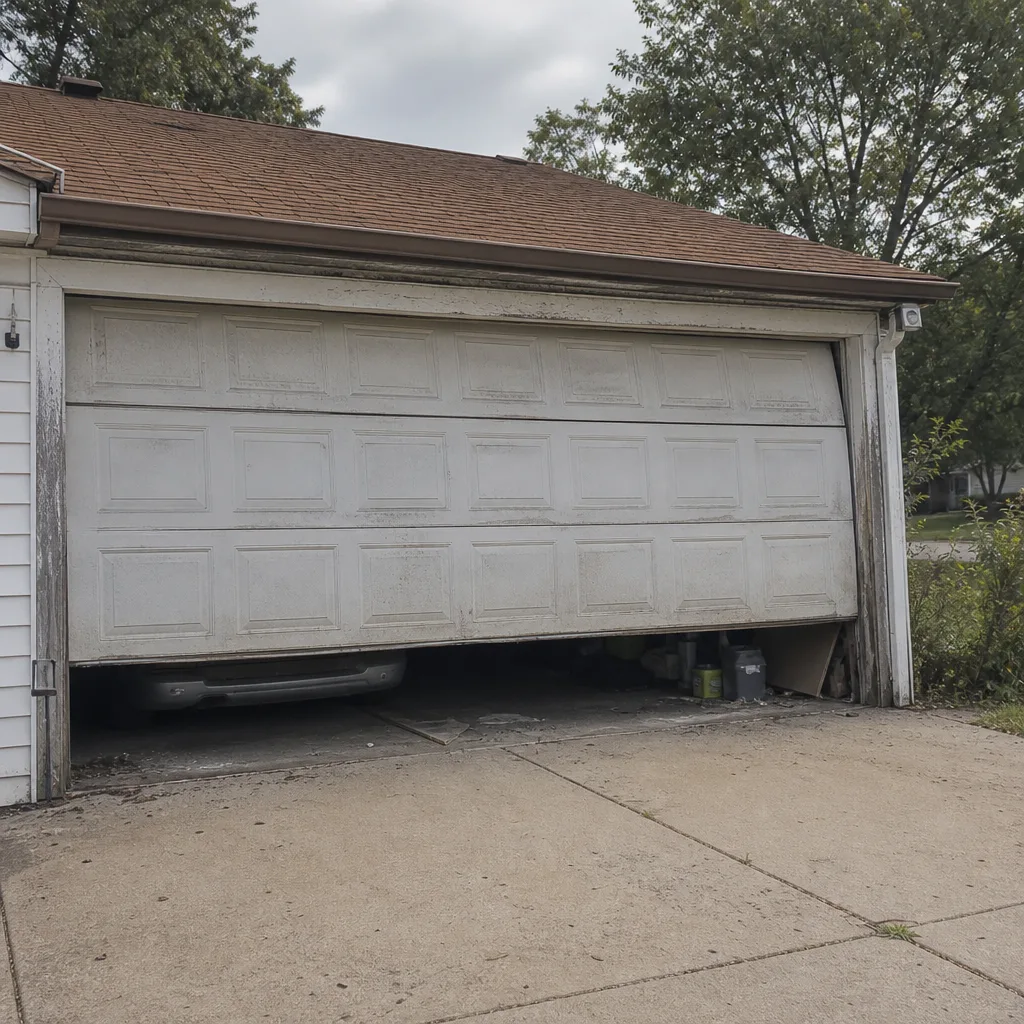 Before
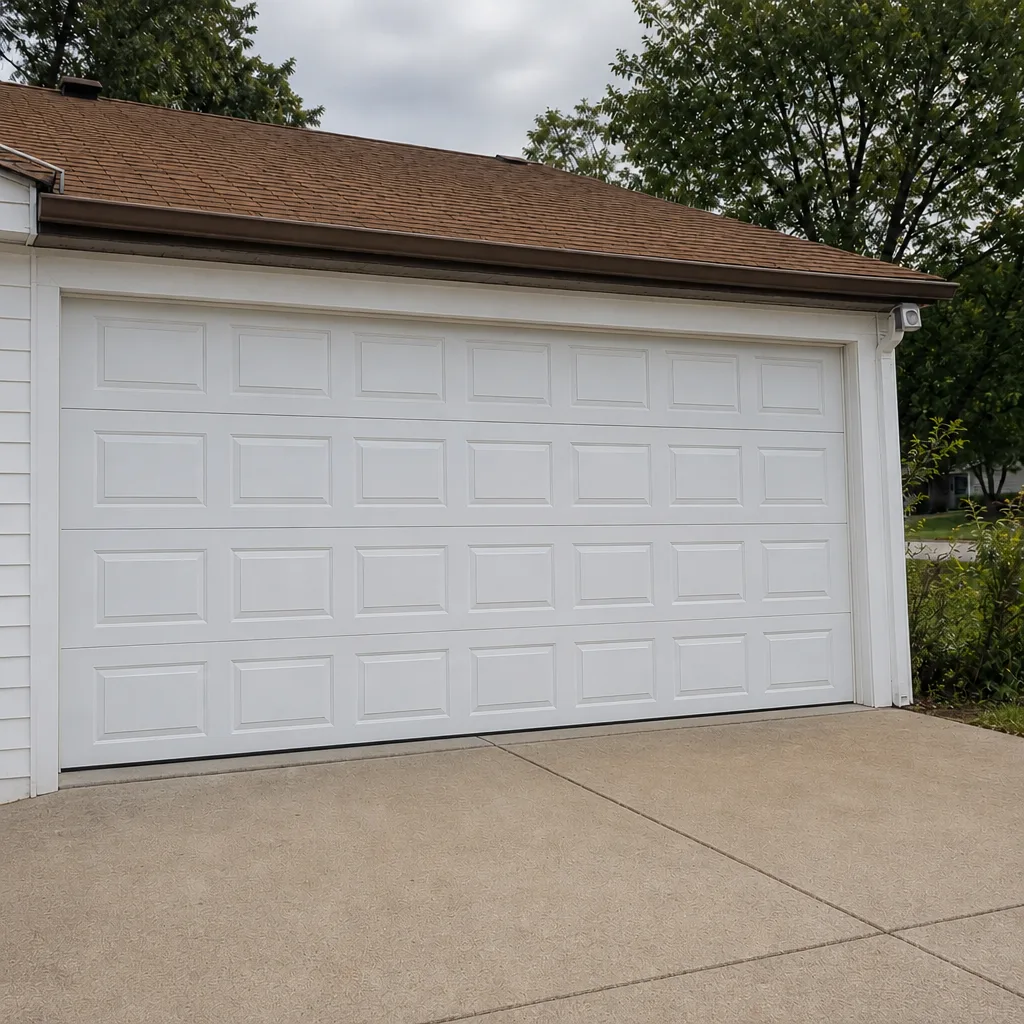 After
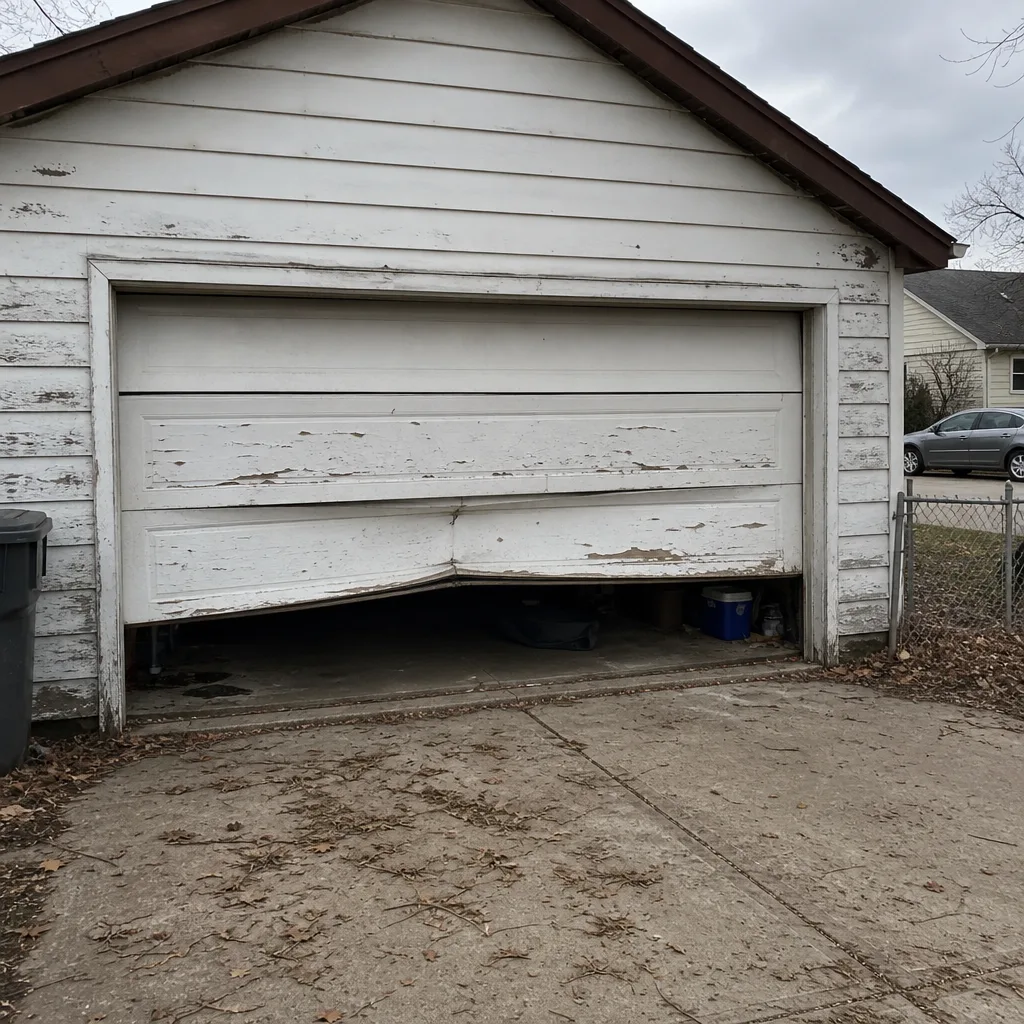 Before
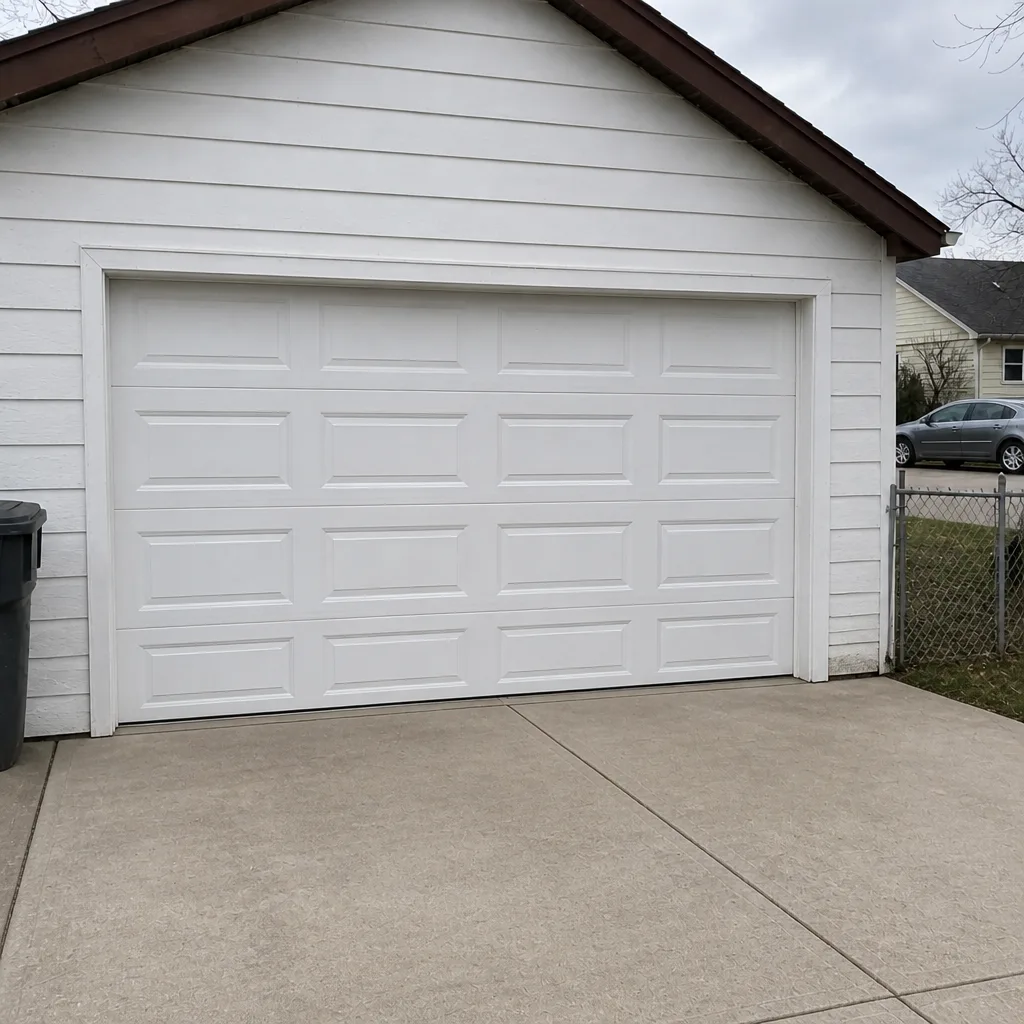 After
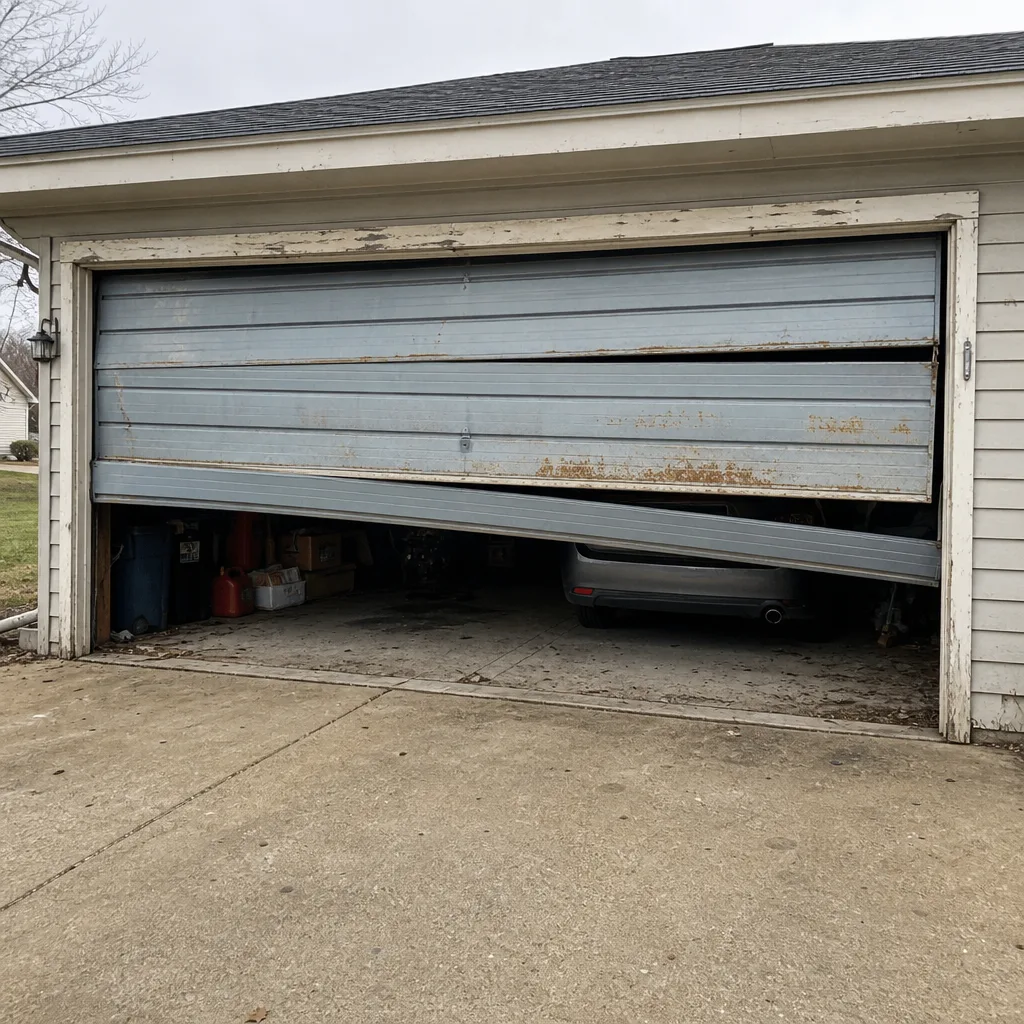 Before
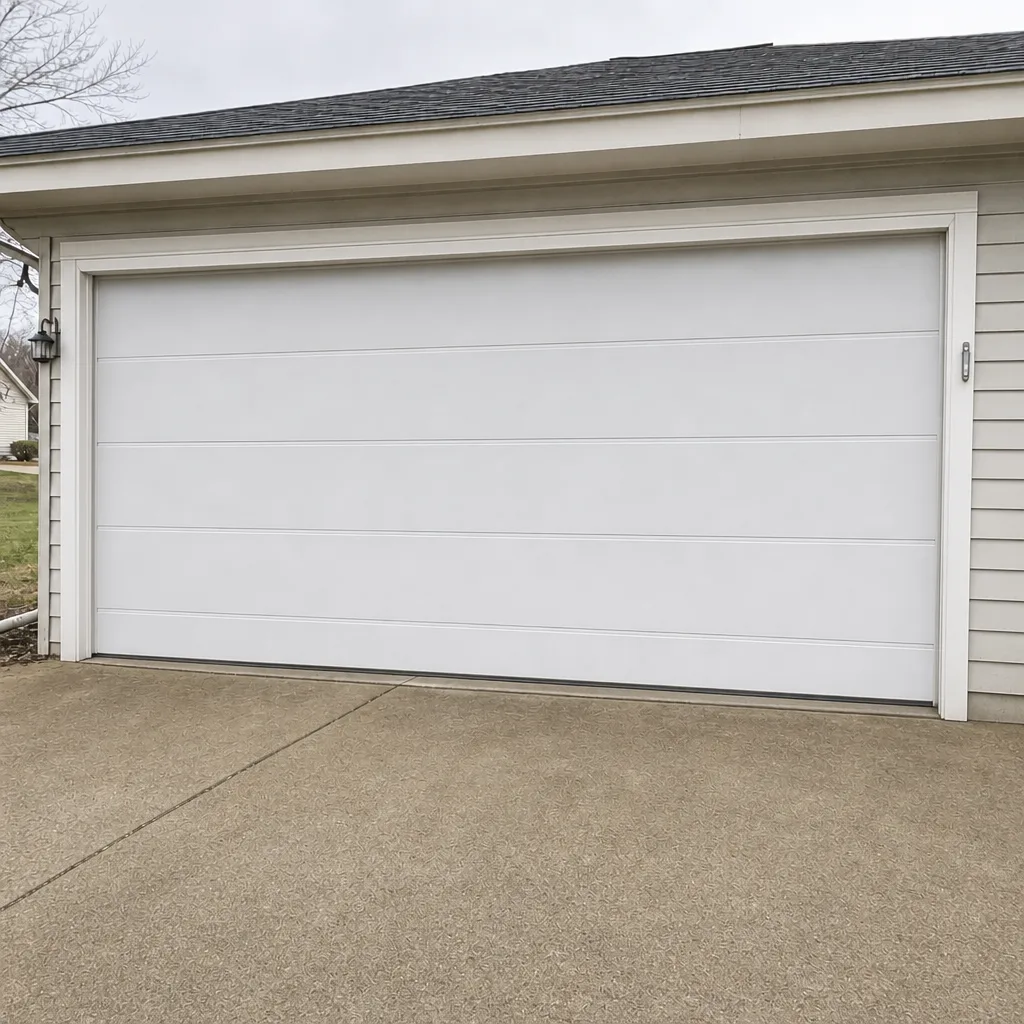 After
When to Call a Professional
Call a professional when the door won’t open or won’t close, when you’ve heard a bang or a snap, when the door has come off its track, or when you can’t safely secure it overnight. Also call when the opener hums but doesn’t move, or the door feels far heavier than usual. Springs, cables, and torsion systems are trained-professional jobs, and getting someone out fast is cheaper than the damage forced repair causes. Garage Door Repair Longfellow offers free estimates in Longfellow, same-day emergency service for time-sensitive failures, and technicians who know the brand you already have. From a snapped cable to a full new door, we handle the whole scope under one company. Call (855) 658-4110 for a free estimate and a written price before any work starts. Our technicians have up to 13 years of experience.
Frequently Asked Questions
Stop using the opener, keep everyone clear of the door, and call for emergency service. Do not pull the red release cord on a door with a broken spring. A snapped torsion spring means the door has lost the weight support it needs, so the safest move is a trained technician who can make the door safe or get your vehicle out without forcing it. Call (855) 658-4110 for a fast response and a free estimate.
No, not safely. A door with a broken spring is extremely heavy and can drop uncontrolled when the opener is disengaged. Manual operation is only safe when the springs are intact and the door is balanced. If you’re unsure, call us and we’ll talk you through whether it’s safe to attempt.
Lock the door from the garage into the house, clamp the vertical track above a roller on both sides with locking pliers or a C-clamp, and park a vehicle against the door inside if you can. A chair or furniture won’t hold. Then book a repair, because the door needs a permanent fix. (855) 658-4110 has same-day emergency service, and you should call us in the evening if you need to.
Cold usually affects the safety sensors, the remote battery, or a logic board under strain, not the motor itself. Check the wall switch and the sensor lights first. LiftMaster, Chamberlain, Genie, and Craftsman units each behave a little differently, and we can often tell from the model number whether it’s a quick fix or a service call.
Your written estimate sets the final price. We confirm the price with you before any work starts, and we don’t begin a job until you’ve agreed to the number. That’s true for emergency calls and for scheduled work. Call (855) 658-4110 for an exact quote – estimates are free.
The local pro is licensed as their state requires and carries their own insurance and bonding. We’re factory-familiar with eight of the most common residential door and opener brands: LiftMaster, Chamberlain, Genie, Clopay, Amarr, Wayne Dalton, Craftsman, and Raynor. That means the technician knows the quirks of what’s in your garage before arriving. Call (855) 658-4110 if you’d like us to confirm we work with your brand.
The Bottom Line
Two scenarios cause most garage door emergencies in Longfellow: the door won’t open with your car trapped inside, and the door won’t close when the cold hits. In both cases the wrong move in the first 15 minutes costs far more than the right one. Stop the opener, keep clear of the door, secure the entry from the house, and call for a trained technician. Keep a flashlight, a C-clamp, a padlock, and your door and opener model numbers on hand. A written estimate sets the price, and we confirm it before any work starts. When something goes wrong, call Garage Door Repair Longfellow at (855) 658-4110 for a free estimate.
Written by the team at Garage Door Repair Longfellow.