Last updated November 21, 2026
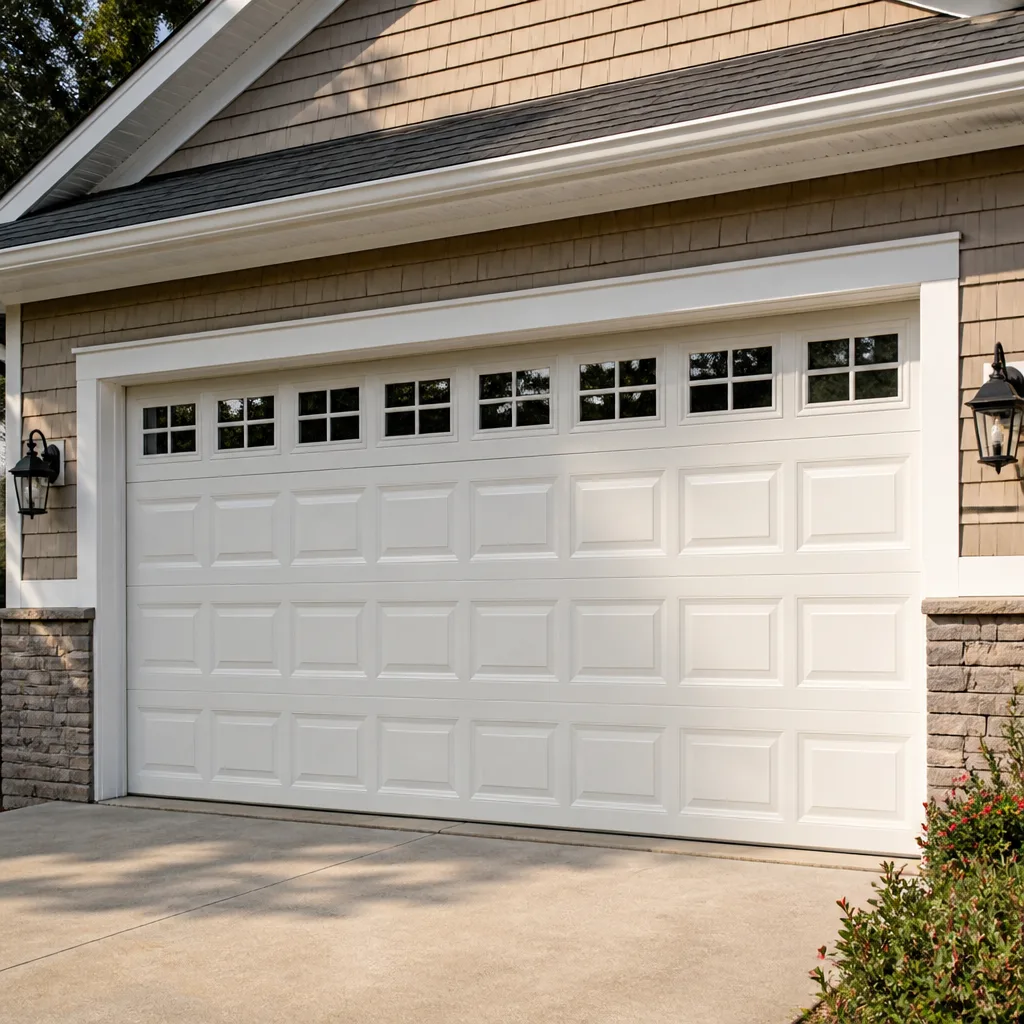 Raised-panel steel
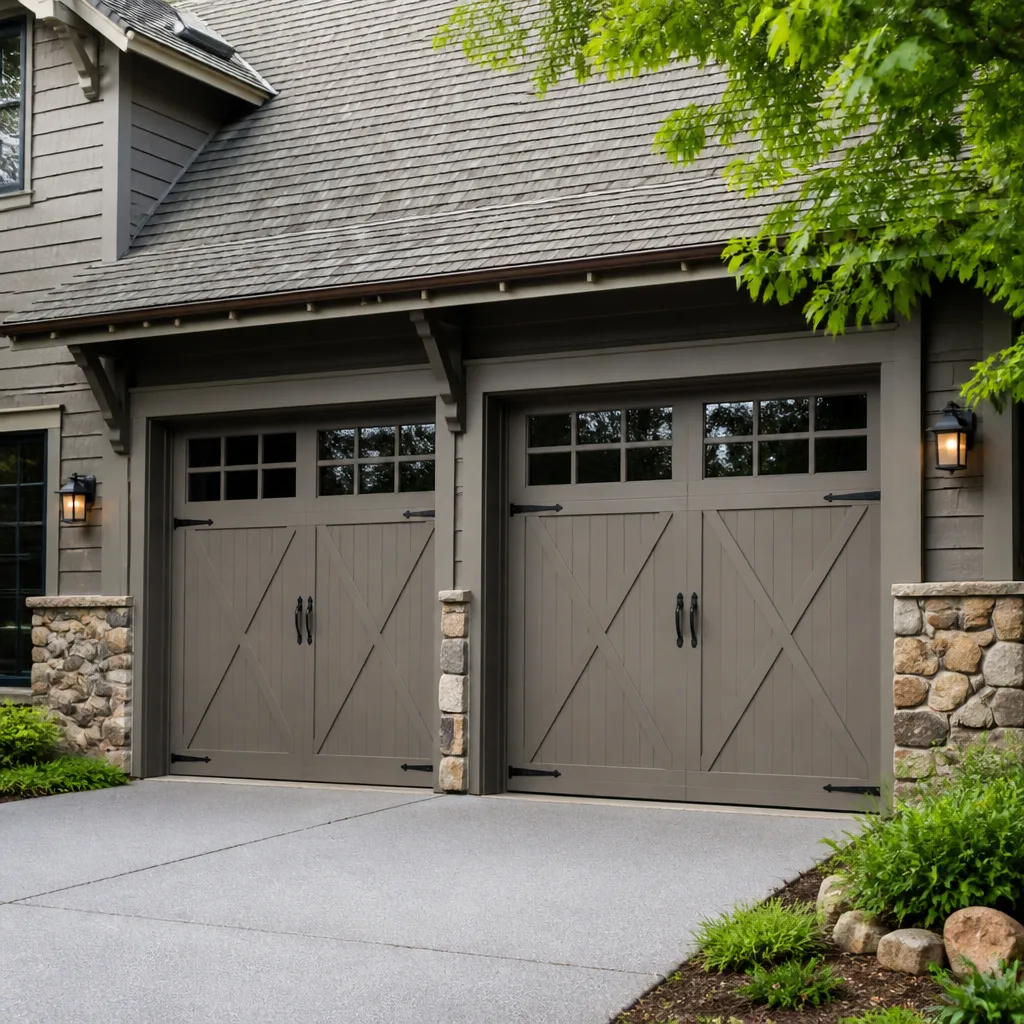 Carriage house
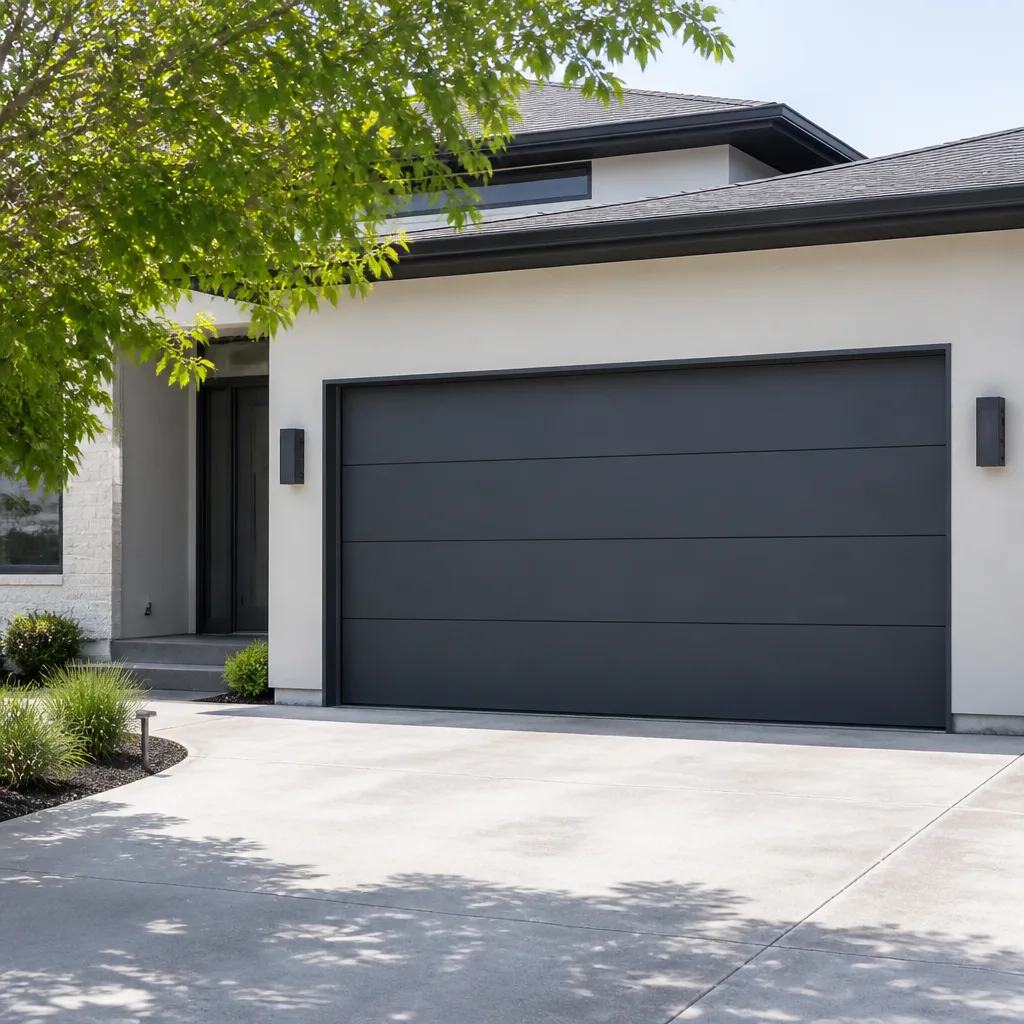 Modern flush
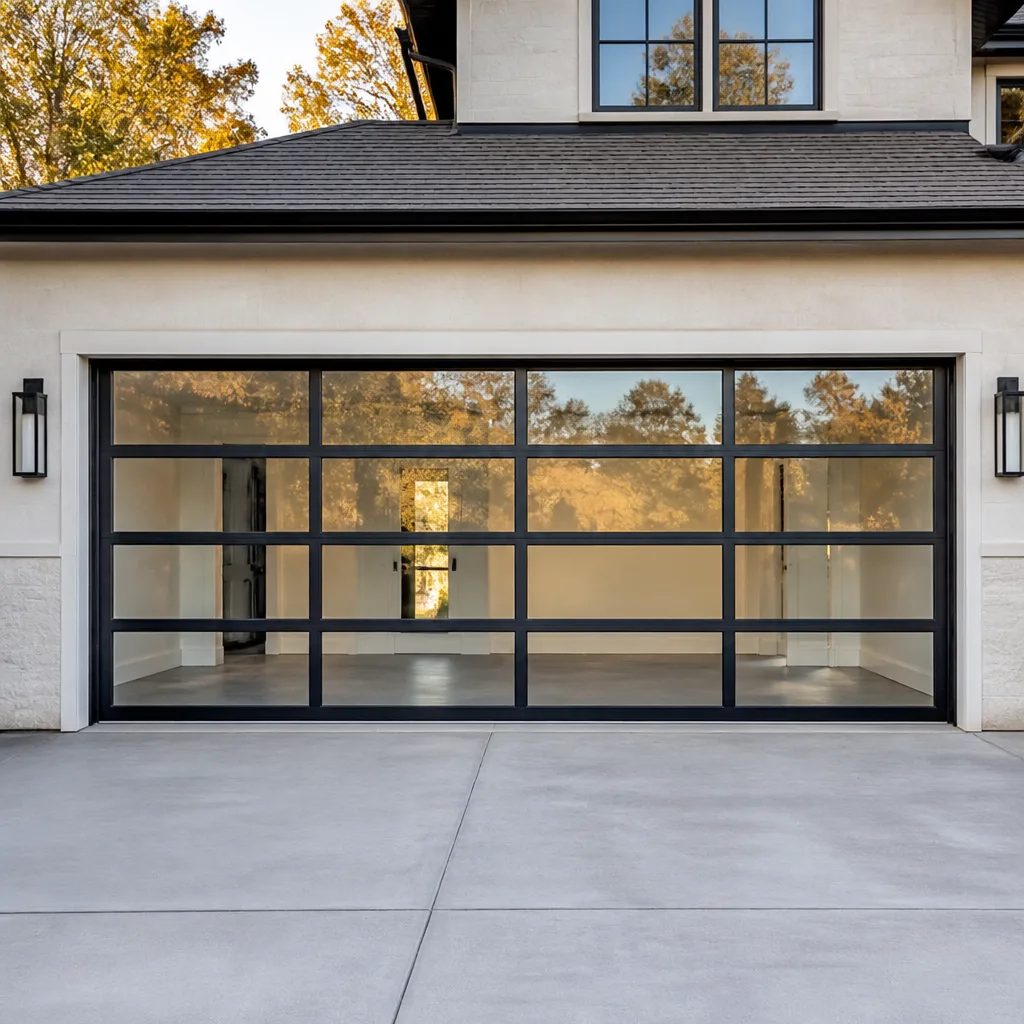 Full-view glass
 LiftMaster openers
 Chamberlain openers
Full 25-point door and opener safety check with every visit - springs, cables, rollers, tracks, and your LiftMaster or Chamberlain opener included
You get a price before we start. It does not change when the pro arrives.
Get your free estimateGarage Door Warning Signs: A Longfellow Homeowner’s Reference Guide
Most garage door warning signs get written about in vague terms. “Unusual noise.” “Slow operation.” “The door feels off.” That’s useless when you’re standing in your driveway in Longfellow trying to decide whether something is dangerous or just annoying. Here’s the truth: a garage door that hesitates for two seconds before closing is often dismissed as an opener quirk, but that two-second hesitation is one of the most reliable early indicators of a cable starting to fray on one side. This guide translates specific sounds, behaviors, and visual symptoms into probable causes and honest urgency levels, so you can tell the difference between “watch this” and “stop using the door now.”
Quick Answer
The warning signs that matter most are: a door that hesitates or jerks during its cycle (failing cable or spring), a loud pop followed by the door refusing to lift (broken torsion spring), and any grinding, scraping, or uneven movement that gets worse each time you use it. Three signs mean stop using the door immediately: a snapped spring, a visibly frayed or hanging cable, and a door that comes down unevenly or slams shut. Everything else can usually wait for a scheduled repair, but it should be looked at.
Styles & brands we work with
- Raised-panel steel
- Carriage house
- Modern flush
- Full-view glass
- LiftMaster openers
- Chamberlain openers
Table of Contents
- Symptom-to-Cause Reference Table
- What the Specific Sounds Mean
- Visual Warning Signs Ranked by Urgency
- Opener-Side vs. Hardware-Side: How to Tell Without Tools
- Brand-Specific Warning Patterns
- The Three Signs That Mean Stop Using the Door Now
- What You Can Check Yourself (and What You Shouldn’t)
- Longfellow Homeowner Context: Climate, Housing, and Seasonal Patterns
Symptom-to-Cause Reference Table
This table maps the most common symptoms to the components most likely producing them. It’s organized by mechanism, so you can match what you’re experiencing to what’s actually happening inside the door system. Read it with your door in mind, not in the abstract. If more than one row describes what you’re seeing, that’s a signal the problem is compounded and worth a professional look.
| Symptom | Most Likely Cause | Urgency |
|---|---|---|
| Loud pop, then door won’t lift | Broken torsion spring (one of a pair, usually) | Stop using immediately |
| Grinding sound throughout travel | Worn rollers, dry or misaligned track, failing bearing plate | Schedule repair this week |
| Popping or snapping near the top | Cable starting to slip off the drum, or spring beginning to fail | Stop using immediately |
| Scraping along one side of the door | Bent track or a roller pulled out of the track | Schedule repair this week |
| Clicking when the opener engages | Opener gear or logic board fault, or stripped drive gear | Watch for a few cycles; call if it repeats |
| Door hesitates or jerks mid-cycle | Fraying cable on one side, or uneven spring tension | Stop using immediately |
| Door reverses before closing fully | Sensor misalignment, track obstruction, or safety-reverse setting | Often a simple fix; call if it persists |
| Door comes down unevenly or slams | Failed spring or cable, or worn hinge | Stop using immediately |
| Squealing or high-pitched whine | Dry torsion tube, worn nylon rollers, opener motor bearing | Schedule repair |
| Remote works intermittently | Remote battery, opener antenna, or logic board | Watch; call if it gets worse |
In our experience across Longfellow and the surrounding neighborhoods, the rows that catch homeowners off guard are the hesitation and the popping. Both are early-stage failures that often get written off as quirks until they turn into full breaks. A popping sound that repeats over several days is almost always the spring telling you it’s on its way out. It doesn’t get better on its own.
What the Specific Sounds Mean
Sound is the earliest diagnostic tool you have. A garage door makes a distinct sound when it’s healthy: a smooth, consistent hum from the opener and a soft roll along the track. Anything that breaks that pattern is worth translating into a mechanism.
Grinding
Grinding that stays consistent throughout the door’s travel points to the rollers and track, not the opener. Worn steel rollers on a dry track produce a metallic scrape. So do nylon rollers that have cracked or lost their bearing. If the grinding happens only at the top of the cycle, the bearing plate at the torsion tube is the more likely culprit. Grinding that appears suddenly and gets louder over a few cycles suggests a roller has come out of the track and is dragging along the rail.
Popping or snapping
A single loud pop followed by the door becoming very hard to lift by hand (or not lifting at all) is the classic broken torsion spring. If the popping is a series of smaller snaps over the course of a cycle, the spring hasn’t broken yet but the tension has shifted, and one side of the door is doing more work than the other. Either pattern is a stop-using-it sound.
Scraping
Scraping usually comes from a bent track or a door panel that has shifted. On older Longfellow homes with original wood-frame garages, the track can drift out of plumb over many seasons, and a door that was perfectly aligned five years ago may now be scraping by millimeters. This isn’t usually dangerous, but it will eventually wear the panel edge and can lead to the door binding.
Clicking
Clicking is almost always opener-side. On a LiftMaster or Chamberlain unit, a repeating click at the start of the cycle often points to a stripped drive gear in the motor housing, or a logic board relay that’s failing. A single click at the end of travel is usually the travel limit switch, which may just need adjustment. Clicking that gets more frequent over weeks is a repair, not an adjustment.
Squealing or high-pitched whine
Squealing comes from friction. Dry torsion tubes, worn nylon rollers, or a bearing in the opener motor all produce it. On Craftsman units especially, a failing motor bearing can produce a high whine in the moment the opener engages and then quiet down. That’s a sign the motor is working harder than it should be.
When you’re hearing more than one of these sounds at once, the underlying issue is usually the springs or the cables, and the sounds are secondary effects. If you can’t tell which sound is dominant, it’s worth a garage door repair call to get a straightforward diagnosis.
Visual Warning Signs Ranked by Urgency
Visual signs are easier to check than sounds, but they’re harder to rank. Here’s how we’d order them, from “watch it” at the top to “stop using the door now” at the bottom.
Watch for a month
- Slight rust on hinges or rollers. Cosmetic for now, but it accelerates wear on the pivot point. A light lubricant and a look at the rollers is all that’s needed initially.
- One hinge looks slightly looser than its neighbors. Common on older door panels. Worth watching, not urgent.
- Weatherstripping at the bottom is cracked or pulling away. Doesn’t affect safety, but it lets water and cold air in, and in Longfellow’s colder months that gap becomes an ice concern at the base of the door.
- A single spot of grease at the base of a roller. Could be minor, could be a bearing starting to fail. Watch it.
Schedule repair in the next week
- One or more rollers with a flattened or chipped edge. Rollers are cheap to replace individually and expensive to ignore; a chipped roller will eventually damage the track.
- A visible bend in one track section. Not dangerous, but the door will fight the track and put tension on the opposite side.
- Door panels that don’t line up horizontally. Usually one hinge pulling loose, but the misalignment needs to be corrected before it stresses the springs.
Call today, before the next cycle
- A visible gap in the spring’s coils. If you look at the torsion spring above the door and see a clear separation in the coil, one spring in the pair has broken. Even if the door still operates, the remaining spring is carrying double the load and will fail soon.
- A cable that looks frayed, hangs loose, or is off the drum. Cables carry thousands of pounds of tension. A frayed cable means the strands are already failing.
- Any panel that has visibly pulled away from a hinge or bracket. That’s a structural compromise, not cosmetic.
A note on Longfellow’s older housing stock: garages attached to homes built in the mid-twentieth century or earlier often have doors and hardware that were installed years ago and have been repaired piecemeal. Visual signs show up faster on those doors because the wear is cumulative. Fresh hardware on a newer door usually shows a problem as a one-off; older hardware on a Longfellow garage often shows it as a pattern. Take the pattern more seriously than the one-off.
Opener-Side vs. Hardware-Side: How to Tell Without Tools
Before you call anyone, you can narrow down whether you’re looking at an opener problem or a door hardware problem by observing how the door moves with the opener disengaged. This is a hands-on check you can do without tools, and it will make the diagnosis faster for us, too.
- Pull the red release handle on the opener arm. This disconnects the door from the opener’s rail. The door should move by hand, up and down, with steady, reasonable resistance.
- Lift the door to about halfway and let go. A healthy door will balance there, held by the springs. If it drops, sags to one side, or slams down, the springs or cables are failing on the hardware side.
- Push the door back down slowly. If it binds, scrapes, or hesitates at any point, you have a track, roller, or hinge problem. That’s hardware, not the opener.
- If the door moves smoothly by hand, but the opener does not move it reliably, the problem is opener-side. That means motor, logic board, drive gear, remote, or sensor.
- Reconnect the opener and run one cycle. If the door now moves smoothly but the opener still struggles, the opener motor is underpowered or failing. If the door now seeks unevenly, the opener may be working against a hardware issue.
Two cautions on this check. First, if the door is visibly broken (spring gap, hanging cable, uneven panels), don’t run the check at all. Reconnecting or cycling a broken door can cause further damage and injury. Second, don’t ever try to lift the door by hand without first disengaging the opener; a driven motor fighting a manual lift can snap the arm. If any part of the check feels wrong, stop and call.
If the diagnosis comes back opener-side, our garage door opener repair covers the motors, logic boards, remotes, and safety sensors for the four most common residential opener brands. A stuck door ruled as hardware-side is usually a spring or cable job, and those are almost never an adjustment.
Brand-Specific Warning Patterns
The reason brand-specific knowledge matters isn’t brand loyalty; it’s that the failure modes differ. A failing motor on one brand produces a different sound than a failing logic board on another, and the repair that fixes one won’t fix the other.
LiftMaster: motor sound changes before the door stops moving
LiftMaster openers usually give a warning before they quit. The most common pattern in Longfellow homes is a change in motor pitch: the opener that used to hum now has a rougher, lower undertone in the first second of every cycle, then smooths out. That’s typically the motor bearing or the drive gear beginning to wear. Because the unit still opens the door, homeowners often ride it out. In our experience, a LiftMaster in that pattern has a predictable failure window. Catching it earlier usually means a motor-side repair instead of a full replacement.
Chamberlain: logic-board patterns and erratic remotes
Chamberlain units have a different signature. A failing logic board on a Chamberlain often manifests as the door working fine on the wall button but refusing to respond to remotes, or the safety sensors blinking and the door reversing at random. The motor may sound completely normal. Because the door still moves, it doesn’t read as an emergency, but the erratic behavior is a genuine safety concern because the safety-reverse feature is compromised. A Chamberlain logic board failure that intermittently reverses the door is a same-day repair, not a watch-it situation.
Craftsman and Raynor: older hardware with its own rhythm
Craftsman openers show age through the remote frequency: the remote that used to work from the end of the driveway now only works from ten feet away. That’s usually the receiver’s sensitivity declining, not the remote battery. Raynor doors, common in Longfellow on mid-century homes with original hardware, often develop loose hinge plates that give a small “tick” at each hinge during the cycle. That’s a hinge-and-bracket inspection, not a spring or opener job, and it’s worth catching before the hinge pulls out of the panel.
We work on the brand you already have, and the technicians who arrive are well-versed in all eight of our covered brands, so the diagnosis starts from what’s actually in your garage rather than from a general script. If you’re not sure what you have, the model number on the opener label is enough to book a diagnostic.
The Three Signs That Mean Stop Using the Door Now
Most garage door warning signs can wait for a scheduled repair. Three cannot. These are framed in mechanical terms, because the reason they’re urgent is what’s happening to the components, not the liability.
- A broken torsion spring. The spring carries the full weight of the door. When one spring in a pair breaks, the other is suddenly carrying twice the load and is under more stress than it was designed for. If you continue to run the opener, you’re asking the motor to lift the door without the counterbalance it needs, and the remaining spring can fail mid-cycle. The door can come down hard. Stop using the door and call for spring repair.
- A frayed or displaced cable. The cables run under high tension from the drums to the bottom brackets. A frayed cable has already lost a portion of its load-bearing strands. If it parts, it can whip violently and the door can drop. This is a genuine injury risk, not a theoretical one. Don’t touch or attempt to reseat the cable.
- Any door that falls unevenly or drops when released by hand. This means the door is not balanced, and the springs are not holding it. Even if the door “works” when the opener pulls it, the door is being driven against gravity with no counterbalance. That’s an immediate stop-using-it condition.
In each of these cases, the right move is to disengage the opener, leave the door in the position it’s in or closed, and call. Do not attempt to lift, prop, or reseat any of these components yourself. Springs and cables are not a DIY repair, and the risk of serious injury is real. Our Garage Door Repair Longfellow emergency service is designed for exactly this scenario: stuck open, stuck closed, or structurally compromised.
What You Can Check Yourself (and What You Shouldn’t)
There’s a small set of checks a homeowner can safely do, and a much longer set that needs a trained technician. Here’s the honest split.
Safe to check yourself
- Visual inspection of panels, hinges, and brackets. A look at each panel from the floor, checking for gaps, pulling, or bent hardware. No tools needed.
- Test the safety reverse. With the door open, place a small object across the sensor path (or use the sensor’s own test button if it has one) and press the close button. The door should reverse. If it doesn’t, the safety feature is compromised.
- Listen for sounds you didn’t hear last month. A monthly listen is the cheapest diagnostic there is.
- Check the weatherstripping and bottom seal. A visual and hand check at the threshold.
- Look at the spring from the floor. If you can see a gap in the coils, you have your answer without touching anything.
Don’t attempt yourself
- Any adjustment or removal of the springs or cables. These carry dangerous tension. They require specialized tools and training, and a slip can mean serious injury. This is not a general handyman job.
- Lubricating the torsion tube and spring. Lubrication is safe in principle if you know what to use and where, but many homeowners apply the wrong product to the wrong part and accelerate wear.
- Resetting the track after a bend. Track adjustment sounds simple but a miscalibrated track will wear the rollers and the door panel.
- Reconnecting or working on the opener arm. The arm is under load and can snap free if the opener cycles unexpectedly.
For what you can check, do it monthly. For what you can’t, don’t try to split the difference. When it’s time for a new door rather than a repair, garage door installation is where that conversation goes, and it’s worth having a technician check whether a repair is really the right call before you commit to one path or the other.
Longfellow Homeowner Context: Climate, Housing, and Seasonal Patterns
Longfellow’s winters are the biggest single factor in how garage door wear shows up here. The freeze-thaw patterns that define a Minnesota winter put more mechanical stress on a garage door than most other climates, because the door is running in cold cycles more often and the metal components are contracting and expanding with temperature swings. Springs that would last for years in a mild climate can show fatigue sooner, and cables can stiffen and slip on the drums in the coldest weeks. Rollers take more punishment, and the track can drift.
The other Longfellow-specific factor is the housing stock. A lot of the neighborhood’s garages were built to the standards of their era, often attached to homes that have since been updated but with the original garage door hardware still in place. That means the door and its components carry more accumulated wear cycles than a newer door in a newer development. Warning signs show up faster on these older systems, and they deserve to be taken at face value.
The practical upshot is that a Longfellow homeowner should schedule any repair sooner rather than later as the seasons turn. A sound or hesitation in October that might be watchable in a warmer climate is more likely to fail in January, when the cold is loading the components harder. If you notice a change in late fall, get it looked at before the first sustained freeze rather than after.
Common Mistakes to Avoid
- Writing off a hesitation as “just how this door is.” A door that hesitates for two seconds before closing is not a personality trait; it’s telling you a cable is starting to fray. Homeowners who dismiss it often end up with a snap instead of a repair, and the repair is faster and cheaper.
- Running the door after a spring pops “to see if it still works.” It will not work consistently, and running it with one broken spring loads the remaining spring and the opener motor. Every cycle after the pop makes the situation worse. Stop, and call.
- Using a general handyman for spring work. Springs are a precision job, and a handyman who hasn’t been specifically trained on torsion spring calibration can set the door dangerously out of balance even if the door “works.” This is one of the highest-risk jobs in garage door work, and it’s worth the specialist.
- Assuming a noisy opener needs to be replaced. A LiftMaster that grinds on every cycle often needs a gear, not a whole unit. Replacing the opener before diagnosing the mechanism wastes money. Get the diagnosis first.
- Adjusting the track by hand after a bend. It looks like a simple fix, but if you don’t have a reference for plumb, you can set the door out of line and accelerate roller wear. A visual check is safe; adjustment is not.
- Ignoring a remote that works only when you’re close. A Craftsman or Chamberlain remote that used to work from thirty feet and now works from ten is telling you something about the receiver sensitivity. Catching it early often means a receiver adjustment instead of a logic board replacement.
- Booking installation without a hardware inspection first. Sometimes the right answer is a new door, and sometimes it’s a spring and a roller set. Getting a diagnosis before committing to a replacement is the cheaper path more often than homeowners expect.
See the difference
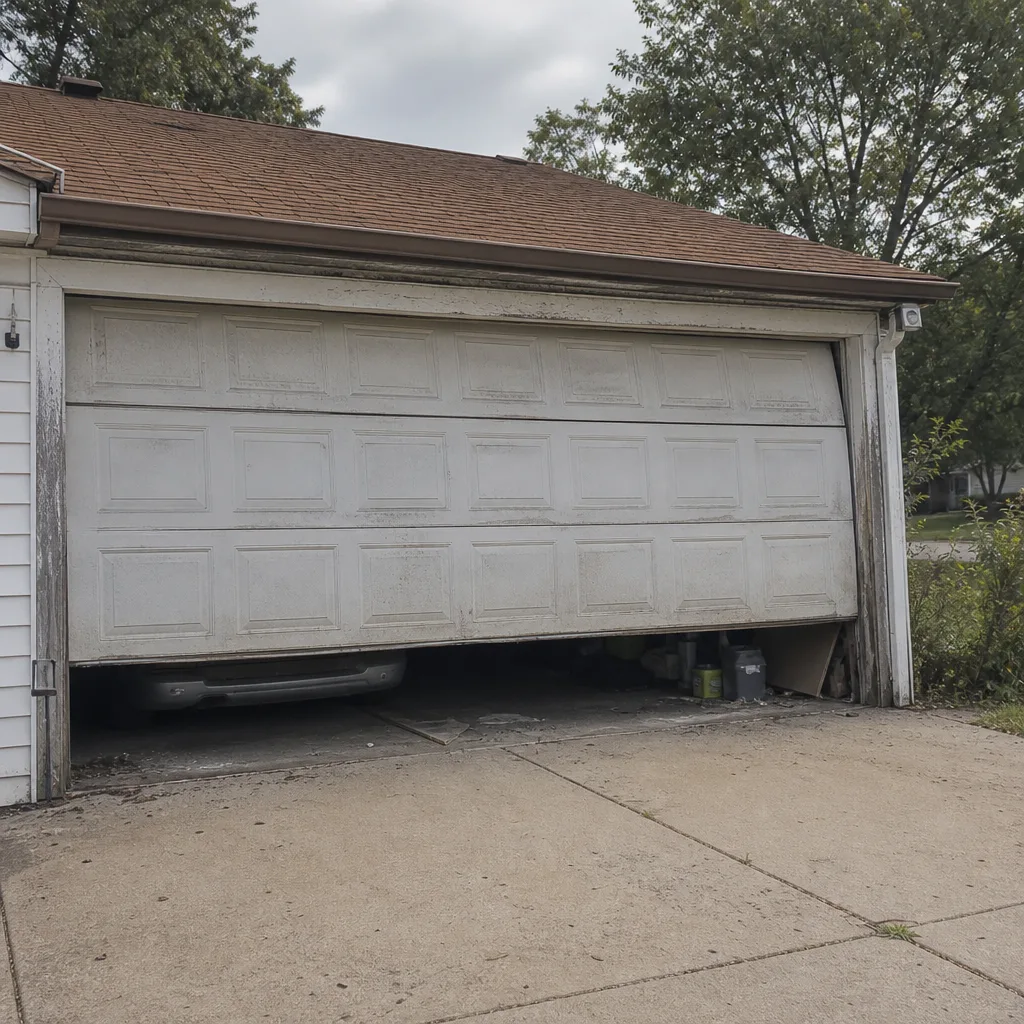 Before
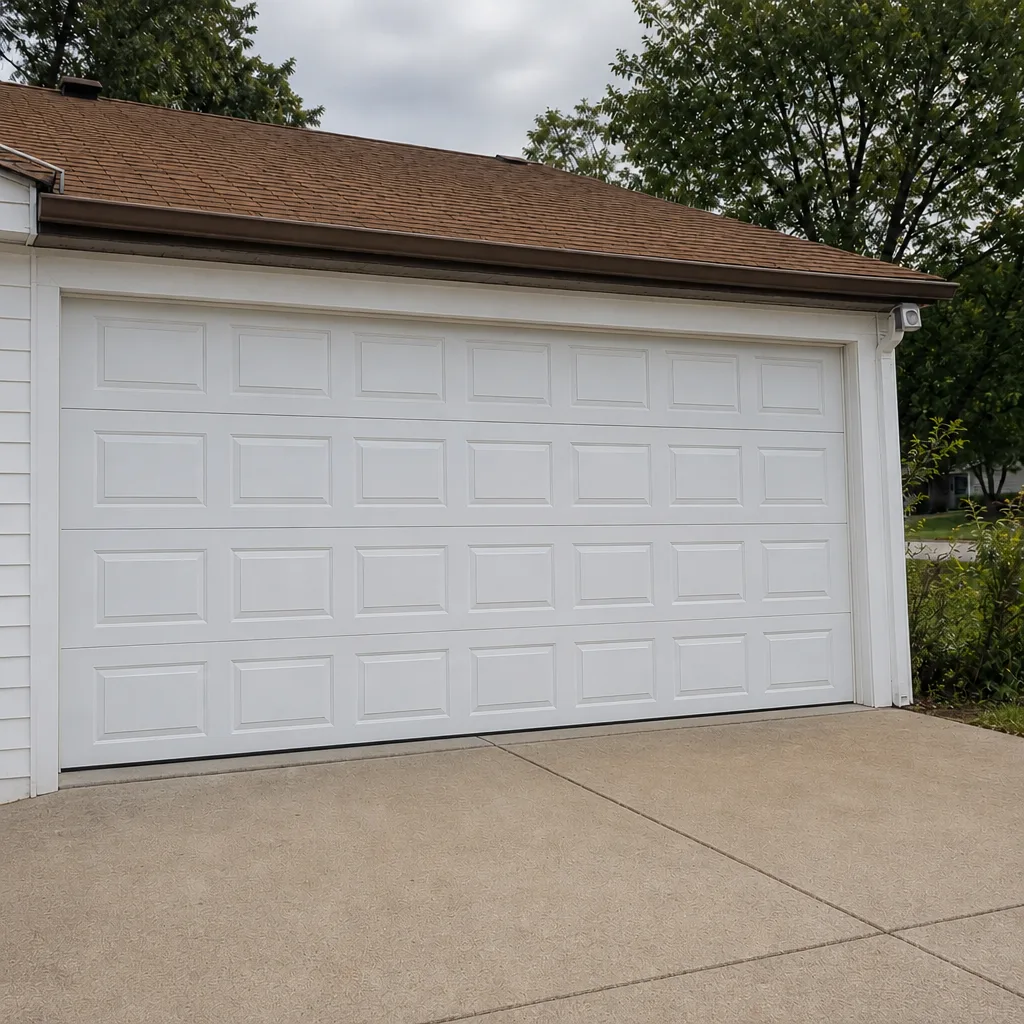 After
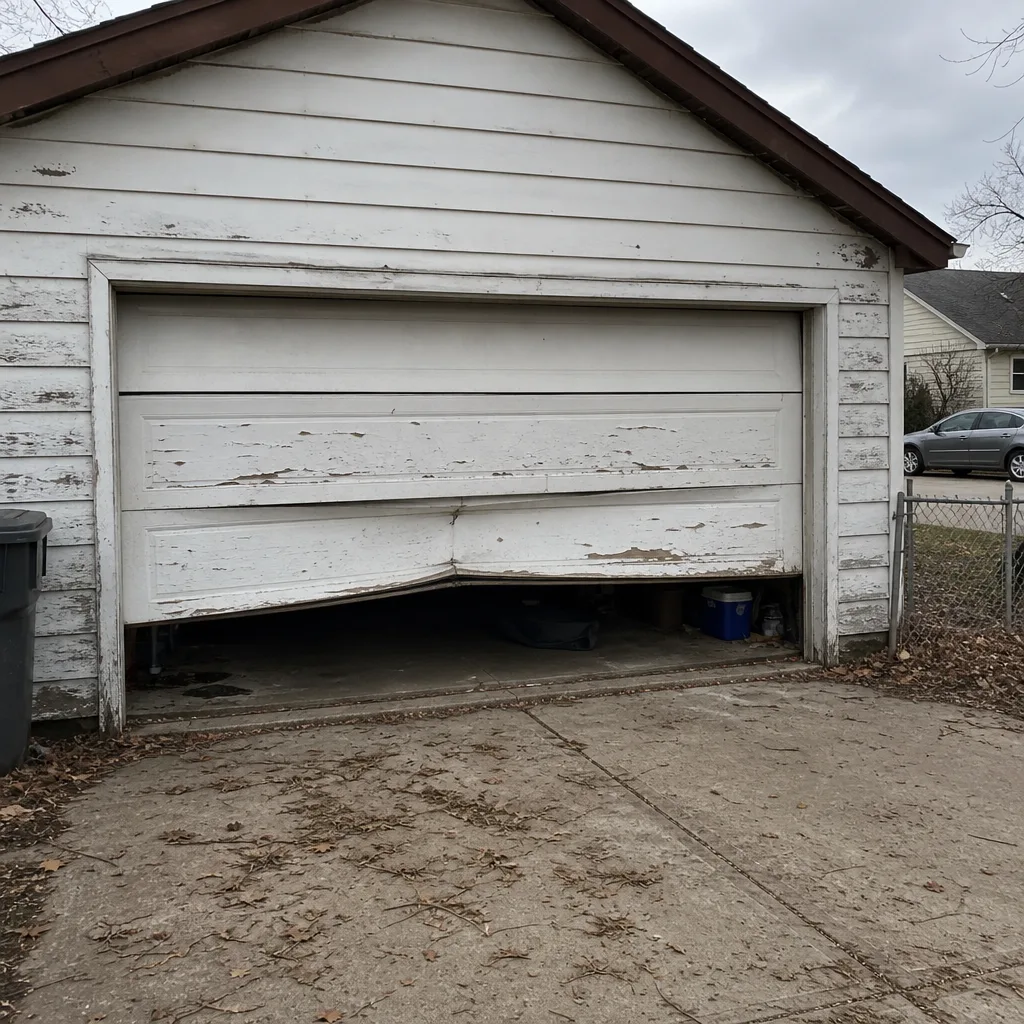 Before
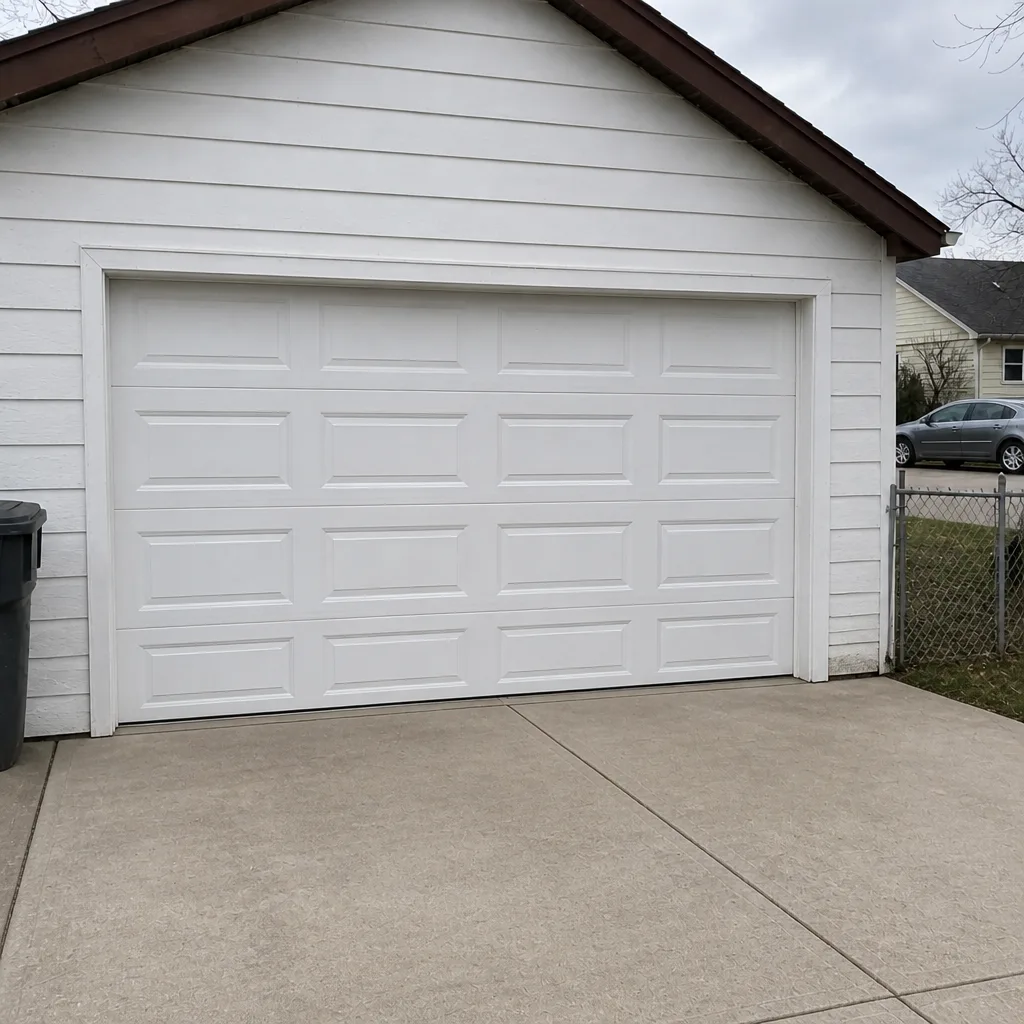 After
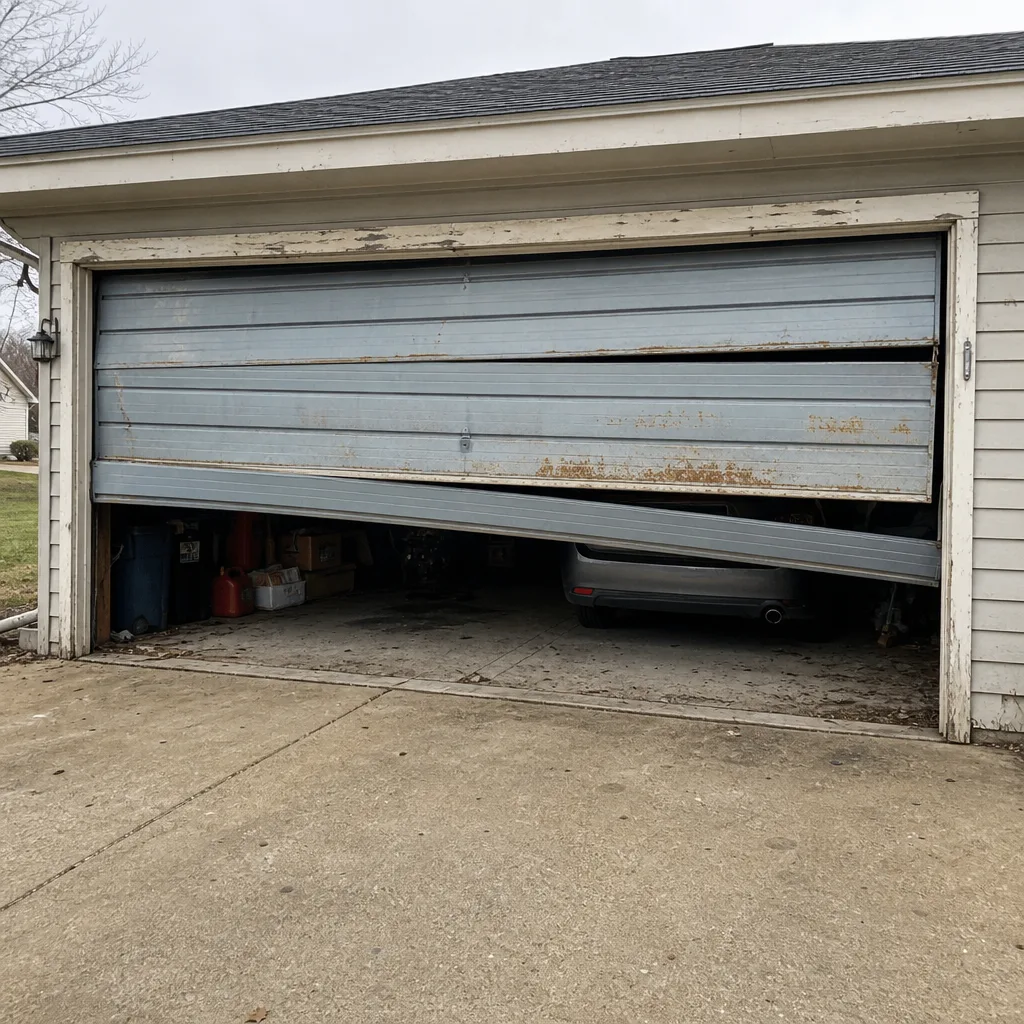 Before
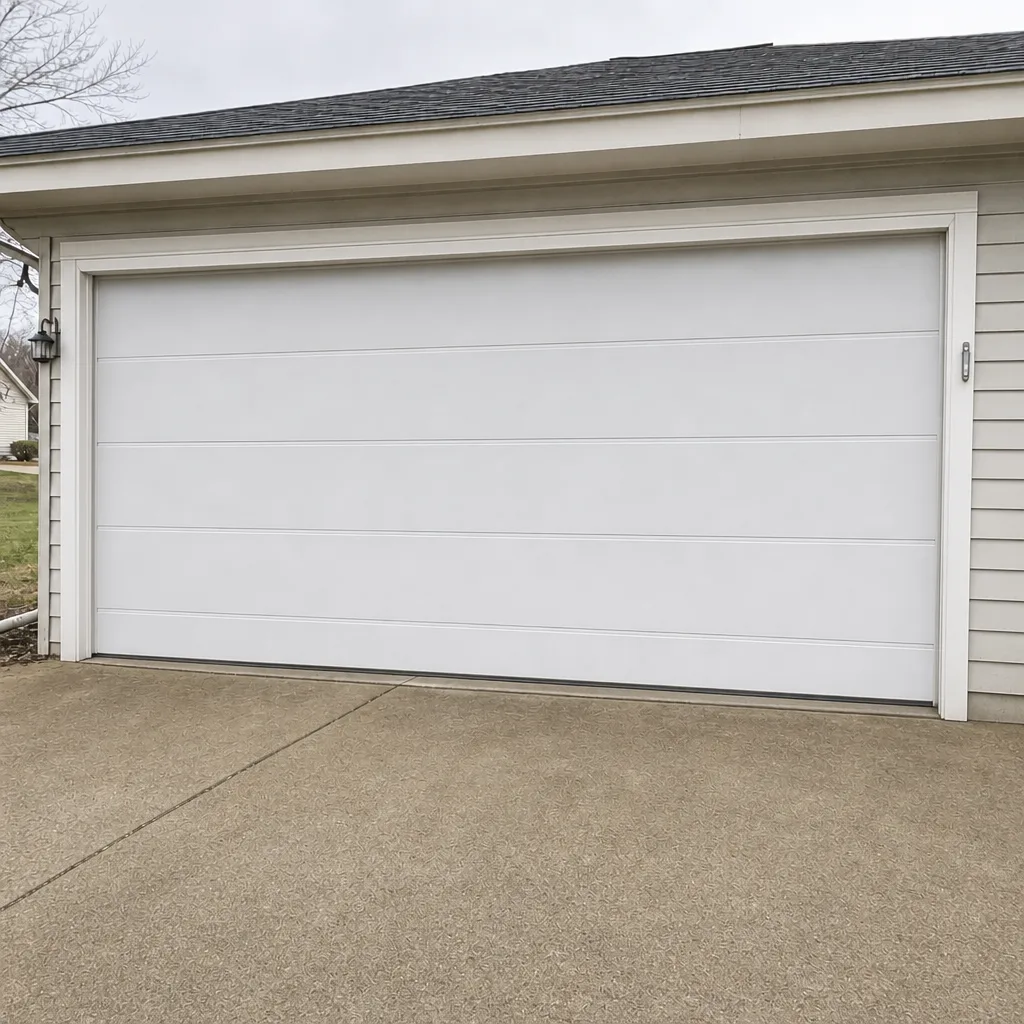 After
When to Call a Professional
Call us when the door won’t open or close all the way, when you see or hear a spring break, when a cable looks frayed or loose, when the door moves unevenly or falls on release, when the safety-reverse test fails, or when a sound you didn’t hear last month has become a sound you hear every cycle. Those are the situations where a diagnosis now prevents a bigger repair later. Our technicians have up to 13 years of experience across the eight brands we cover, and we handle springs, openers, repairs, and full installations. Our local professionals are licensed and insured as their state requires, and we quote and agree on the price before any work starts. Garage Door Repair Longfellow offers free estimates in Longfellow, and we respond to same-day callouts for stuck, broken, or unsafe doors. Call (855) 658-4110.
Frequently Asked Questions
The four most common are a hesitation or jerk during the door’s cycle, a grinding or scraping sound, a visible gap in the spring’s coils, and a door that comes down unevenly. Of those, the hesitation and the spring gap are the most urgent, because both are early signs of a failure that usually isn’t far behind. The grinding and scraping are typically roller or track wear and can usually be scheduled rather than treated as emergencies.
No. A torsion spring carries dangerous tension, and removing or adjusting it requires specialized tools and training. A slip during a spring repair can cause serious injury, and a door reassembled with incorrect spring tension can fail mid-cycle. This is a job for a trained technician who works on springs and spring calibration regularly. Call (855) 658-4110 if yours has broken.
Disengage the opener using the red release handle and move the door by hand. If the door moves smoothly and balances at halfway, the hardware is likely fine and the problem is opener-side. If the door binds, scrapes, or drops, the problem is in the springs, cables, rollers, or track. If any of the stop-using signs apply (visible spring gap, frayed cable, uneven drop), don’t run the check at all; call us instead.
Usually, yes. The pattern we see most often is a change in motor pitch in the first second of each cycle, or a rougher, lower hum that wasn’t there a few months ago. That’s typically the drive gear or the motor bearing starting to wear. Catching it before the opener stops working entirely usually means a component repair rather than a full replacement. Call for a free estimate and we’ll diagnose it without guessing.
Spring repair in Longfellow typically costs $180 to $340 per spring. A matched pair is usually replaced together, so a pair runs about twice the single-spring range. We quote and agree on the price before any work starts, so what you see on the written estimate is what you pay. Call (855) 658-4110 for an exact quote; estimates are free.
Not usually. Grinding, scraping, or squealing that has been present for a while and hasn’t gotten noticeably worse is typically a wear issue (rollers, track, bearings) that can be scheduled. A noise that appeared suddenly, a single loud pop, or a sound accompanied by a change in how the door moves is a different situation and should be treated as urgent. Call us if you’re not sure which category applies.
The Bottom Line
Garage door warning signs fall into three buckets: watch, schedule, and stop now. Watch means cosmetic or minor wear that’s worth a monthly look. Schedule means something is wearing and will need a repair soon. Stop now means a spring, cable, or balance failure that shouldn’t be cycled another time. Most of what you’ll notice in a Longfellow garage will be in the first two buckets, and the third is rarer than the noise would suggest. The skill is telling them apart early enough that a small repair stays small. When you can’t tell, a free estimate resolves it fast. Call Garage Door Repair Longfellow at (855) 658-4110 for a free estimate on any warning sign you’re not sure about.
Written by the team at Garage Door Repair Longfellow.