Last updated November 21, 2026
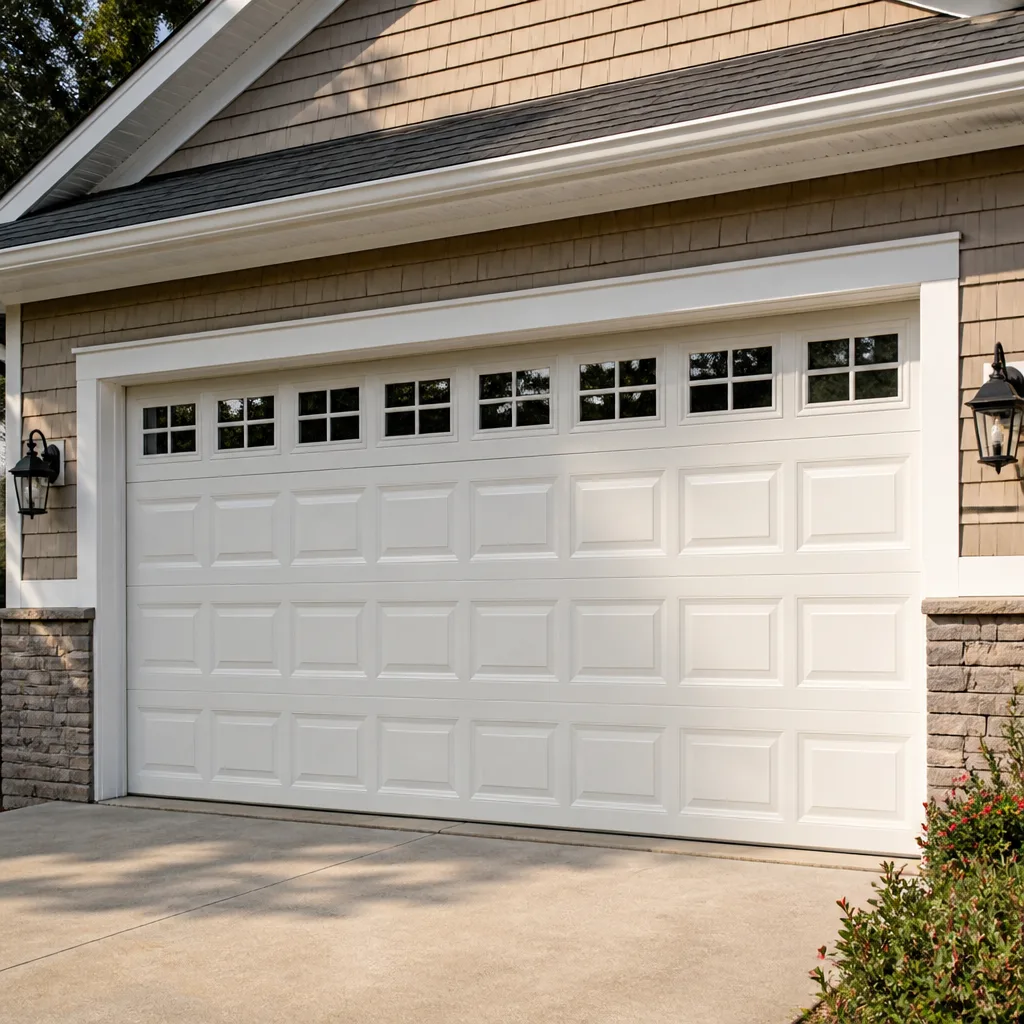 Raised-panel steel
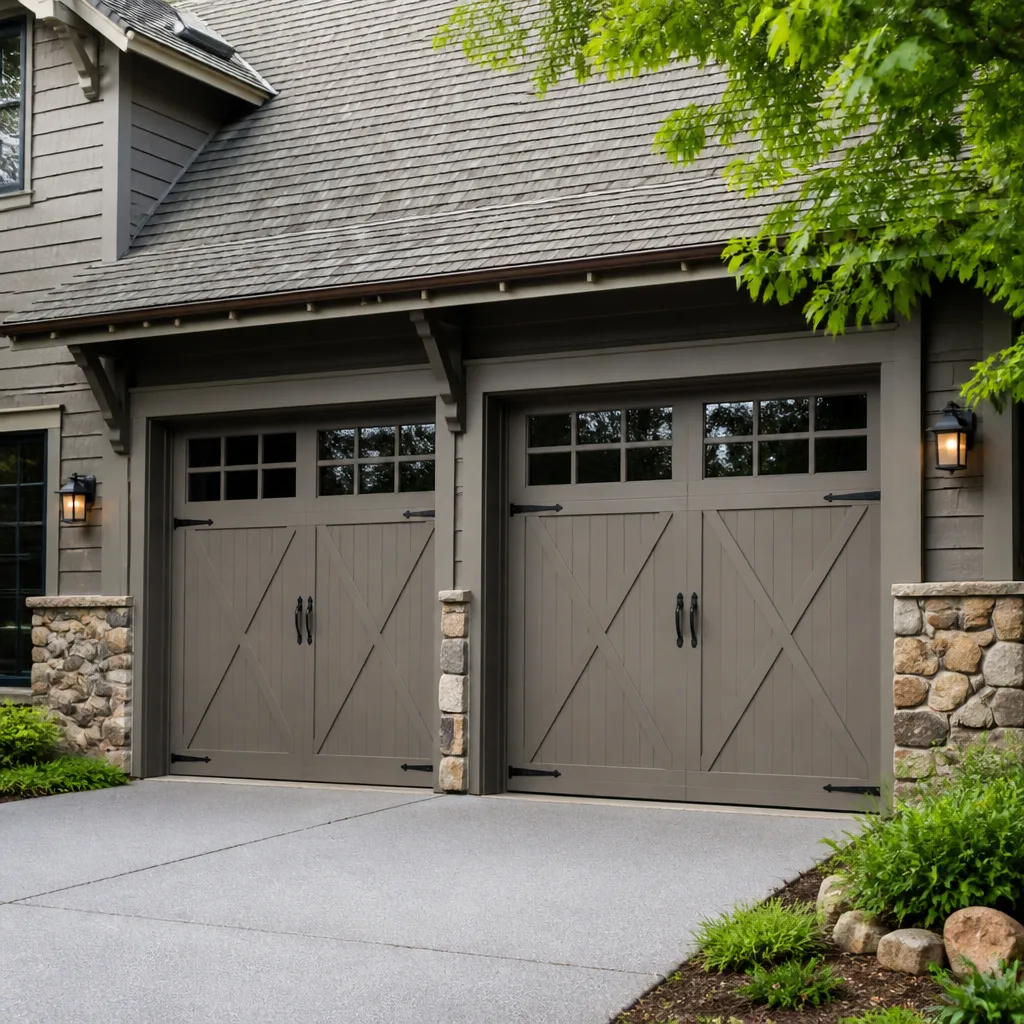 Carriage house
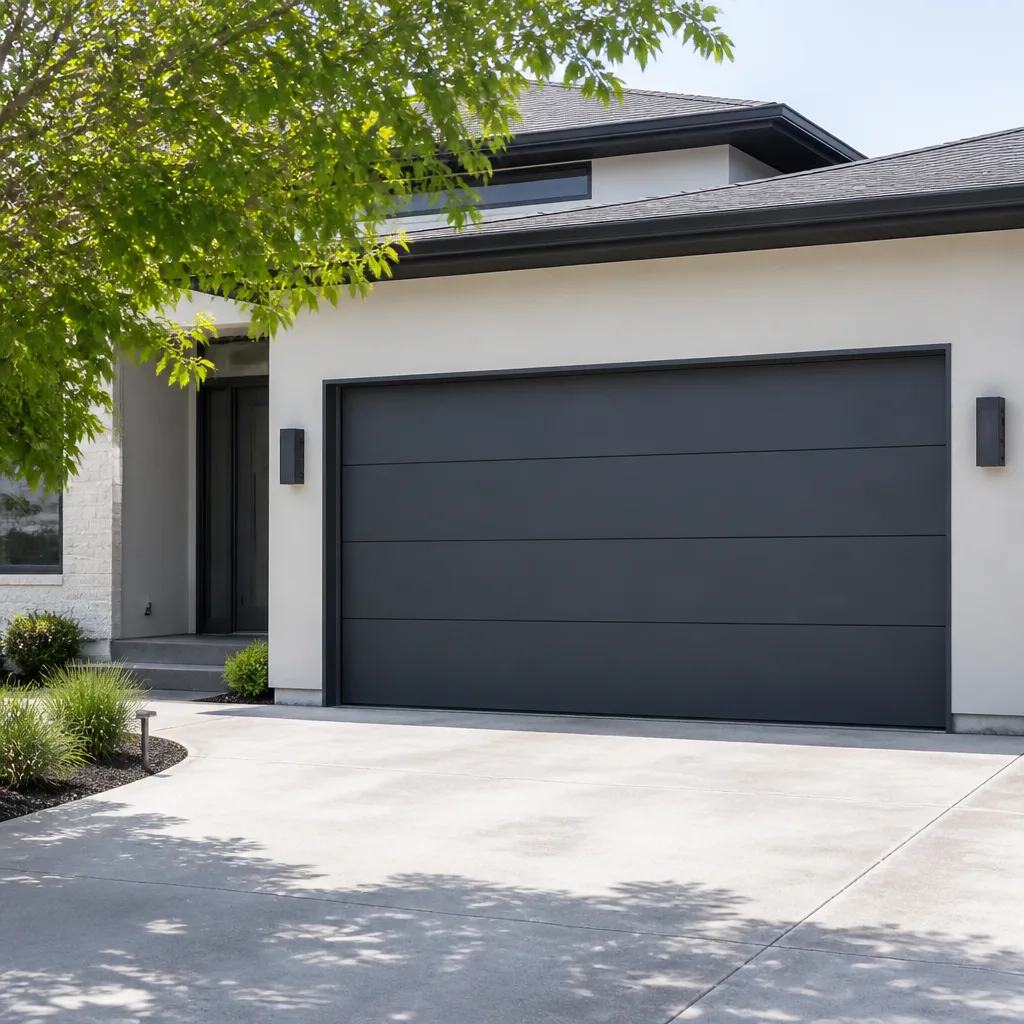 Modern flush
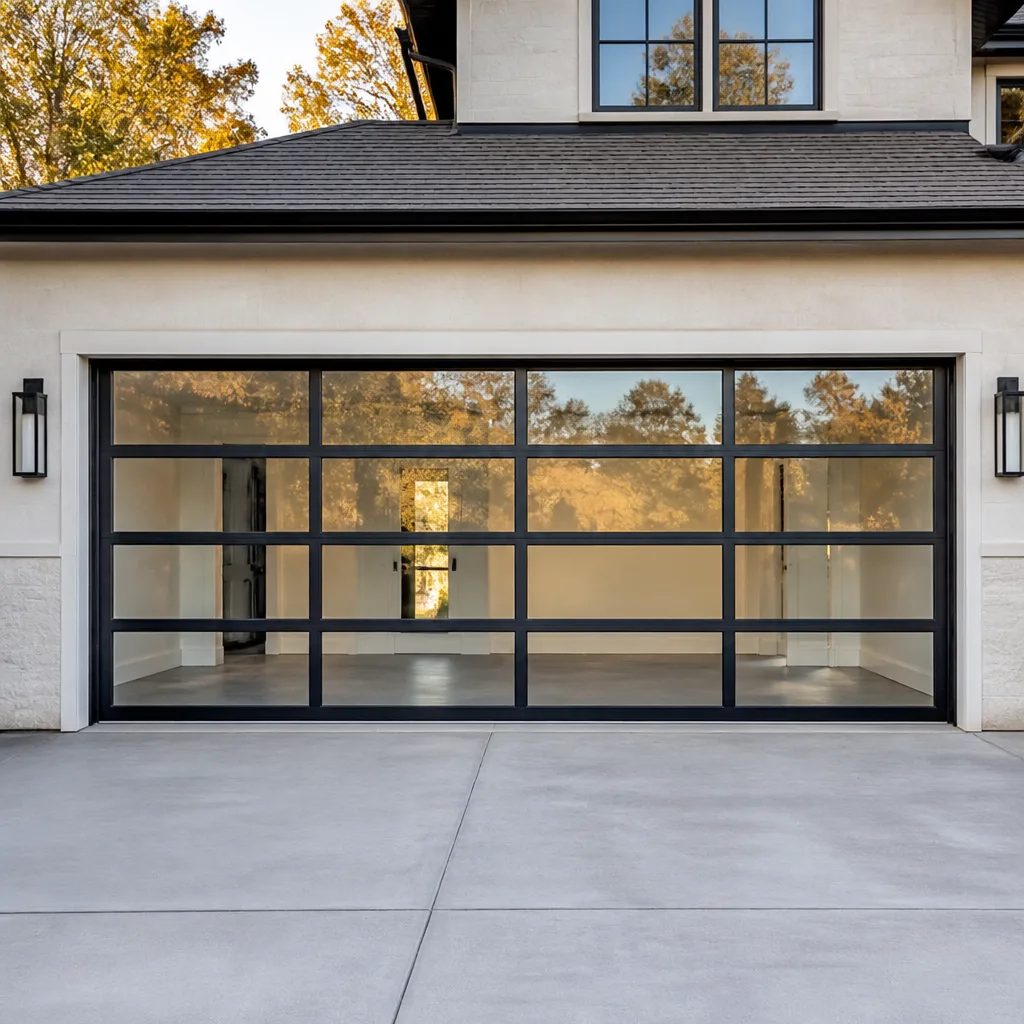 Full-view glass
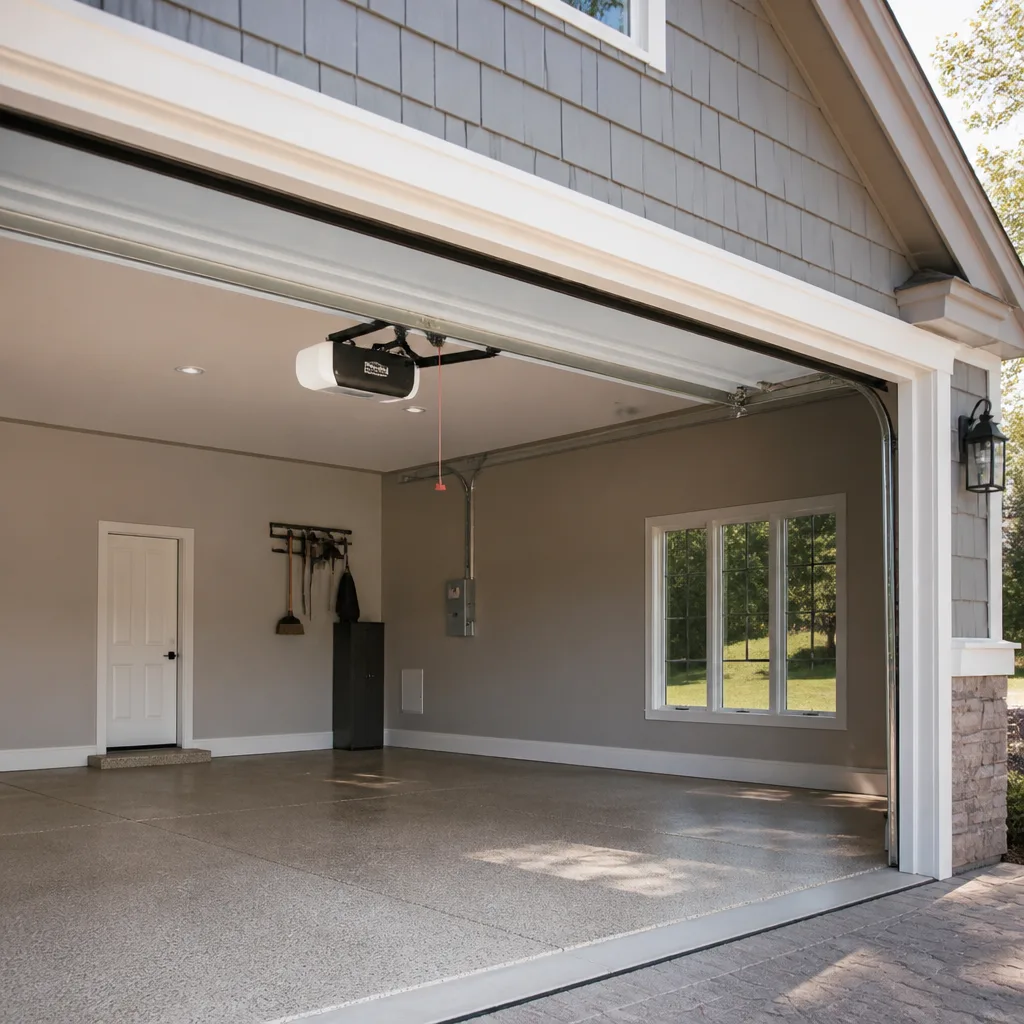 LiftMaster openers
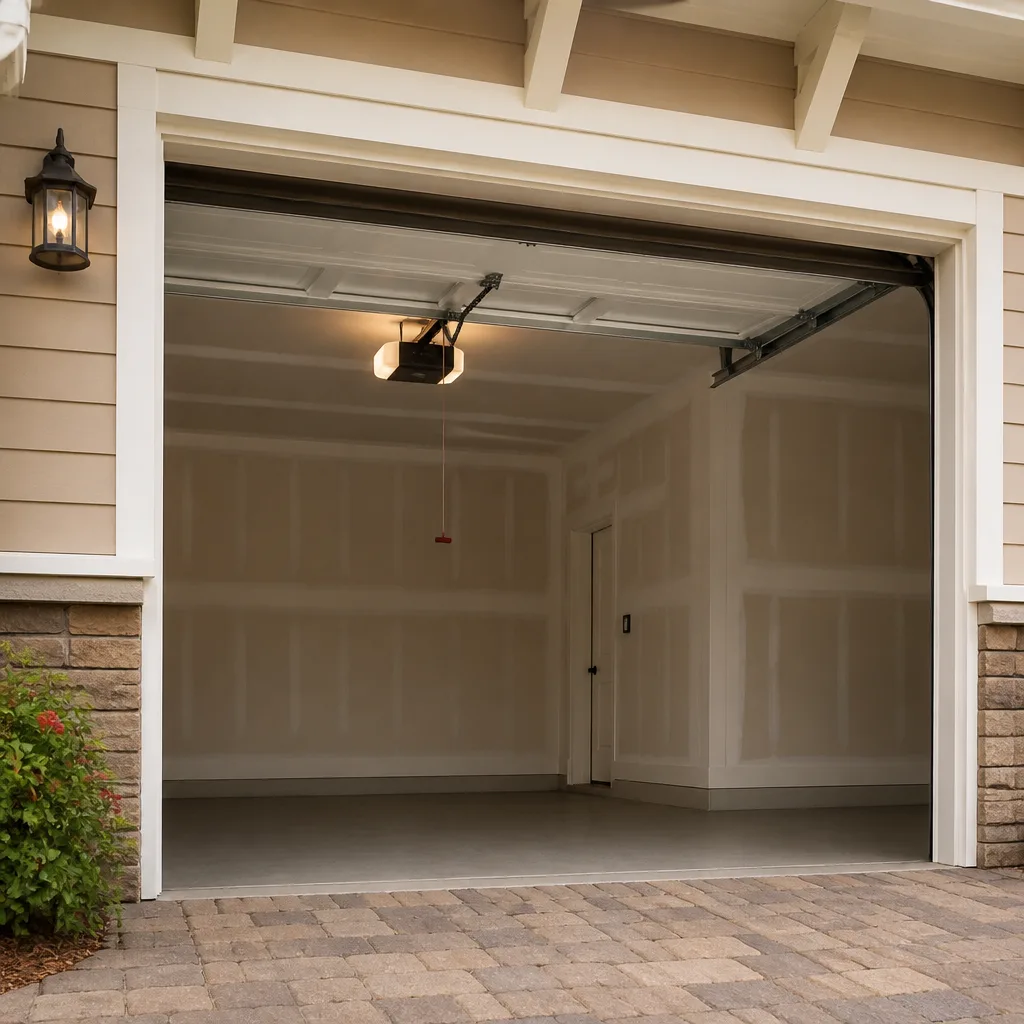 Chamberlain openers
Full 25-point door and opener safety check with every visit - springs, cables, rollers, tracks, and your LiftMaster or Chamberlain opener included
You get a price before we start. It does not change when the pro arrives.
Get your free estimateChoosing the Right Garage Door Brand: A Buyer’s Guide for Longfellow
The door with the best showroom finish and the boldest warranty language is not always the door that’s easiest to live with three winters from now in Minneapolis. That’s the part almost no brand guide tells you. Garage doors get sold like kitchen appliances, on looks and a shiny sticker, but they get judged like work trucks: by how the panels hold up when it’s five below, whether a snapped spring can be matched the same week, and who actually honors the paperwork when a seal fails in year two. In this guide we’ll walk through the brands most commonly installed in Longfellow garages, what each one does well and where it gets fussy, and how to match door and opener to a climate that swings hard in both directions. Keep reading and you’ll know what to ask before you sign anything.
Styles & brands we work with
- Raised-panel steel
- Carriage house
- Modern flush
- Full-view glass
- LiftMaster openers
- Chamberlain openers
Quick Answer
The right brand for a Longfellow garage usually comes down to parts availability and service reality more than brochure specs: Clopay and Amarr are the safest bets for a well-insulated steel door with parts you can source quickly across the Twin Cities metro, Wayne Dalton works but has model-specific quirks worth knowing, and the opener brand matters as much as the door because compatibility drives long-term reliability. Choose the door by insulation and steel gauge for Minnesota winters, then choose an opener rated for that door’s weight.
Table of Contents
- How We Judge a Garage Door Brand in Longfellow
- Clopay, Amarr, and Wayne Dalton: A Brand-by-Brand Look
- Matching Door Material to Longfellow’s Climate Load
- Manufacturer Warranty vs. Dealer Warranty: Which Actually Applies?
- Why the Opener Brand Decision Matters as Much as the Door
- What “Brand Familiarity” Means From a Service Perspective
- A Step-by-Step Way to Choose
- Common Mistakes to Avoid
- When to Call a Professional
- Frequently Asked Questions
How We Judge a Garage Door Brand in Longfellow
Most brand guides are written from the manufacturer’s press kit. We take the opposite approach. We judge a door by what happens after the sale, when something’s actually worn out, warped, or stuck. That means four criteria, and every brand gets measured against the same four.
- Cold-weather performance. A Minnesota winter runs from hard freeze to freeze-thaw cycles and back. Steel moves, seals stiffen, and any door with a weak thermal break shows it within a season or two.
- Local parts availability in the Twin Cities metro. When a hinge, roller, bottom seal, or panel needs replacing, can it be sourced here quickly, or does it ship from a regional warehouse and leave you waiting?
- Warranty enforceability. A warranty is only worth what it covers, for how long, and under what conditions. Reading the exclusions tells you far more than the big number on the sticker.
- Known failure patterns. Every brand has a set of parts that tend to go first. Knowing those patterns is what separates a fast diagnosis from a guessing game.
We bring hands-on familiarity with eight of the brands you’ll find in residential garages around Longfellow: LiftMaster, Chamberlain, Genie, Clopay, Amarr, Wayne Dalton, Craftsman, and Raynor. That range matters because the questions we’re answering here come up daily. This isn’t a ranking of who makes the finest door in the world. It’s a guide to which door will be easiest to live with, and to service, in a Longfellow garage for the next decade.
Clopay, Amarr, and Wayne Dalton: A Brand-by-Brand Look
These three cover the majority of residential steel doors installed across the Twin Cities metro, and each has a distinct character. Here’s how they compare on the four criteria we just laid out.
Clopay
Clopay is one of the most common doors in Longfellow, and for good reason: they’re predictable in the best sense. Steel is available in a range of gauges, the insulation packages are well documented, and parts sourcing across the metro is reliable. When a bottom seal or a hinge line wears, the replacement is usually straightforward. The failure pattern to watch is at the bottom of the door, where the seal meets the floor. In a Minnesota freeze-thaw cycle, that seal takes a beating and often needs attention before anything else does.
Amarr
Amarr builds a sturdy steel door and is well represented in this part of the metro. Panels are solid, and the entry-level to mid-range lines offer good value if you’re matching a door to an existing opening. Parts are available locally, though model-specific trim and colors can occasionally take a bit longer to match than a Clopay. Cold-weather performance is solid when you spec insulation correctly. The common mistake with Amarr is under-speccing the insulation package to save on the front end, which shows up as a cold, condensation-prone door by February.
Wayne Dalton
Wayne Dalton covers a broad range, from basic steel to insulated models, and some of their product lines have model-specific quirks in the hardware that a technician needs to know before they disassemble anything. That’s exactly where brand familiarity earns its keep. A generalist can spend time working it out; a technician who sees these doors regularly knows the layout and goes straight to the problem. Sourcing is generally fine, but individual model numbers matter more here than with Clopay or Amarr, so have the model number ready when you call for parts or service.
What about the entry-level steel brands?
Lower-cost steel doors from a range of makers fill Longfellow garages too. There’s nothing wrong with a well-installed entry-level door if the insulation and gauge match the climate. The trouble usually isn’t the brand, it’s the install: thin gauge with a poorly sealed perimeter is a draft machine in a Minnesota winter. Focus less on the badge and more on the gauge, the seal, and who’s hanging it.
Matching Door Material to Longfellow’s Climate Load
A “cold climate” door recommendation usually stops at “buy an insulated door.” That’s not specific enough for Longfellow. You need to match three separate specs to the load this region puts on a door.
Steel gauge
Thicker steel resists denting and holds its shape through thermal movement. A heavier gauge also helps the door run quieter and keeps panels from flexing at the seams. In a climate that cycles between deep freeze and thaw, steel that’s too thin will show it at the panel joints and the hinges. Ask for the gauge in writing on the quote.
Insulation: polystyrene vs. polyurethane
This is the spec most people skip. Polystyrene is the cheaper foam, and it does an okay job. Polyurethane is denser and insulates better per inch, so you get more thermal performance from a thinner door. For an attached garage in Longfellow, where the garage shares a wall with living space, a well-insulated polyurethane door earns its keep across a Minnesota winter by keeping that wall warmer. For a detached garage, polystyrene may be enough.
R-value and what it really means
R-value measures how well the door resists heat flow. Higher is better, but the number only means something when the door is also sealed well at the perimeter. A high-R door with gaps around the frame will leak like a lower one. Match the R-value to the door’s role: an attached garage wants more, a detached garage needs less. Get the R-value in the quote so you can compare apples to apples across brands.
The bottom seal and perimeter
In Longfellow, a stiff or torn bottom seal is one of the first things to fail because freeze-thaw cycles work it hard. That’s also the most common source of a cold, drafty garage and the small stuff that blows in under the door. Spec a good-quality seal and plan to inspect it.
Manufacturer Warranty vs. Dealer Warranty: Which Actually Applies?
When a panel warps or a bottom seal fails in year two, the warranty that answers the phone is often not the one you thought you were relying on. There are two layers, and understanding the split saves you a frustrating call.
- Manufacturer warranty covers defects in the product itself: a panel that warps through no fault of install, a section that delaminates, hardware that fails early. It usually runs for a set number of years and often prorates over time. It won’t cover normal wear or improper installation.
- Dealer or installer warranty covers the work: alignment, spring balance, seal fit, and the general craftsmanship of hanging the door. This is the layer that matters most in the first couple of years.
The practical rule: read the exclusions on both before you sign. Most claims that get denied aren’t denied because of the product. They’re denied because of install or maintenance. A well-installed door from a mid-tier brand with a clear installer warranty often protects you better than a premium brand hung poorly. When you get a written estimate for Garage Door Repair Longfellow, ask which warranty layer covers what, and get it on paper.
Bottom seal failures and panel warping are exactly the cases where the two warranties overlap, so ask up front who handles the call. The manufacturer may supply the part; the installer handles labor. Understanding that split keeps a small problem from becoming a standoff.
Why the Opener Brand Decision Matters as Much as the Door
Homeowners spend weeks choosing a door and five minutes choosing an opener. That’s backwards, because an opener that’s mismatched to door weight and spring tension is the leading cause of premature opener failure. The opener and door are a system, and they need to be specced together.
Door weight is set by material, gauge, insulation, and glass. Higher weight needs a stronger opener and a spring system calibrated to lift it. Horsepower alone isn’t the answer: it’s about matching the opener’s rated lifting capacity to the weight, and getting the spring balance right so the opener isn’t fighting the door. A door that isn’t balanced will wear out a good opener fast.
The opener brands we see most
Most Longfellow garages have one of four opener brands installed: LiftMaster, Chamberlain, Genie, or Craftsman. Each has its own logic board, remote protocol, and sensor behavior. When one stops responding or the motor strains, knowing the brand tells us what to check first, whether the issue is mechanical (a binding door) or electronic (a logic board, a sensor, or a remote pairing problem). That’s the kind of diagnosis behind our garage door opener repair service, and it’s a different skill from hanging a door.
The practical takeaway: choose the opener for the door it will lift, not the other way around. Have the door weight and spring spec settled, then choose an opener rated for it. Compatibility between door weight, spring system, and opener horsepower is what keeps a garage reliable for years.
What “Brand Familiarity” Means From a Service Perspective
Brand familiarity is not a marketing line. It’s a measurable service advantage with two parts: faster diagnosis and reliable parts sourcing. Here’s how it plays out in practice.
Every brand has its own failure patterns. A technician who works on Clopay doors regularly knows the bottom-seal failure pattern because they see it constantly. They know how a Wayne Dalton model behaves at the hinges. They know which Amarr trim pieces are slow to source so they can plan for it. A technician who encounters a brand occasionally spends time figuring out the layout, and that time shows up in your bill.
Parts sourcing is the second half. The Twin Cities metro has good availability for the mainstream brands, but a part that’s a phone call away for a specialist can be a regional-warehouse order for someone else. And for the components with the tightest tolerances, like springs, the calibration matters as much as the part.
Springs are not a DIY repair
Torsion springs store dangerous energy, and a stuck door or a broken spring is a certified stop point, not a weekend project. We treat spring work as its own dedicated service because it demands calibrated expertise, not improvisation. If you’re facing a snapped spring right now, don’t touch it. Call a professional.
A Step-by-Step Way to Choose
With all that in mind, here’s a practical order to work through when you’re choosing a door and opener for a Longfellow garage.
- Measure the opening and note the model numbers. Write down your current door’s brand and model and your opener’s brand and model. That one step speeds up everything that follows.
- Decide attached or detached. An attached garage that shares a wall with living space justifies higher insulation and a higher R-value than a detached one.
- Match steel gauge and insulation to the climate load. Get the gauge, the R-value, and the core type (polystyrene or polyurethane) in writing on the quote.
- Choose a brand with reliable local parts. Clopay and Amarr are safe bets for mainstream steel. Wayne Dalton is fine if you note the model number for any future service.
- Spec the opener to the door weight. Get the rated lifting capacity and horsepower matched to the finalized door, and confirm the spring balance is set for it.
- Read the warranty layers. Confirm what the manufacturer covers and what the installer covers, and who you call for each.
- Get a free measure and a written price. When you’re ready to move, a professional measure and a written estimate lock in the right door and the right fit. We do that for garage door installation in Longfellow.
Common Mistakes to Avoid
- Choosing the door by looks, then ignoring the opener. An attractive door hung on an undersized opener will strain that opener and shorten its life. Spec both together.
- Skipping the R-value and gauge on the quote. A vague estimate makes it impossible to compare across brands. Insist on the gauge, R-value, and core type in writing.
- Under-insulating an attached garage. In Longfellow, a thin polystyrene door on a garage that shares a wall with living space is a draft machine every winter. Match insulation to where the garage sits.
- Assuming the big warranty number covers everything. Manufacturer warranties exclude install and normal wear. Confirm the installer warranty too.
- Treating a broken spring as a DIY job. Torsion springs hold serious stored energy. This is not a homeowner repair, and a mistake here can cause real injury.
- Ignoring the bottom seal until it tears. Freeze-thaw cycles here wear the bottom seal faster than most people expect. Check it going into winter.
- Mismatching a mid-tier door to a poorly sealed opening. A good door on a badly sealed frame is wasted. Get the perimeter sealed properly when the door goes in.
When to Call a Professional
Some garage door problems are a minor nuisance, and some are a real hazard. If your door won’t move because a spring has snapped, or a cable is loose or frayed, or the door is stuck open into the night, that’s a call-now situation, not a project for a free afternoon. Torsion springs and cables store dangerous energy and belong in trained hands. The same goes for a door that’s structurally compromised: off its track, sagging, or hanging unevenly after impact. And if your opener runs but the door won’t move, or the door binds partway, the diagnosis is usually fast once a technician sees the brand and model. For routine garage door repair, we can get a technician out to take a look and quote the work before anything starts. Garage Door Repair Longfellow offers free estimates in Longfellow – call (855) 658-4110.
Frequently Asked Questions
For most Longfellow homes, Clopay or Amarr in a well-insulated steel door with reliable local parts availability is the safest choice, matched to the door’s role and location. Wayne Dalton is perfectly workable if you note the model number, since some lines have model-specific service quirks. The brand matters, but the gauge, insulation, and installation matter just as much. Call (855) 658-4110 for a free estimate on a door that fits your garage.
Match insulation to whether your garage is attached or detached. An attached garage that shares a wall with living space wants a denser polyurethane core and a higher R-value. A detached garage can use polystyrene and a lower R-value. Get the R-value and core type in writing on the quote so you can compare doors fairly. Call (855) 658-4110 for help choosing the right spec.
Both matter, but they cover different things: the manufacturer covers product defects, and the installer covers the work like alignment, springs, and seals. The first two years are usually where the installer warranty does the most work. Get both in writing and know who to call. Call (855) 658-4110 for a free estimate.
Sometimes, but only if the existing opener’s rated lifting capacity matches the new door’s weight and the spring system is balanced for it. A heavier insulated door on an opener sized for a light one is asking for premature failure. Have the door weight and spring spec settled before you decide. Call (855) 658-4110 and we can check the compatibility.
Each opener brand, including LiftMaster, Chamberlain, Genie, and Craftsman, has its own logic board, remote protocol, and sensor behavior. When something stops responding, knowing the exact brand and model tells a technician what to check first. That speeds up diagnosis and keeps the repair focused. Call (855) 658-4110 for opener repair.
No. Torsion springs and cables hold enough stored energy to cause serious injury, and a mistake during replacement can be dangerous. Spring work is a dedicated, calibrated job for trained professionals, not a DIY project. If a spring has snapped, keep the door closed and call a professional. Call (855) 658-4110 and we’ll take it from there.
The Bottom Line
Choose your door by what happens after the sale: cold-weather performance, local parts availability, warranty enforceability, and known failure patterns. For most Longfellow garages, Clopay or Amarr in a well-insulated steel door with the right gauge and R-value is the safe move, with Wayne Dalton workable if you keep the model number handy. Then spec the opener to the door’s weight and balance, and get both warranty layers on paper. Our technicians have up to 13 years of experience with the eight brands you’re most likely to have. Match brand to the climate load and the service reality, and you’ll be set for years.
Ready to talk through your door and opener in person? Call Garage Door Repair Longfellow at (855) 658-4110 for a free estimate. We’ll measure, walk you through the options, and give you a written price before any work begins. From a snapped spring to a full new door, we’ve got the next step covered.
Written by the team at Garage Door Repair Longfellow.
See the difference
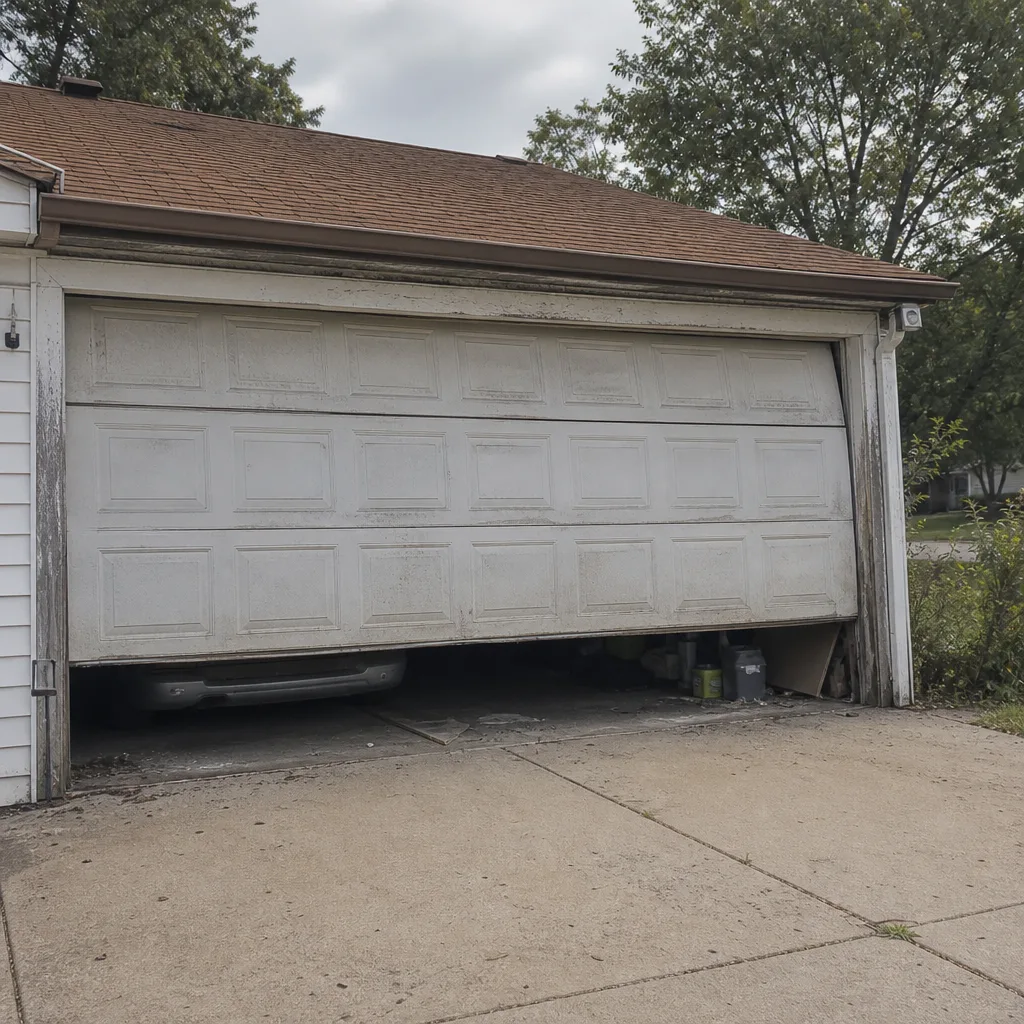 Before
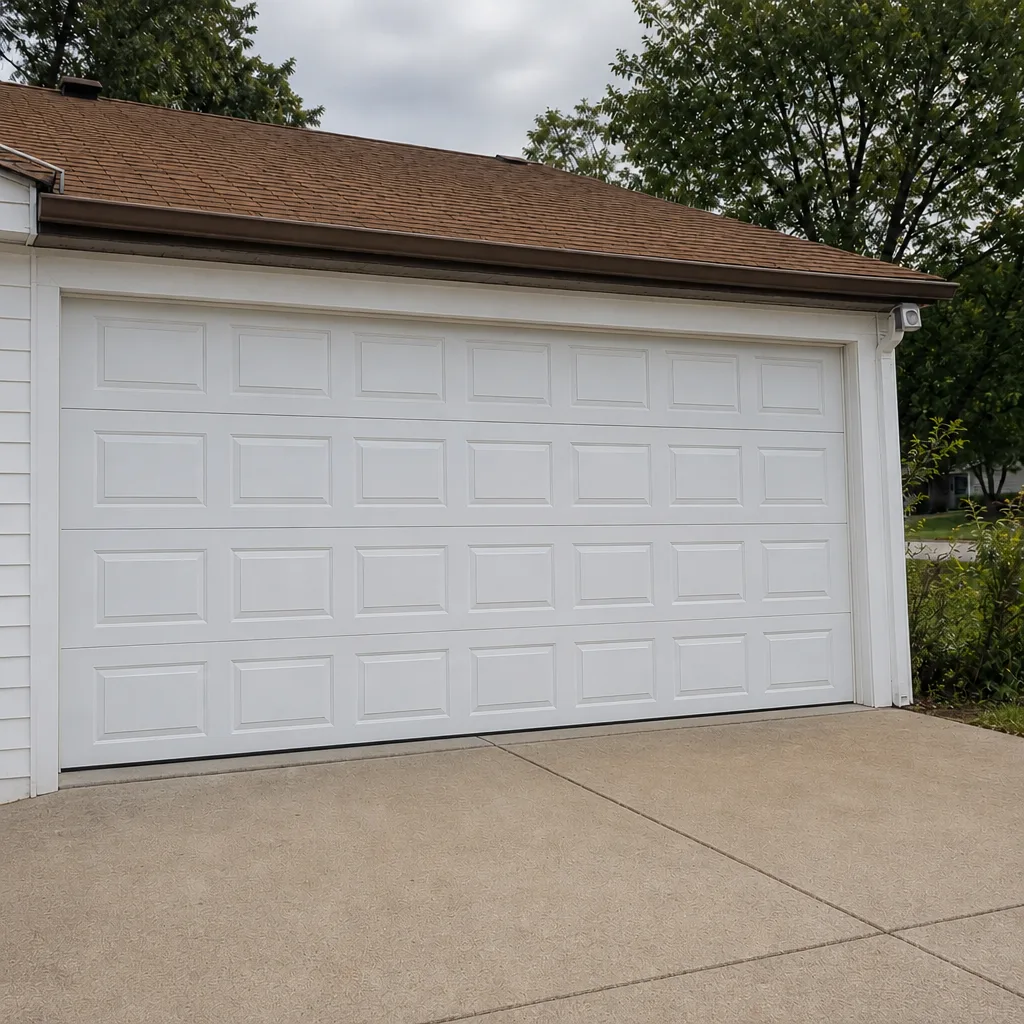 After
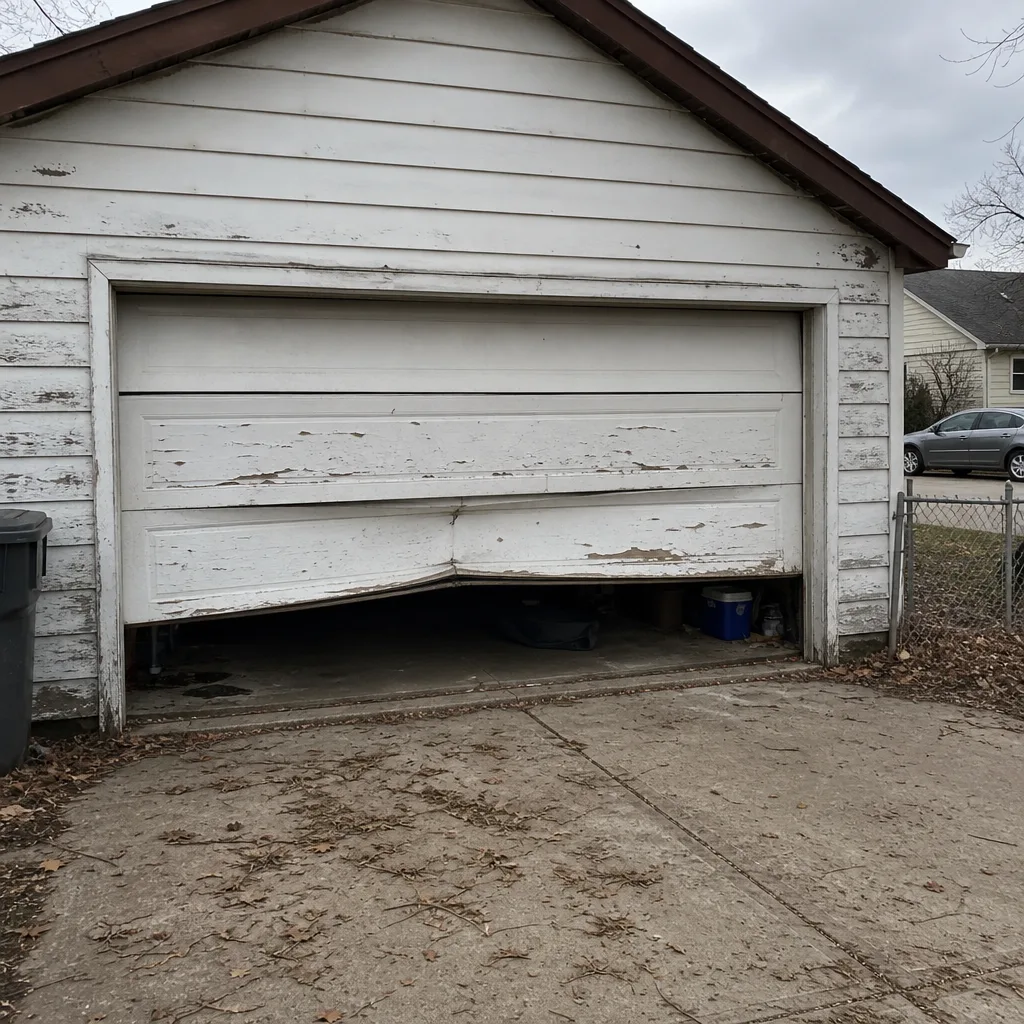 Before
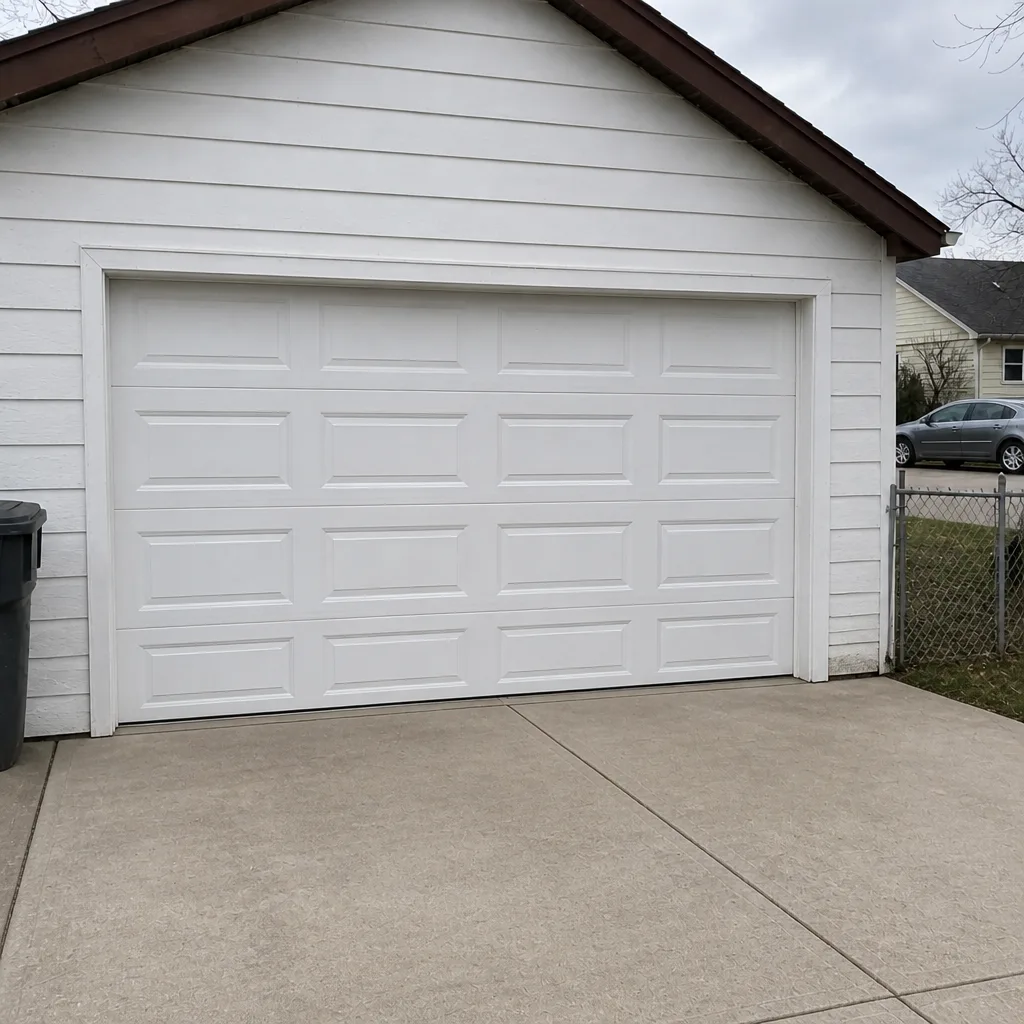 After
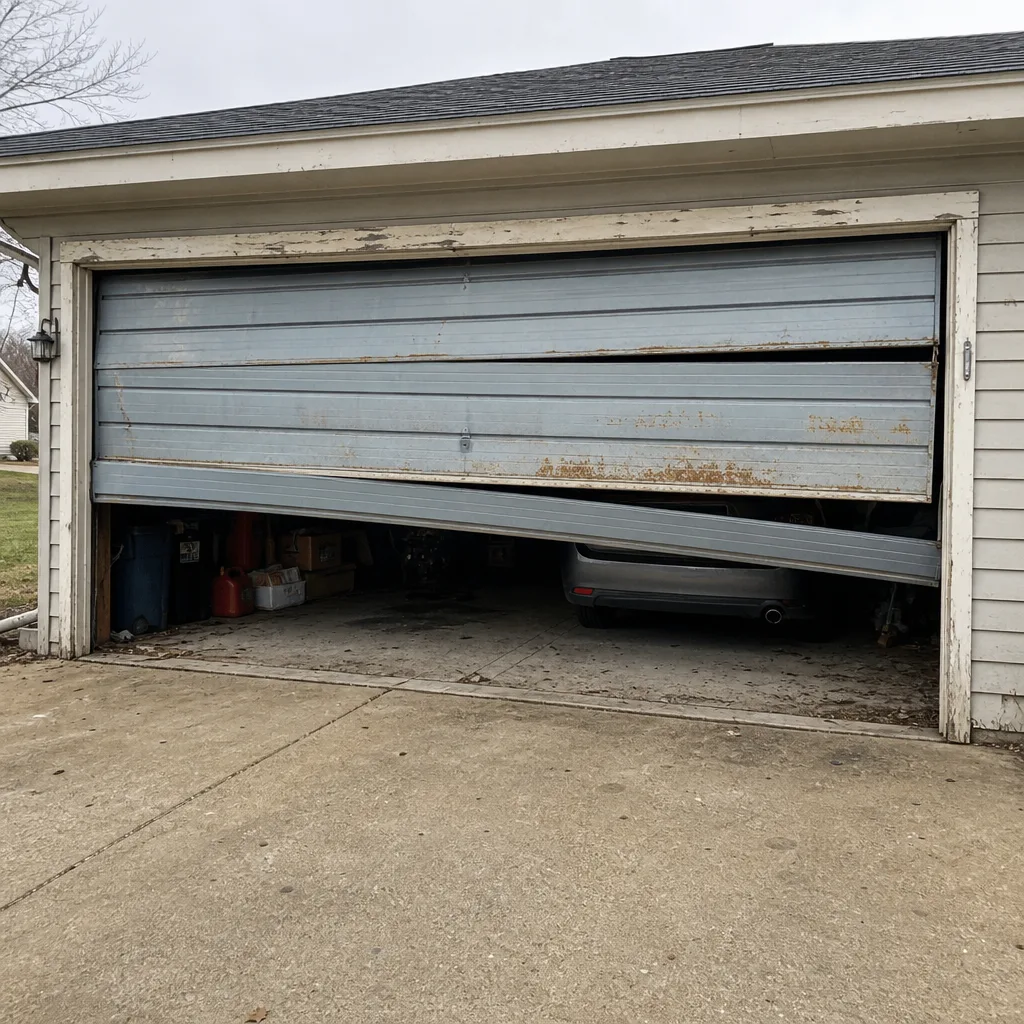 Before
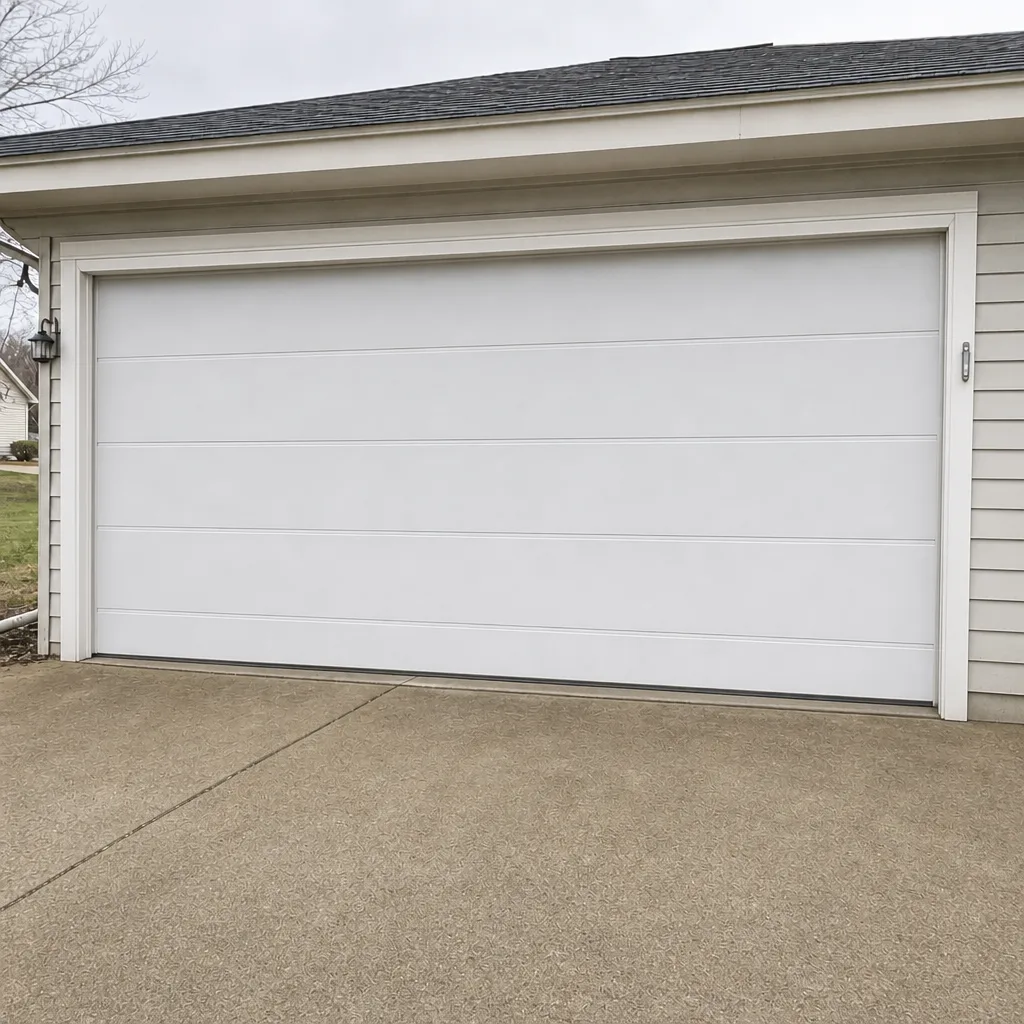 After