Last updated November 21, 2026
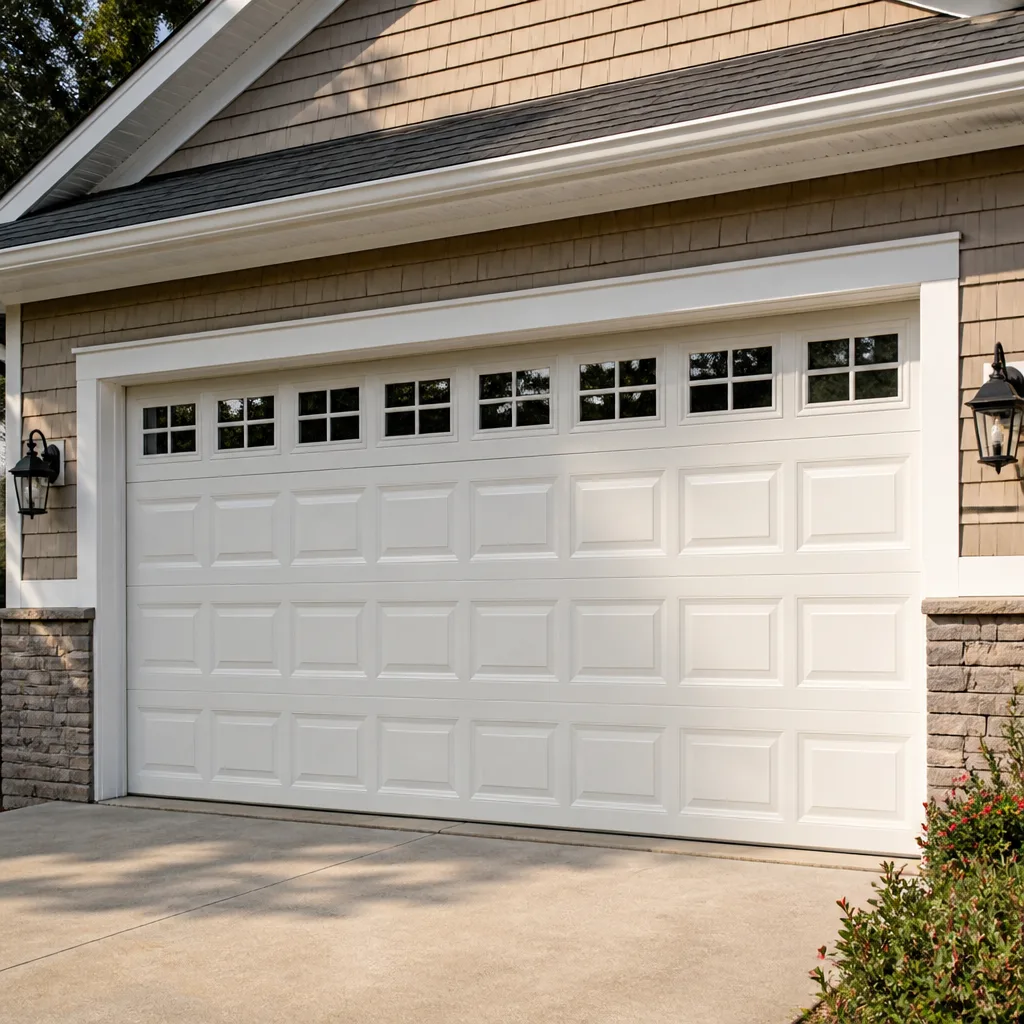 Raised-panel steel
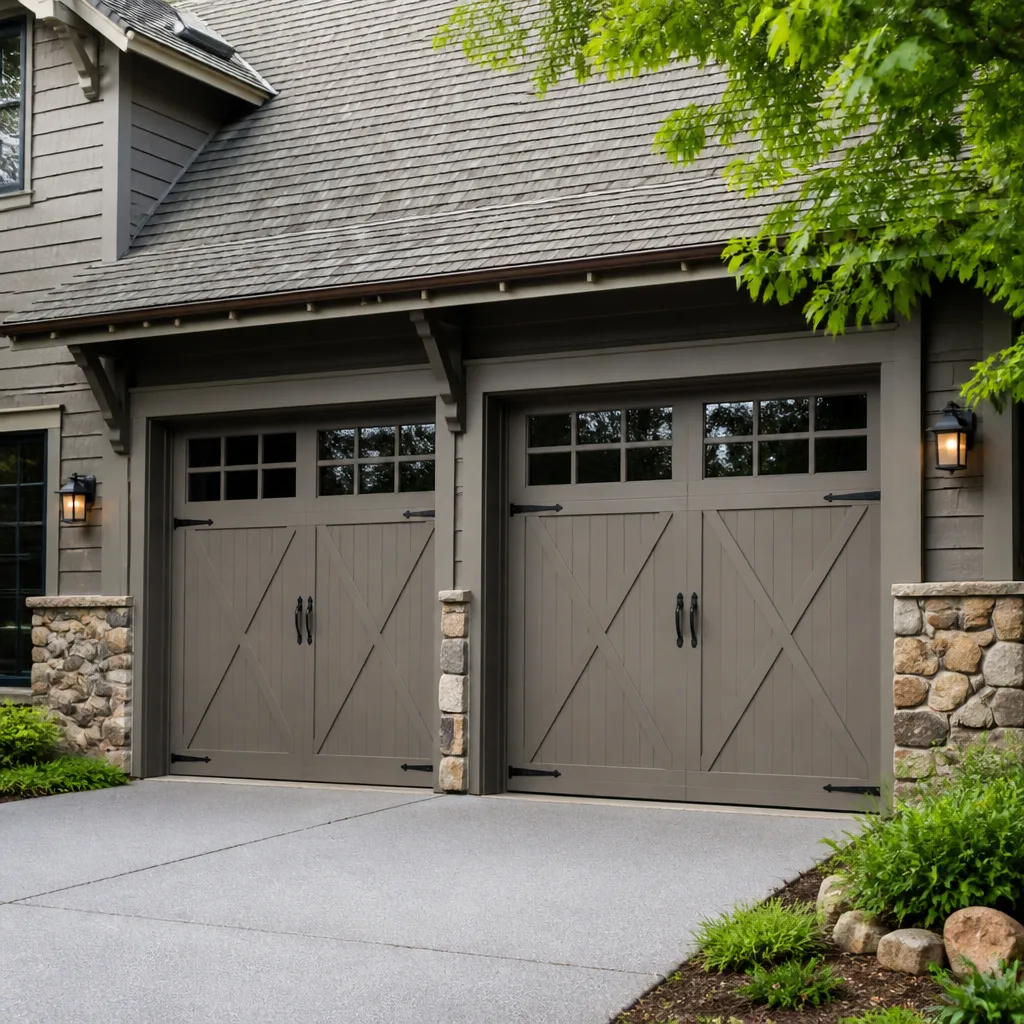 Carriage house
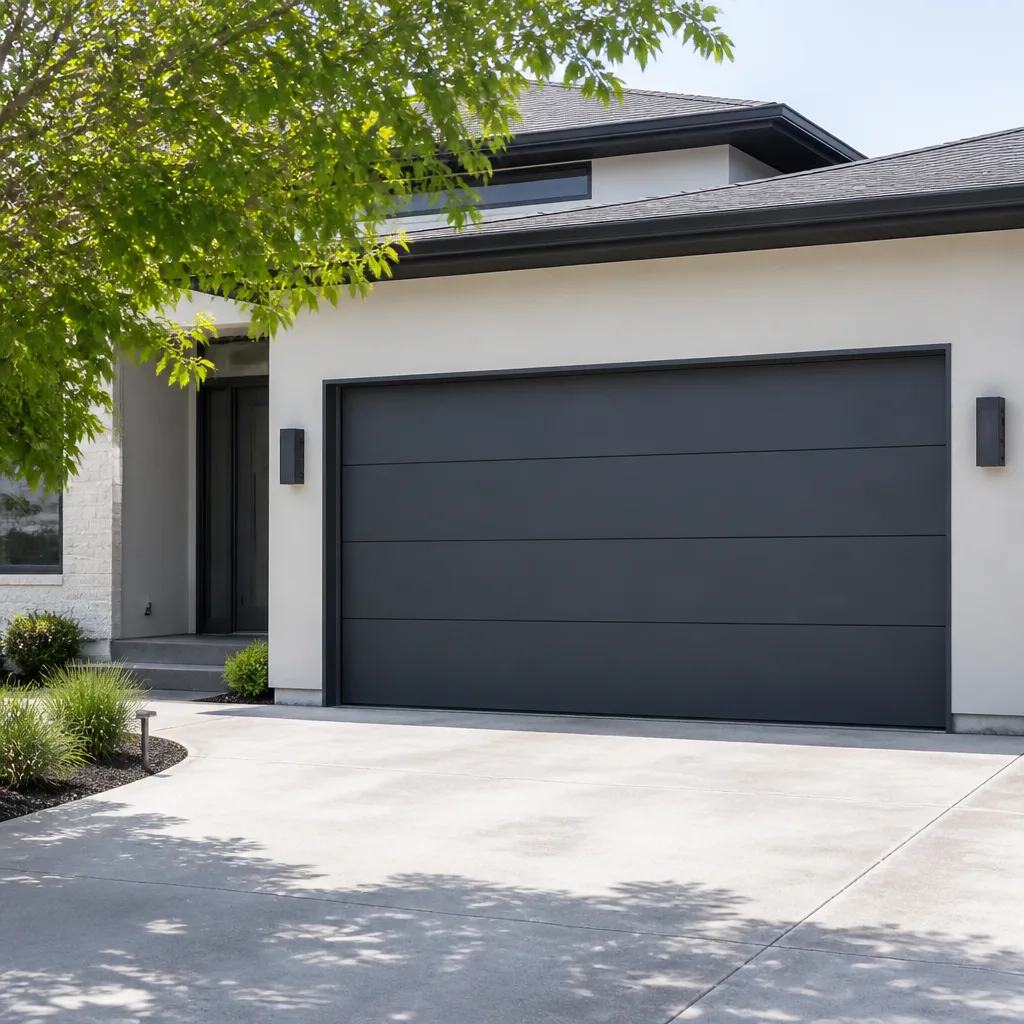 Modern flush
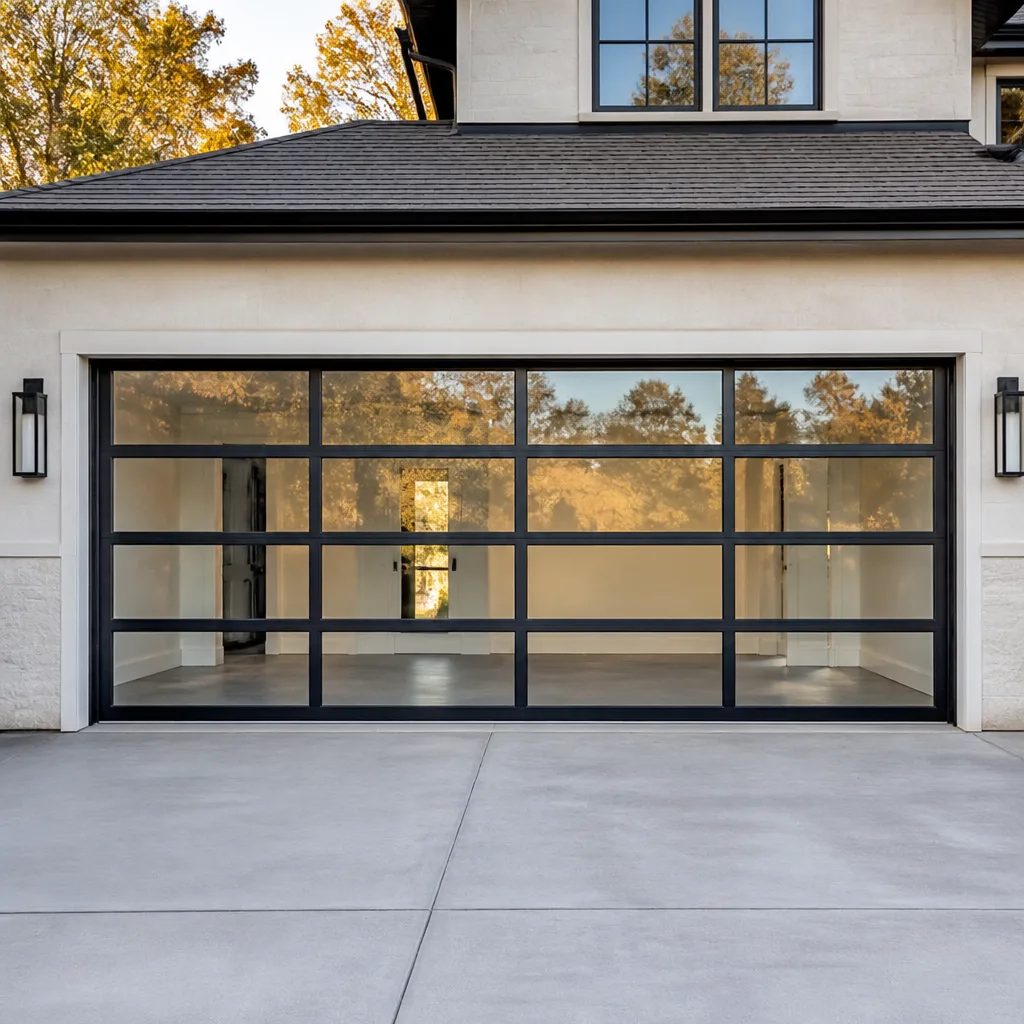 Full-view glass
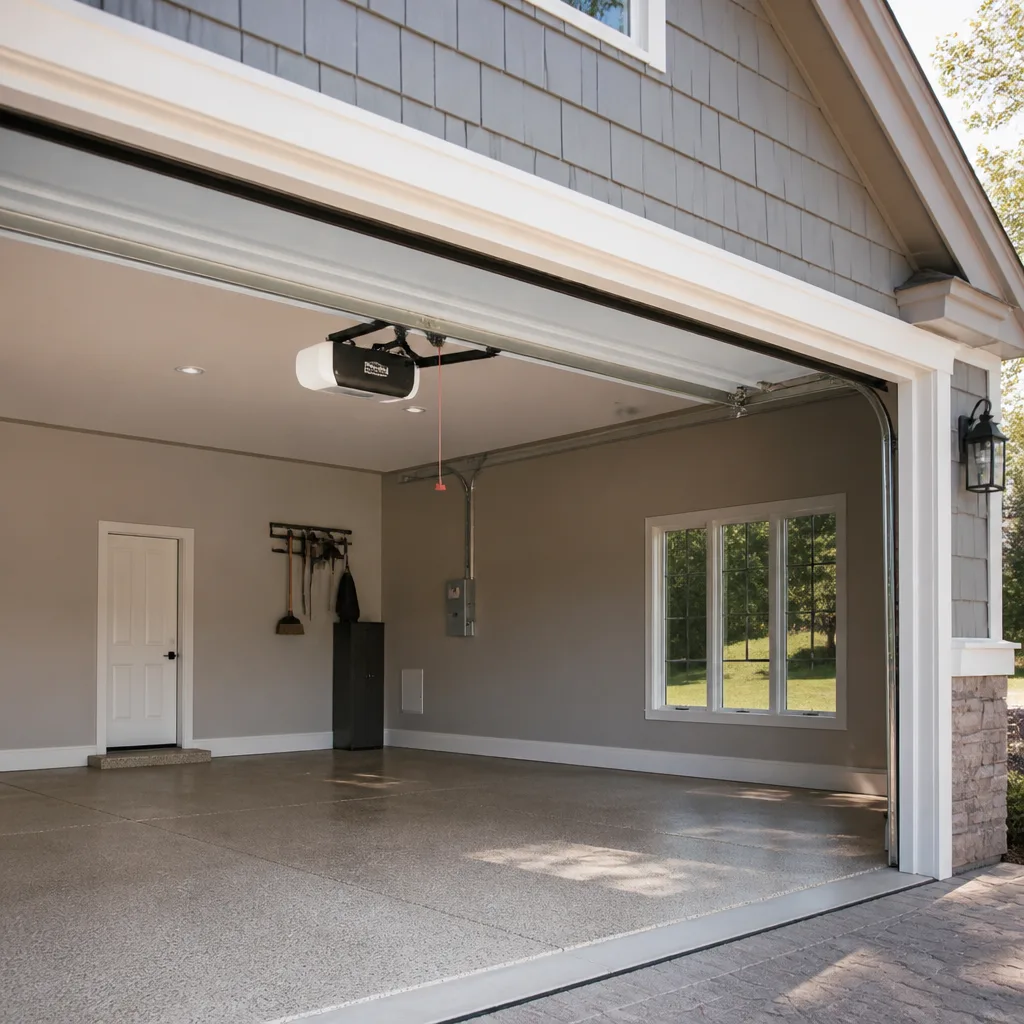 LiftMaster openers
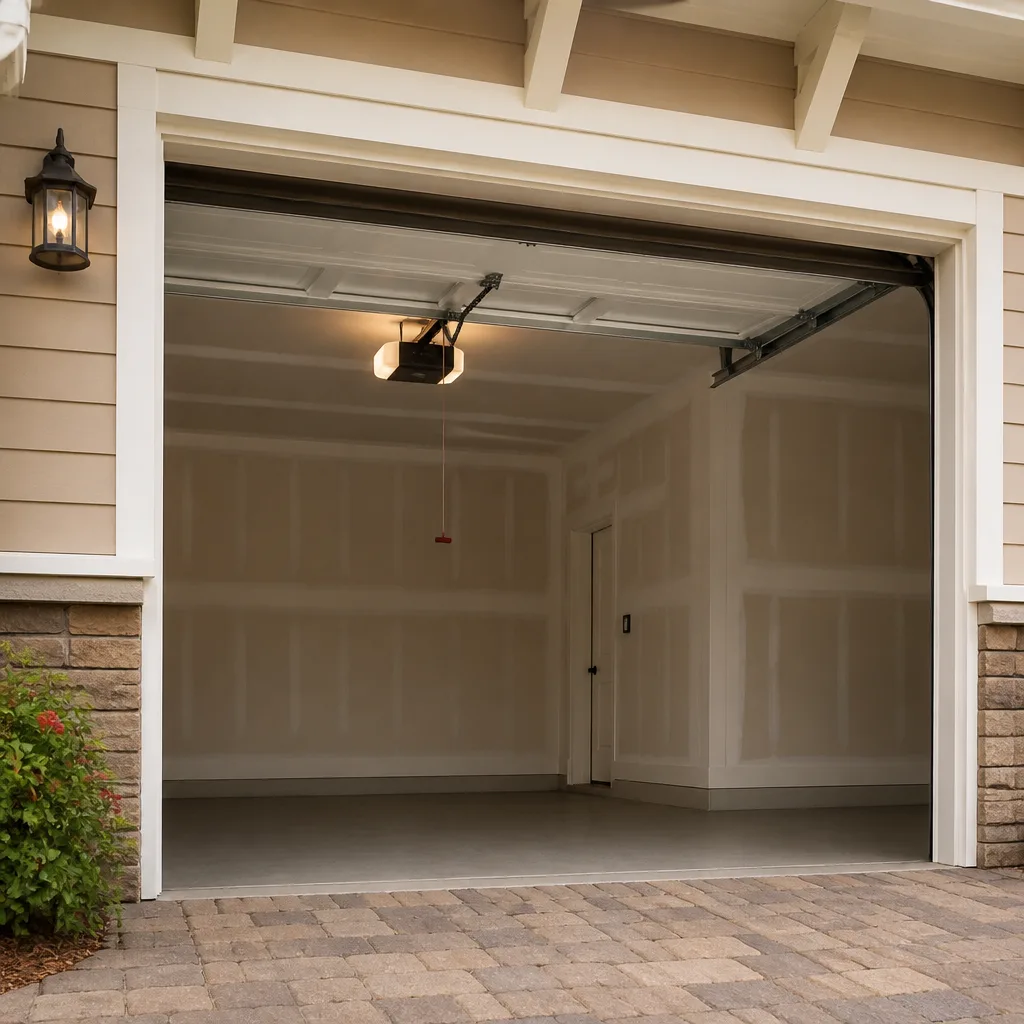 Chamberlain openers
Full 25-point door and opener safety check with every visit - springs, cables, rollers, tracks, and your LiftMaster or Chamberlain opener included
You get a price before we start. It does not change when the pro arrives.
Get your free estimateDIY vs Professional Garage Door: The Longfellow Homeowner’s Decision Guide
Here’s the part most garage door tutorials skip: a wound torsion spring stores roughly 100 foot-pounds of torque. That’s enough stored energy to break a wrist or worse if it lets go while your hands are near it. The number of videos that explain this clearly is much smaller than the number that don’t. That gap is why this guide exists. The real DIY versus professional question for a garage door isn’t about how handy you are. It’s about which specific parts of the job carry mechanical hazard high enough to change the math no matter how capable you are. We’ll draw that line component by component, so you know exactly what’s safe to tackle in your Longfellow garage and what genuinely isn’t.
Styles & brands we work with
- Raised-panel steel
- Carriage house
- Modern flush
- Full-view glass
- LiftMaster openers
- Chamberlain openers
Quick Answer
Most garage door tasks fall into three buckets. Painting panels, replacing weather seals, and programming a remote are genuinely safe to do yourself. Spring work, cable and drum work, and track realignment carry serious injury risk and belong with a trained technician. Everything in between comes down to your comfort with the specific part. If the repair involves stored tension, a wound spring, or a door that could fall, call a professional.
Table of Contents
- Where the Real DIY Line Sits
- Why Torsion Springs Are a Different Category Entirely
- Low-Clearance Garages and the Spring Question in Longfellow
- Task-by-Task: What’s DIY and What Isn’t
- Does DIY Repair Void Your Equipment Warranty?
- The Cost Math: When DIY Saves Money and When It Doesn’t
- Partial DIY: How to Lower Your Service Bill Without the Risk
- Common Mistakes to Avoid
- When to Call a Professional
- Frequently Asked Questions
- The Bottom Line
Where the Real DIY Line Sits
The garage door is a balancing act. Springs, cables, and the opener all work together to move a door that can weigh hundreds of pounds. When everything is dialed in, a small child can lift it. When something is out of balance, that same door can slam down or fly up. That stored energy is the whole story.
So the useful question isn’t “can I do this?” It’s “what happens if this part releases while my hands are near it?” For a weather seal, the answer is nothing. For a torsion spring, the answer is a trip to the emergency room.
We classify jobs by that risk, not by difficulty. A job can be technically simple and still dangerous, and a job can be fiddly and completely safe. Here’s the framing we use:
- Safe to DIY: No stored energy, no fall hazard, no way to get hurt if you follow the instructions.
- DIY-possible but risky: Doable with the right tools and patience, but a mistake can cause injury or make the problem worse.
- Professional only: Stored mechanical energy or a heavy falling object. A mistake here can seriously hurt you.
This is the same line we use when we talk to homeowners across Longfellow. Some people call us for a seal replacement and we tell them it’s a thirty-minute job they can do themselves. Others call about a snapped spring and we get a technician out the same day. The difference is the component, not the customer.
Why Torsion Springs Are a Different Category Entirely
Torsion springs are the horizontal springs mounted on a shaft above the door. They do the heavy lifting of counterbalancing the door’s weight. When a technician winds one, they’re loading it with torque so it can release that energy slowly as the door closes. An extension spring, by contrast, stretches along the track and pulls rather than twists.
The reason torsion work sits in its own risk category has to do with how the energy is stored and released. A torsion spring holds its energy in a tightly wound coil under constant tension. If it breaks or slips a winding bar, that energy releases fast and without warning. Extension springs carry energy too, but they typically run inside a containment cable that limits how far they can travel if they fail. That containment is part of why extension springs, while still risky, don’t sit in the same category as a wound torsion spring.
For Longfellow homes, this distinction matters because plenty of older garages here still run extension springs. Homeowners sometimes read a general tutorial that says “springs are dangerous” and assume their extension springs are the same job. They aren’t. And the reverse is also true: a homeowner with a modern torsion setup might underestimate what they’re looking at because a video made it look routine.
Our position is simple. Springs are not a DIY repair. The calibrations, the winding bars, and the release force all have to line up, and a trained technician handles that with the right tools and the right sequence every time. That’s why spring repair is its own named service for us rather than something we fold into general repair. See our Garage Door Repair Longfellow page for how that job runs end to end.
Low-Clearance Garages and the Spring Question in Longfellow
Not every garage in Longfellow has the headroom for a standard torsion setup. A lot of the older homes around the neighborhood have shallower garages with lower ceilings, and plenty of them were converted or added onto over the decades. When there isn’t enough clearance above the door for a torsion shaft, the door usually runs extension springs instead, or a low-headroom torsion kit.
That matters for two reasons. First, if your garage is low-clearance, the spring type you have may not be the one a general tutorial assumes. Second, low-clearance setups put different stress on cables, drums, and the opener, so a repair that would be routine in a tall garage may need a specific approach in yours.
We work on the brand you already have, and that includes knowing how Clopay and Amarr low-headroom doors are put together versus a full-clearance model. When you call, we’ll ask about your ceiling height and the spring type so the technician arrives knowing what’s in your garage. Our technicians have up to 13 years of experience, and the low-clearance jobs are the ones where that familiarity earns its keep.
If you’re not sure what you have, don’t guess from a video. Look at the springs. If they’re mounted horizontally on a shaft above the door, that’s torsion. If they run along the horizontal tracks on either side, that’s extension. That one detail changes how the repair gets handled.
Task-by-Task: What’s DIY and What Isn’t
Here’s the classification we’d give a friend. Use it to decide before you buy parts.
- Painting or refinishing panels – DIY. Cosmetic, no moving parts. Sand, prime, and paint with the door down, and follow the door maker’s paint guidance for a steel or wood door.
- Replacing weather seals – DIY. The bottom seal and side seals wear out and pop in and out with basic tools. This is one of the highest-value DIY jobs on a garage door.
- Programming a remote or keypad – DIY. Most LiftMaster, Chamberlain, Genie, and Craftsman remotes program in a few minutes. Your opener manual or a quick call to us will walk you through it.
- Replacing a remote battery or a wall button – DIY. Simple and safe.
- Adjusting a photo-eye sensor – DIY-possible. If the sensors are misaligned, gently repositioning them is usually fine. Shorted wiring or a dead sensor is a technician job.
- Oiling rollers, hinges, and tracks – DIY. A little lubricant on the moving metal parts quiets a lot of doors.
- Replacing rollers – DIY-possible but risky. The door is under tension and a roller swap can shift the door. We’d rather you didn’t.
- Track realignment – Professional. Tracks carry the door’s weight and a bent track can drop the door.
- Cable and drum replacement – Professional. Cables are under extreme tension and can snap. This is a serious injury risk.
- Torsion or extension spring replacement – Professional. Stored energy, high torque, and a fast release if something slips. No exceptions.
- Opener logic board or motor replacement – Professional. Wire it wrong and you can burn out the opener. Our garage door opener repair service covers the motor, logic board, remote, and sensors on the brand-name units.
- Full door replacement – Professional. Measuring, ordering, and installing a new door is a scheduled job, not a weekend project. See our garage door installation page.
Notice that the list doesn’t split evenly by difficulty. It splits by consequence. A weather seal is easy and safe. A spring is hard and dangerous. The gap between them is where the DIY decision actually gets made.
Does DIY Repair Void Your Equipment Warranty?
Sometimes, and it depends on the brand and the part. Manufacturer warranty language on garage doors and openers typically covers defects in materials and workmanship, and it usually doesn’t cover damage caused by improper installation or third-party service. In practice, that means a repair that goes wrong on your own could leave you without warranty coverage on the part you touched. A repair done by a trained technician generally keeps your existing coverage intact.
Brand details vary, so it’s worth checking your paperwork before you start. Chamberlain and LiftMaster opener warranties both spell out what’s covered and what isn’t, and the exclusions around unauthorized service are worth reading. On the door side, Clopay and Amarr warranty documents cover the door and its finish separately, and finish warranties in particular have conditions about how the door is maintained and repaired.
Here’s a simple way to check before you touch anything:
- Find the model number on the door or opener and pull the warranty document for that exact model.
- Read the exclusions section. That’s where “improper installation or repair” clauses live.
- Note whether the part you’re replacing is still under warranty. If it is, that changes the math.
- If you’re not sure, call the manufacturer or a local specialist before you start.
Your opener has a model number. We know what it means. When you call us, we can tell you in a couple of minutes whether a repair is likely to affect your coverage, and that saves you from guessing wrong.
The Cost Math: When DIY Saves Money and When It Doesn’t
This is where the DIY decision gets practical. For some repairs, buying the part and handling it yourself saves real money. For others, the part costs nearly as much as a service call, and you take on the labor and the risk for almost nothing. Here’s the honest breakdown for the five most common repairs in Longfellow.
| Repair | DIY reality | Professional reality | Verdict |
|---|---|---|---|
| Weather seal replacement | $20 – $50 in parts | $120 – $250 service call | DIY makes sense if you’re comfortable on a ladder |
| Remote or keypad programming | Free (you already own the remote) | Usually bundled into a service call | DIY, always |
| Roller replacement | $30 – $60 in parts, moderate risk | $150 – $300 | Professional if the door is under tension |
| Opener logic board or motor | $80 – $200 in parts, plus diagnosis | $200 – $450 | Professional, unless you’re sure of the diagnosis |
| Torsion spring replacement | $40 – $80 for one spring, high injury risk | $180 – $340 per spring, a pair roughly double | Always professional |
A note on that spring row. The typical price for a spring repair in Longfellow runs roughly $180 to $340 for one spring, and a matched pair is usually replaced together, so a pair costs about twice that. Yes, the spring itself is cheap. The job is not. What you’re paying for is the calibrated winding, the right bars, and the guarantee that the door comes down slow and even every time.
Now the parts-versus-call math. On a weather seal or a remote, DIY wins clearly. On a roller or an opener board, the part is usually a third to half of the professional price, which means you’re taking on real work for a moderate savings. On springs, the numbers don’t favor DIY at all, because the risk isn’t priced in. That’s the whole point of the classification. The repairs where DIY saves the most are the ones where it’s safest. The repairs where DIY is most dangerous are the ones where the savings are smallest.
If you want a written number for your specific door, we’ll give you one before any work starts. The price is quoted and agreed before anything gets touched. Our garage door repair page lays out how our estimates work.
Partial DIY: How to Lower Your Service Bill Without the Risk
This is the middle path that a lot of guides skip. You don’t have to choose between doing everything yourself and doing nothing. Plenty of jobs get cheaper when the homeowner handles the safe, easy parts before or after a technician visit.
Here’s what that looks like in practice:
- Clear the garage floor and the path to the door. A clean work area lets a technician get to the problem fast. It’s the simplest thing you can do to avoid time on the clock.
- Gather your model numbers. The door model on the sticker and the opener model on the motor housing save diagnosis time and help the technician bring the right parts.
- Replace the weather seal yourself. It’s the single best DIY job on a garage door, and it doesn’t require a technician at all unless the seal channel is damaged.
- Program your own remote afterward. If the technician replaces an opener or a remote, ask for the model number and program the spare remotes yourself.
- Handle the painting or touch-ups after the repair. Cosmetic work never needs the technician, so don’t pay for it in a service visit.
- Look before you call. A door that won’t close may just have a misaligned photo-eye or a dead remote battery. That’s a two-minute fix, not a service call.
What partial DIY does not include is anything under tension. Don’t try to “help” with a spring, loosen a cable, or pull a track back into place before the technician arrives. Leave those alone. A partially disassembled door is more dangerous for everyone, and it can make the actual repair take longer.
We offer free estimates in Longfellow, so there’s no cost to ask. Call (855) 658-4110 and we’ll tell you honestly whether a job is worth doing yourself.
Common Mistakes to Avoid
- Treating a torsion spring like an extension spring. They store and release energy differently, and the safety equipment is different. Longfellow garages have both, so know which type you have before you touch anything.
- Buying a spring without matching the size and wind. Springs are sized to the door’s weight and cycle rating. An undersized or oversized spring can cause the door to slam or fly up, and it wears out faster.
- Working under a door that’s not fully down or safely supported. A door held open by an opener alone can drop if the spring or cable lets go. Never put your hands or body under a door that’s only held by the opener.
- Forcing a bent track back into shape. Track realignment is a weight-bearing job. Forcing it can kink the track further or drop the door on you.
- Ignoring the warning signs of a failing spring. A gap in the spring, a door that feels heavy halfway up, or a loud bang from the garage are all signs. Stop using the door and get it looked at.
- Assuming the warranty will still cover a botched repair. Check your paperwork first. Chamberlain, LiftMaster, Clopay, and Amarr each have their own language, and the exclusions are the part that matters.
- Calling for a full door replacement when you need a repair. A stuck or noisy door isn’t always a new-door job. Get a diagnosis before you buy, and if the door is genuinely at the end of its life, get a written measure and quote rather than guessing at it.
When to Call a Professional
Call a professional when a spring is broken or you see a gap in it, when a cable is frayed or snapped, when the door comes off the track, when the opener runs but the door doesn’t move, or when the door feels unusually heavy. Those are the listed danger signals. Also call if the door is off balance or if a repair would put you under or next to a door that could fall. And call if you’ve started a repair and aren’t sure you can finish it safely. A partially done job can be more dangerous than a broken door.
For a full new door, the timeline is different. That’s a measured, ordered, and scheduled job, so it’s worth calling early to get the measuring done. Garage Door Repair Longfellow offers free estimates in Longfellow. Call (855) 658-4110 and we’ll give you a written price before any work starts.
Frequently Asked Questions
No. A torsion spring holds enough stored energy that a slip can cause serious injury, and the calibrations have to be exact. There’s no safe DIY version of this repair, and the price to have it done typically runs $180 – $340 per spring, with a matched pair about twice that. Call (855) 658-4110 for an exact quote – estimates are free.
It can, depending on the brand and the part. Chamberlain, LiftMaster, Clopay, and Amarr warranty documents all have exclusions around improper or unauthorized repair, and finish warranties have their own conditions. Check the exclusions on your exact model before you start, or call us and we’ll help you read them.
Painting panels, replacing weather seals, programming a remote or keypad, changing a remote battery, and lubricating rollers and tracks are all safe. Anything involving springs, cables, drums, or a door under tension is not. If a repair has stored energy in it, that’s the line.
Most repairs run somewhere between $150 and $450, depending on the part and the door. Spring replacement is typically $180 – $340 for one spring, and a matched pair costs about twice that. The written estimate sets the final price, and we agree it with you before any work begins.
Yes. We offer emergency garage door service for stuck doors, broken springs, and openers that stop responding. Call (855) 658-4110 and give us the door model, the opener model, and what the door is doing. We’ll get a technician out as fast as we can and quote the price before the work starts.
No. We give you a written price before any work starts, and that’s the price. If we discover something that genuinely changes the job, we’ll talk it through with you and get your agreement before we go further, never surprise you on the invoice.
Start simple. Check the disconnect cord on the opener, the photo-eye sensors, and the remote battery first. If those are fine and the door still won’t move, it’s likely a spring, cable, or opener fault, and that needs a technician. Programming and sensor alignment you can handle; diagnosis of a fault is a service call.
The Bottom Line
The DIY decision on a garage door comes down to the component, not your confidence. Paint panels, replace seals, and program remotes yourself, because there’s no consequence if something goes wrong. Leave springs, cables, tracks, and opener internals to a trained technician, because there is. The cost math backs this up: the safest jobs are also the ones where DIY saves the most, and the most dangerous jobs are the ones where the part costs almost as much as the service call anyway. If you’re not sure where a job falls, call and ask. That costs nothing.
If you’re in Longfellow and want a straight answer about your door, Garage Door Repair Longfellow is here. We handle repair, opener repair, spring replacement, and full new-door installation across LiftMaster, Chamberlain, Genie, Clopay, Amarr, Wayne Dalton, Craftsman, and Raynor systems. Call (855) 658-4110 for a free estimate and a written price before any work starts.
Written by the team at Garage Door Repair Longfellow.
See the difference
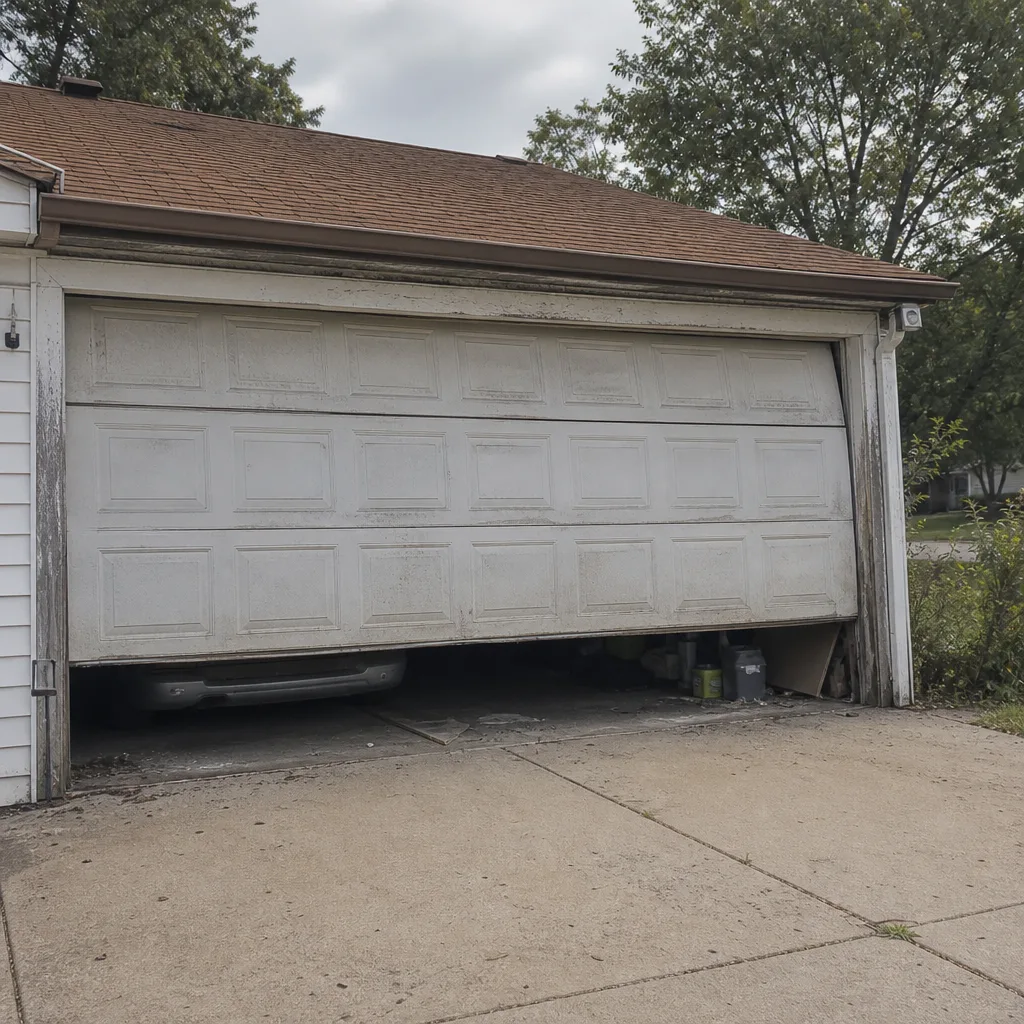 Before
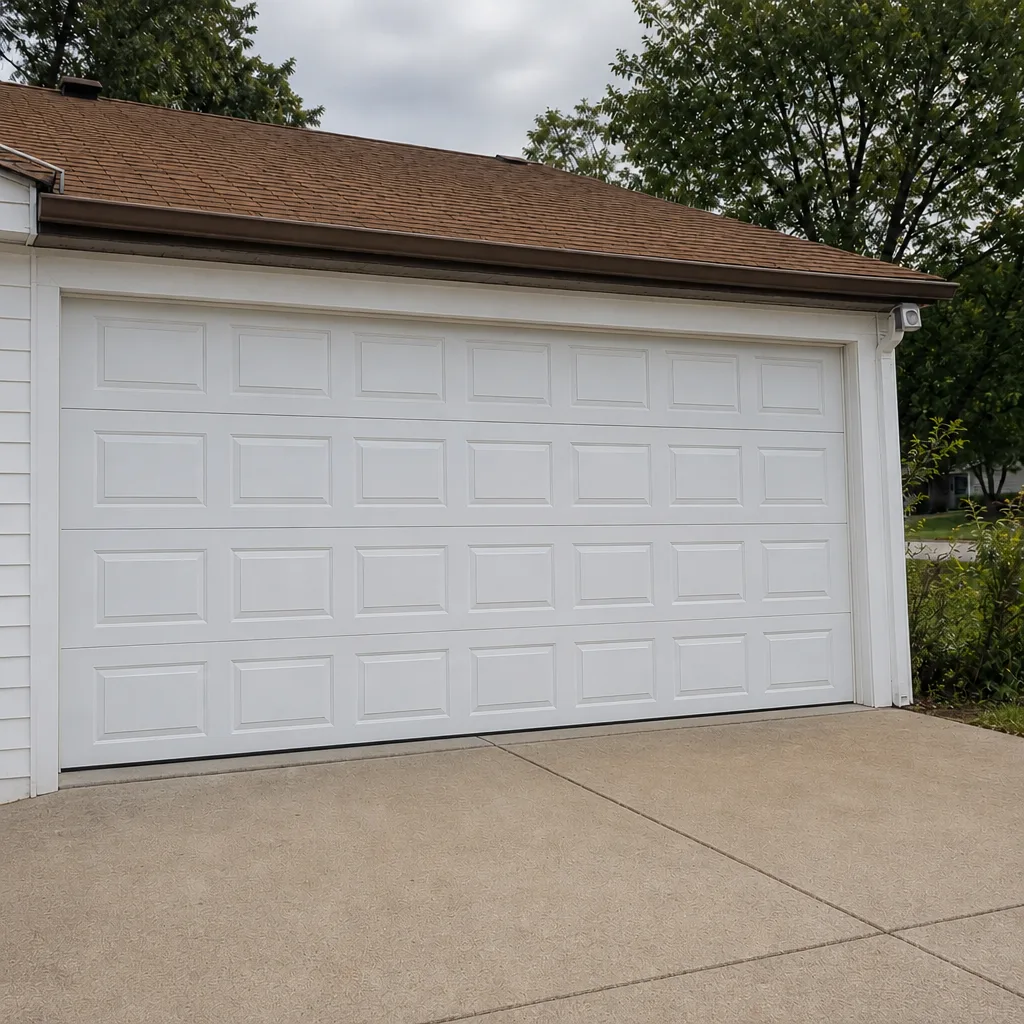 After
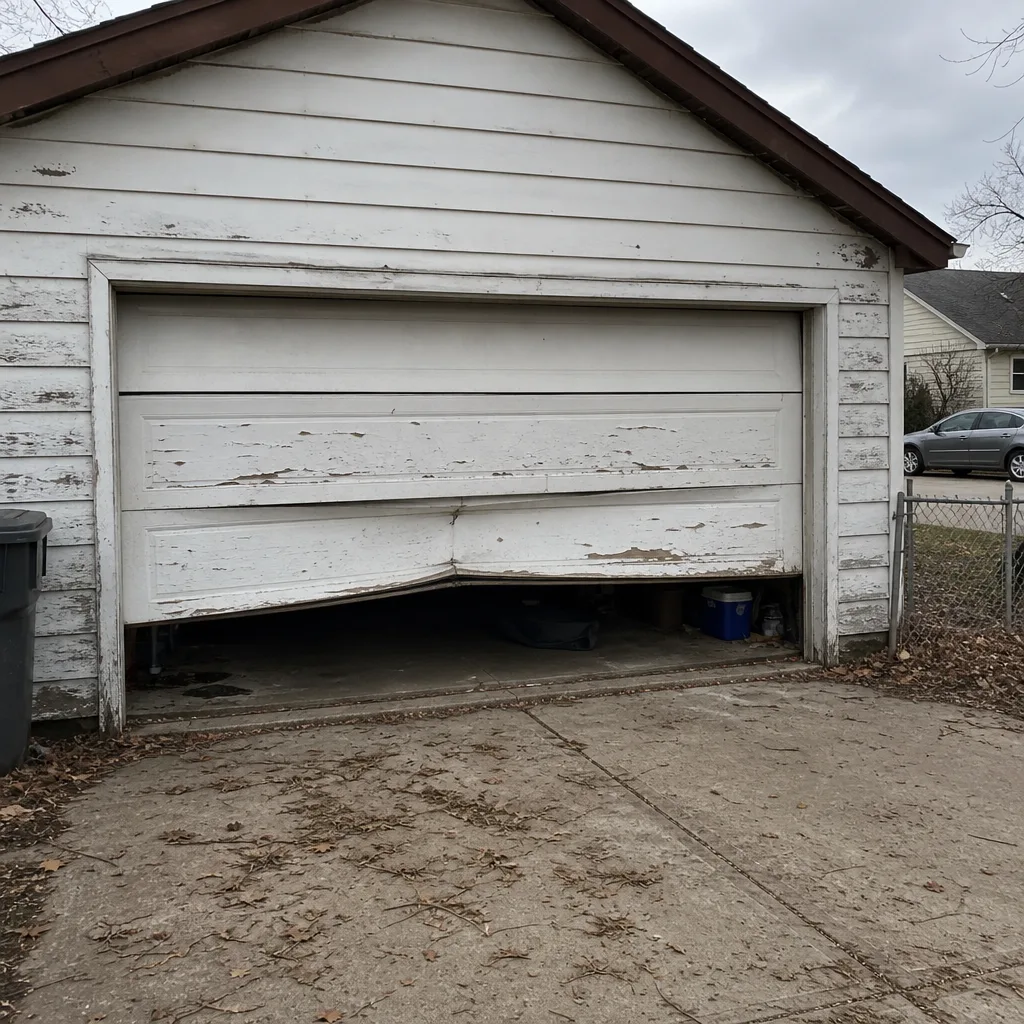 Before
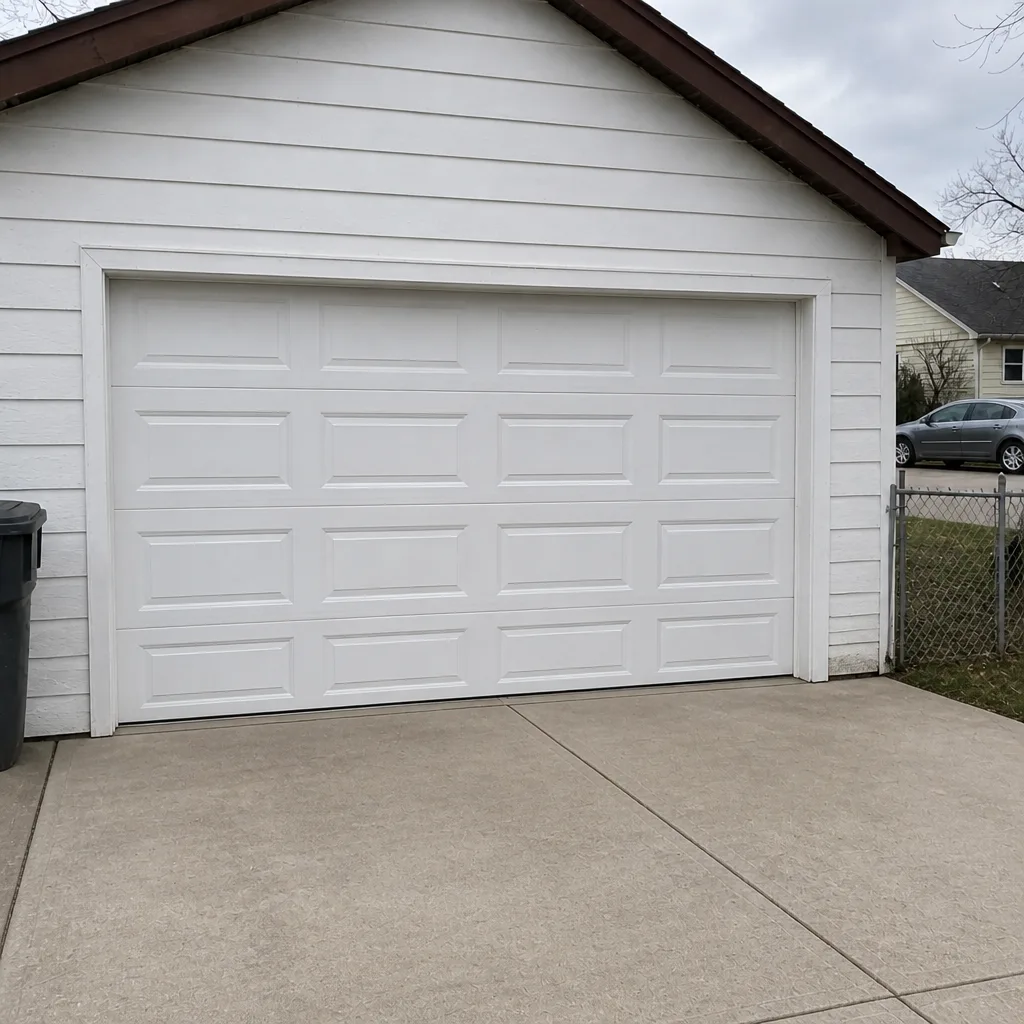 After
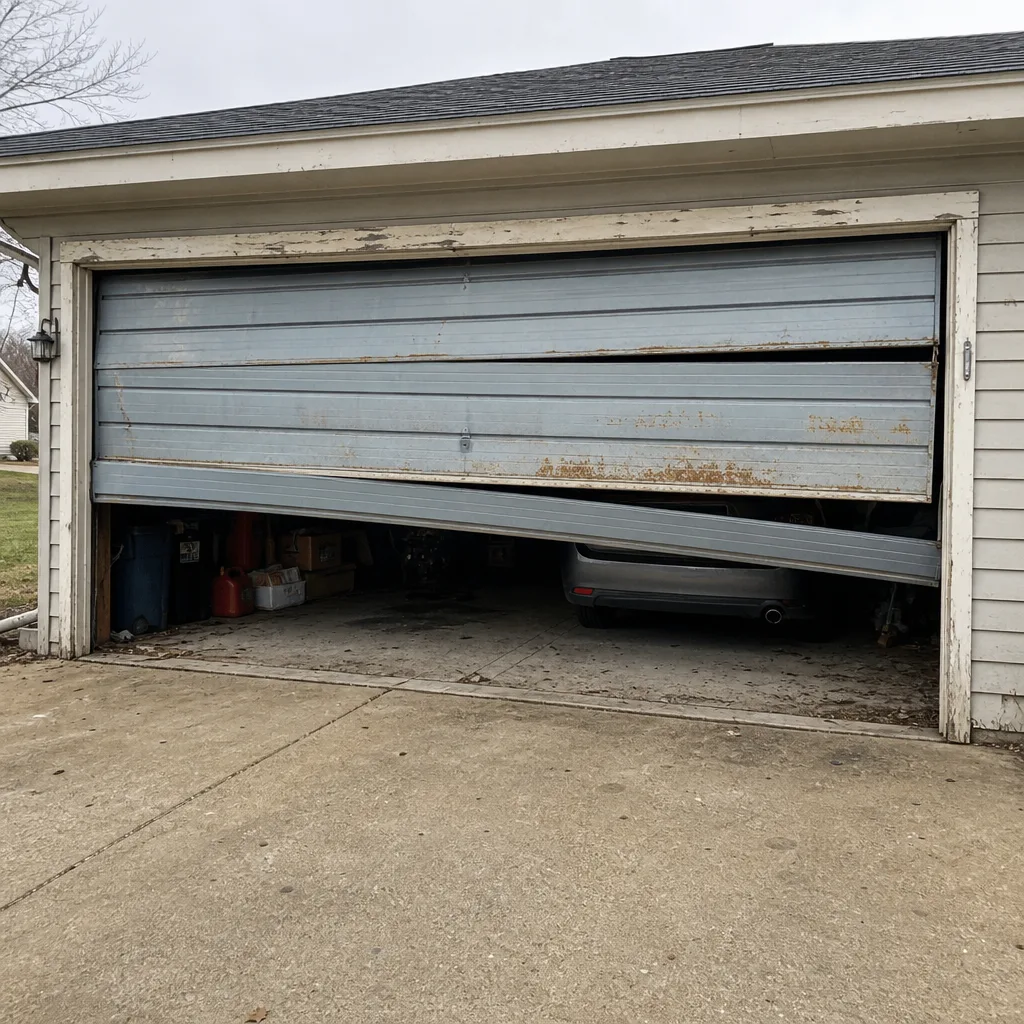 Before
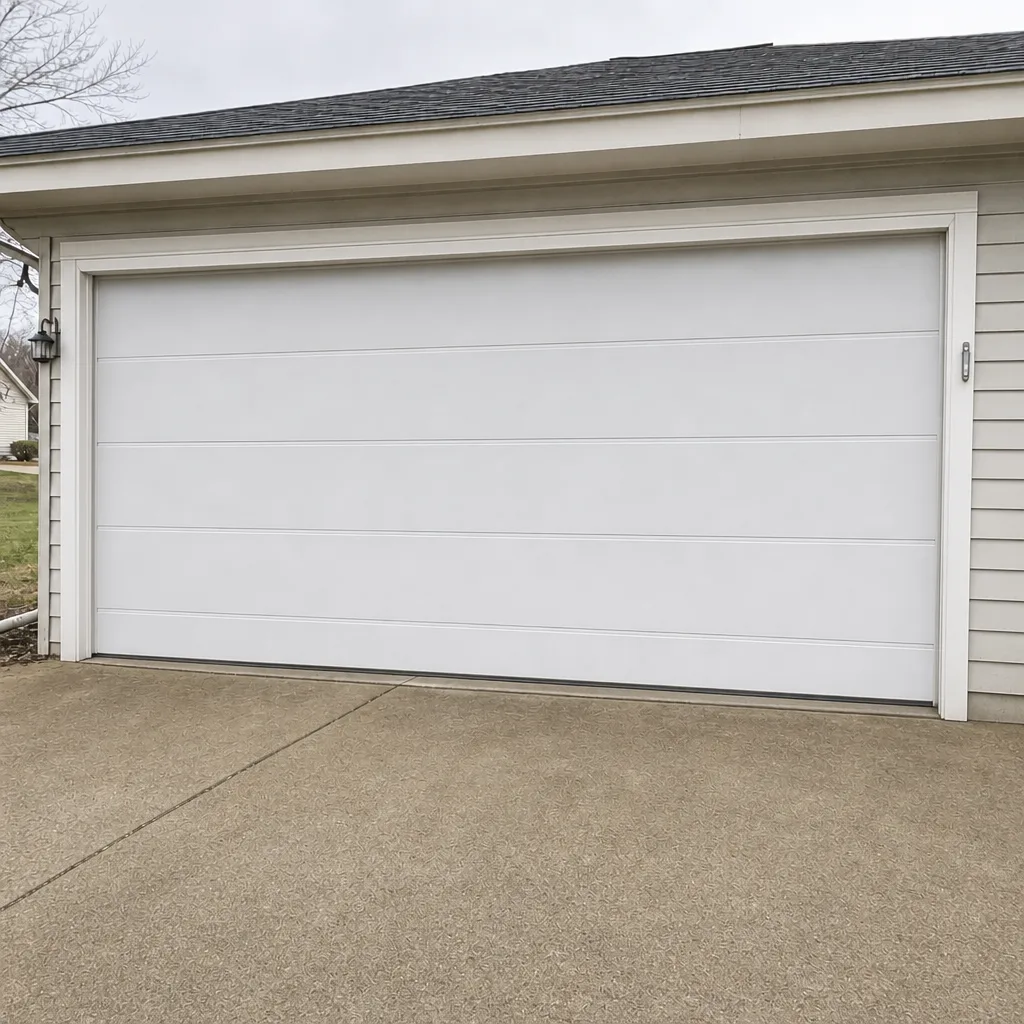 After