Last updated November 21, 2026
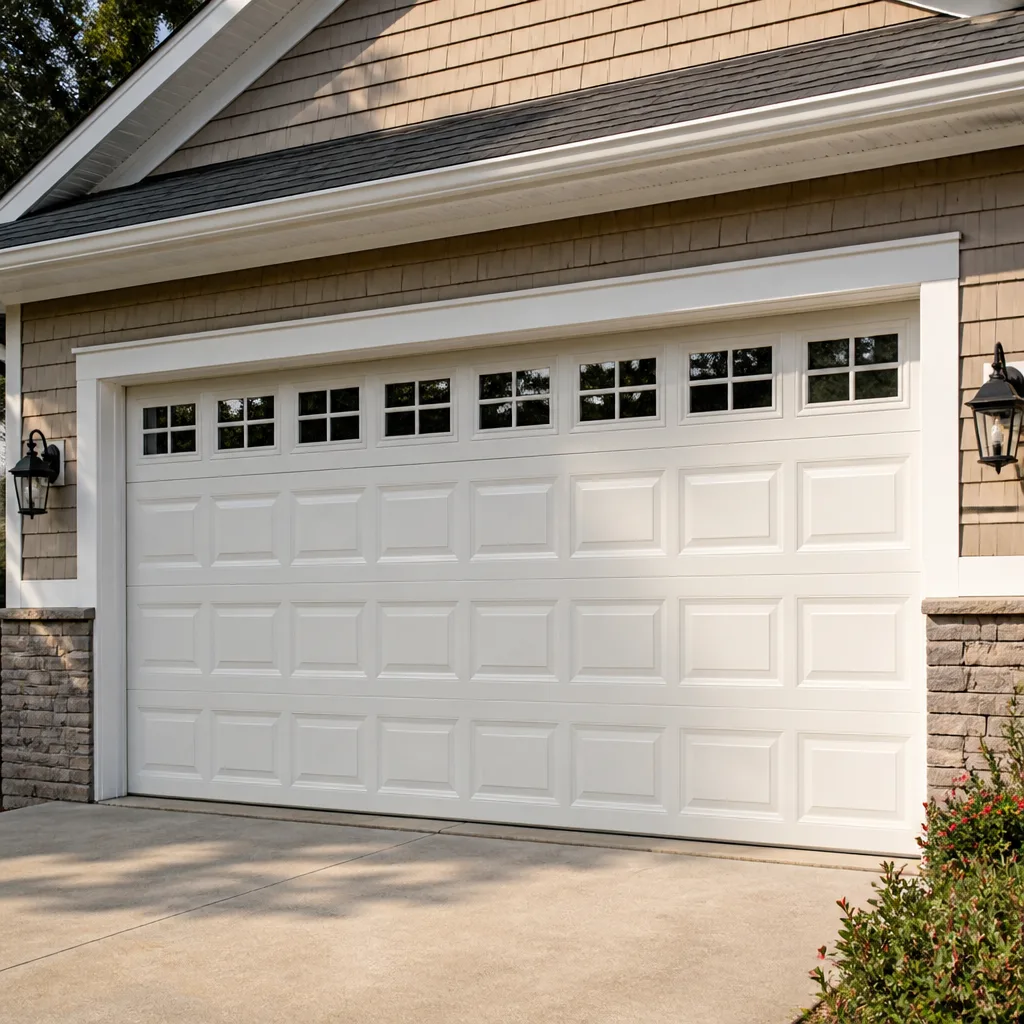 Raised-panel steel
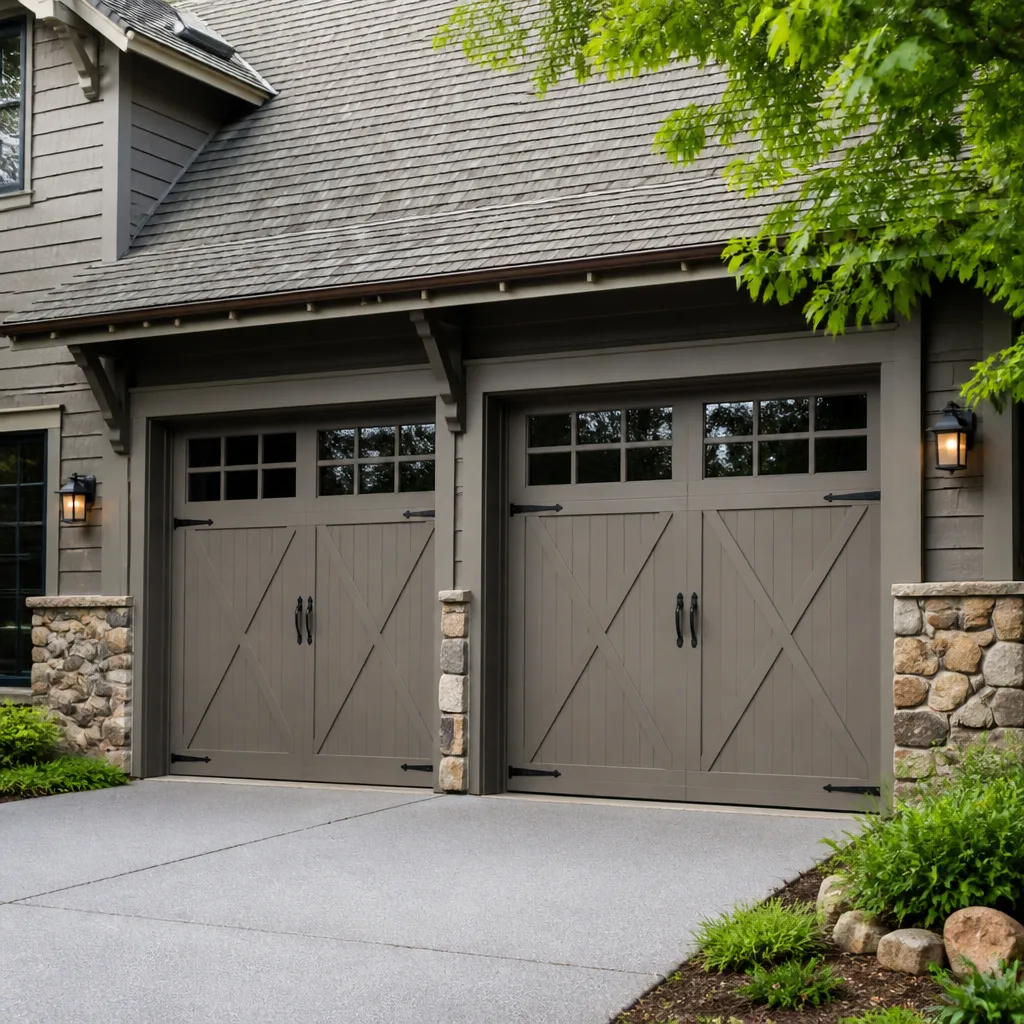 Carriage house
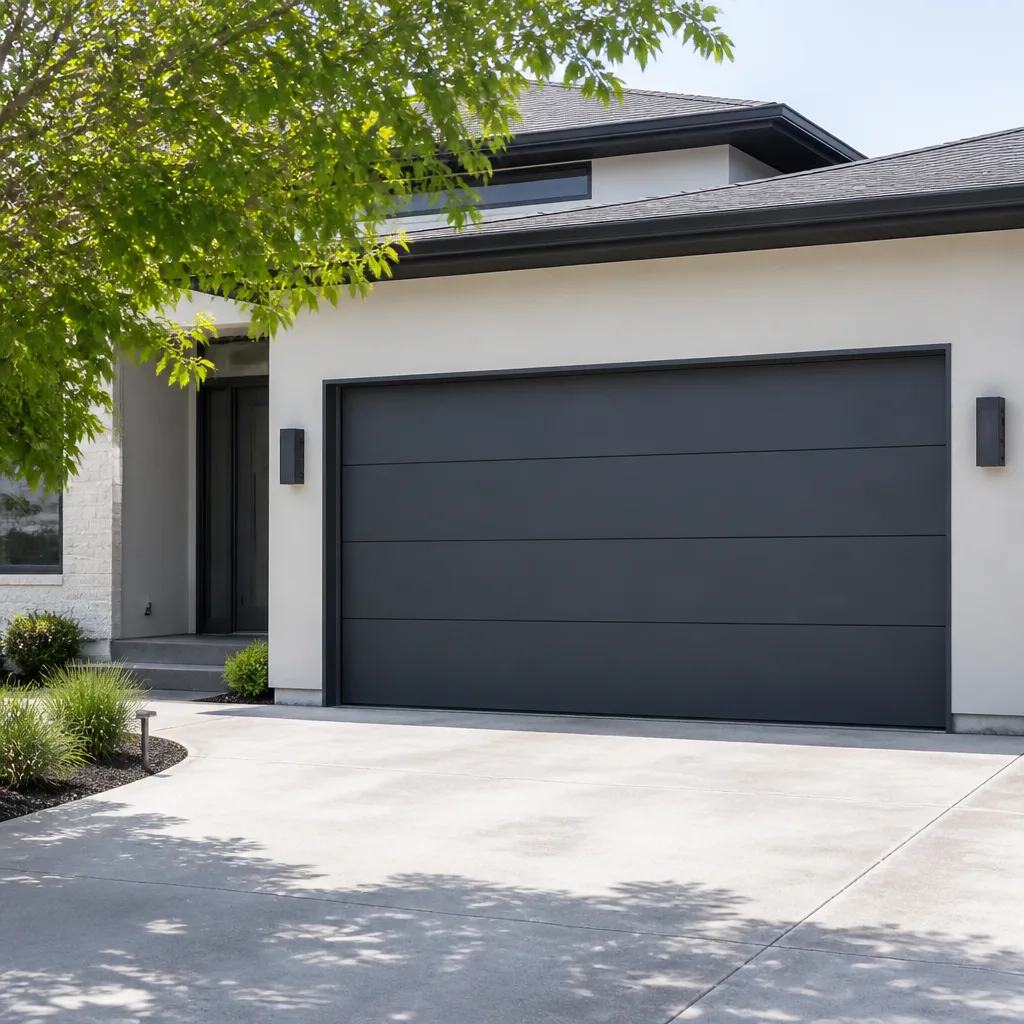 Modern flush
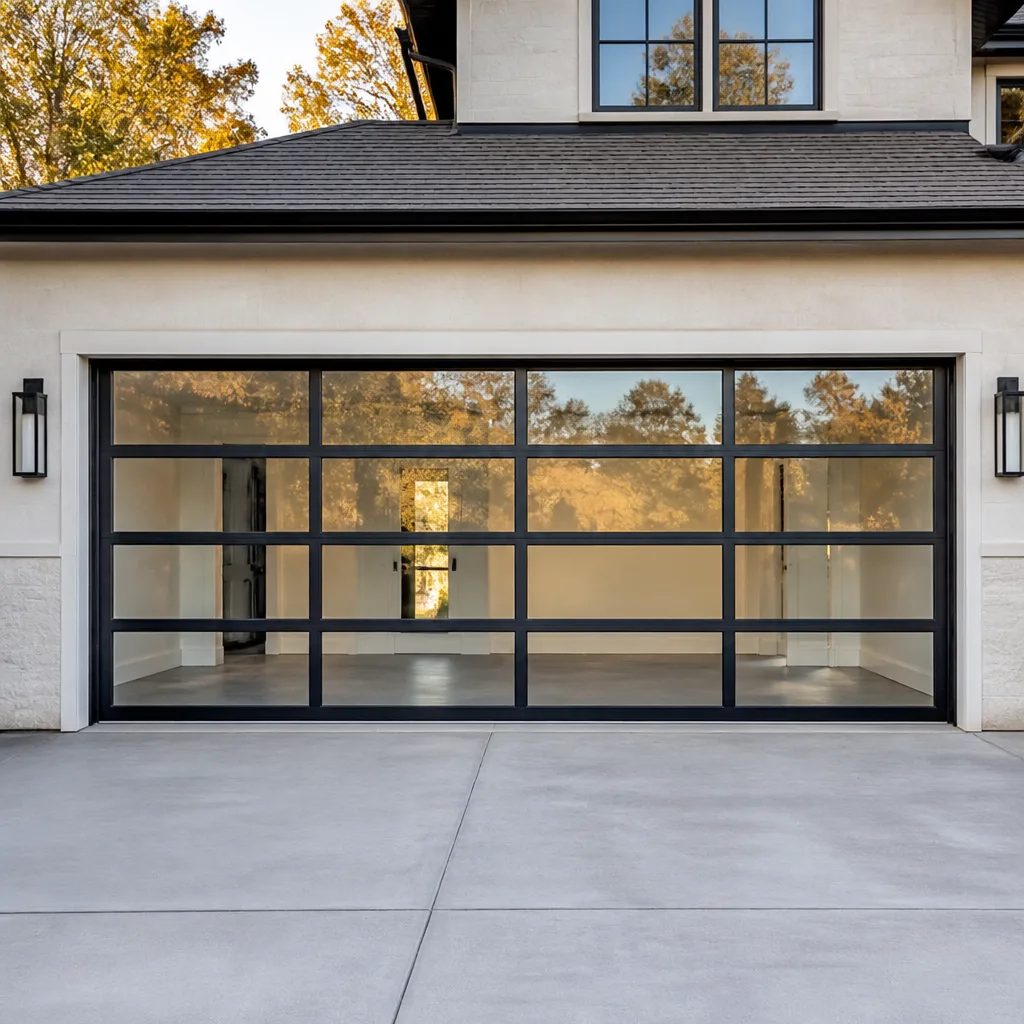 Full-view glass
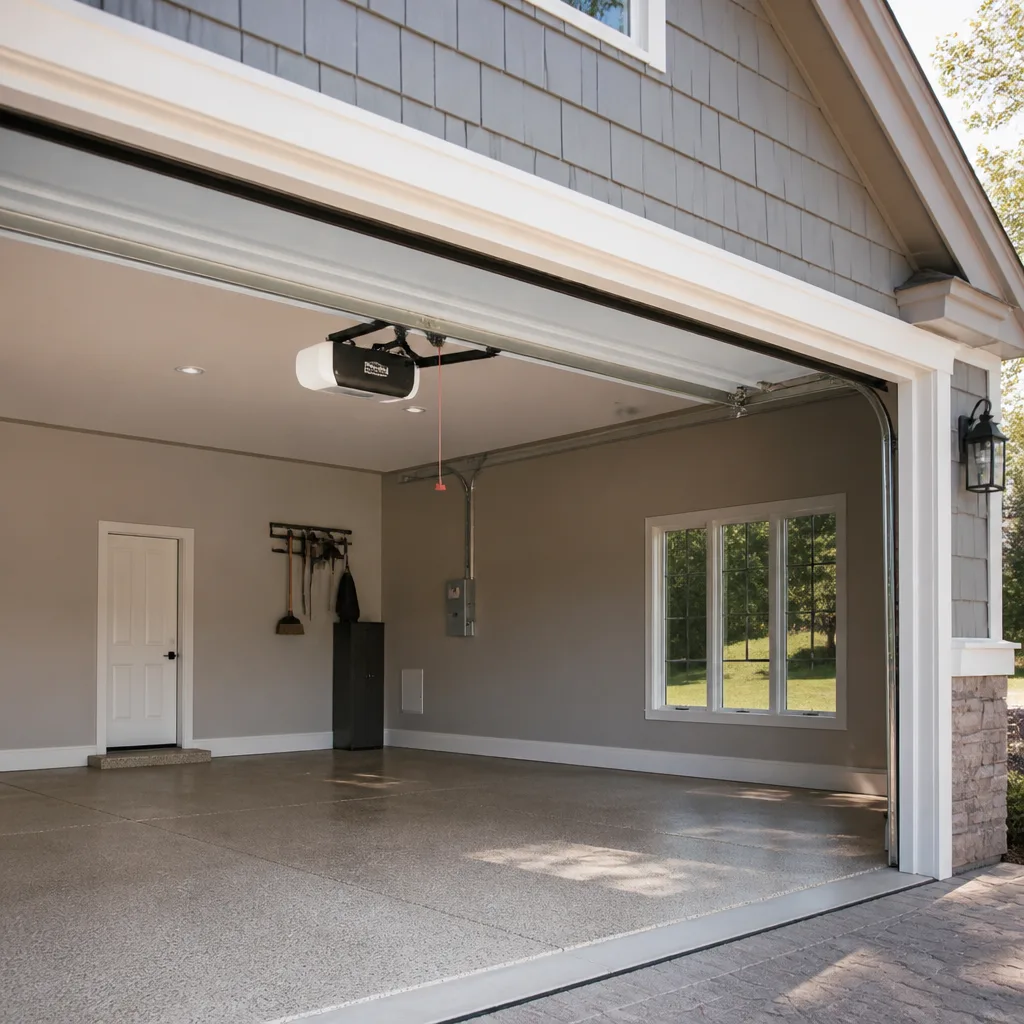 LiftMaster openers
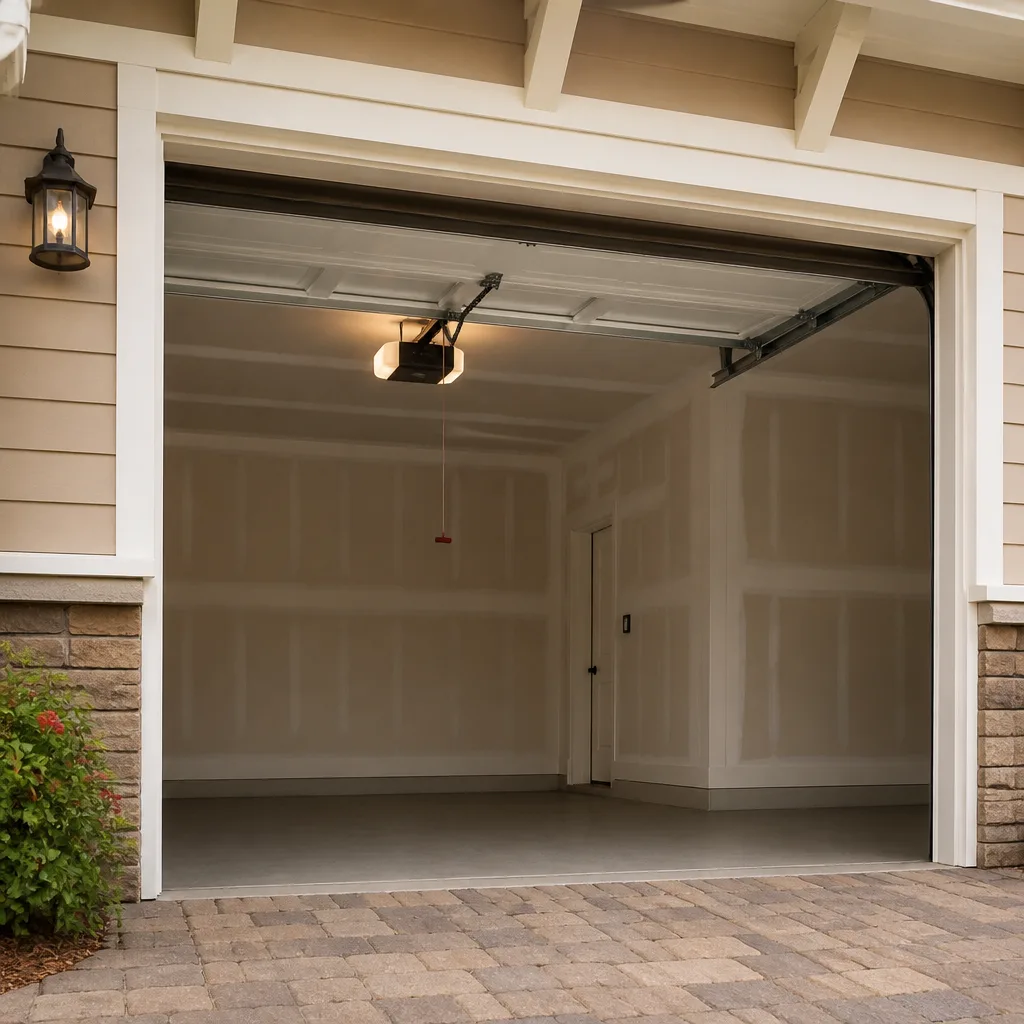 Chamberlain openers
Full 25-point door and opener safety check with every visit - springs, cables, rollers, tracks, and your LiftMaster or Chamberlain opener included
You get a price before we start. It does not change when the pro arrives.
Get your free estimateGarage Door Cost Breakdown: The Longfellow Homeowner’s Reference for 2026
Most garage door cost guides quote a national average and move on. That number is useless when you’re standing in your Longfellow driveway staring at a snapped torsion spring. The national average for spring replacement is cited as $150 – $350 on most home improvement sites, but the actual range for a double-spring system on a two-car door in the Minneapolis metro in 2026 starts higher, and for specific reasons worth understanding: labor rates here, the age of the housing stock, and how material gets to the job. This guide breaks down what five common garage door service calls actually cost in Longfellow, why the same job can vary by hundreds of dollars, and how to read an estimate so you know whether you’re paying for better parts or just more margin.
Quick Answer
A torsion spring replacement on a standard two-car door in Longfellow typically runs $280 – $520 for a matched pair in 2026, cable repair runs $150 – $280, and a new opener install lands between $350 – $750 depending on horsepower and brand. New door installation runs $1,200 – $4,500 depending on size, insulation, and whether the opening is standard or needs modification. The written estimate you receive before work starts is the final price.
Styles & brands we work with
- Raised-panel steel
- Carriage house
- Modern flush
- Full-view glass
- LiftMaster openers
- Chamberlain openers
Table of Contents
- The Five Most Common Garage Door Service Calls in Longfellow
- How Longfellow’s Housing Stock Changes the Price
- What Drives Price Variation Within the Same Job Type
- How to Read a Garage Door Estimate
- Total Cost of Ownership: When Paying More Pays Back
- Why Springs and Cables Aren’t a DIY Repair
- Minnesota Requirements and the Longfellow Job
- Frequently Asked Questions
The Five Most Common Garage Door Service Calls in Longfellow
Ninety percent of the calls we route in Longfellow fall into five categories. Here’s what each one typically costs in 2026, broken down by labor and materials so you can see where the money goes.
1. Torsion Spring Replacement
The most common call, and the one with the widest range. A torsion spring stores enough energy to lift a two-car door many times its own weight. When it lets go, the door won’t open and often won’t close safely.
- Single spring replacement: $180 – $340 typical in Longfellow
- Matched pair (standard for two-car doors): $280 – $520 typical
- High-cycle spring upgrade: add $60 – $150 per spring
Most two-car doors in Longfellow run a matched pair of torsion springs, and replacing them together is standard practice. Replacing one spring and leaving the other is a recipe for a second call within a year, since both springs have lived the same number of cycles. That’s why the pair price is the number most homeowners actually pay.
2. Cable Repair
Cables run from the bottom corners of the door up to the drums on the torsion shaft. They fray, snap, or slip off the drum. A snapped cable on one side means the door hangs crooked and can bind in the track.
- Single cable replacement: $150 – $280 typical
- Both cables (recommended when one fails): $220 – $400 typical
Cables are usually replaced in pairs for the same reason springs are. The second cable has the same wear.
3. Opener Replacement
Opener replacement is one of the more straightforward jobs in the trade, but the price swings on horsepower and features. A basic chain-drive unit costs far less than a belt-drive with battery backup and smart-home integration.
- Chain-drive, 1/2 HP, standard: $350 – $500 installed
- Belt-drive, 3/4 HP, quieter: $450 – $650 installed
- Premium belt-drive with battery backup and smart features: $550 – $750 installed
Brand affects availability and price. We work on the brand you already have, and we’re factory-familiar with LiftMaster, Chamberlain, Genie, and Craftsman opener lines specifically, which means we know the mounting pattern and logic board layout before we arrive. That’s part of why opener repair and replacement in Longfellow can usually be scheduled without a return trip.
4. Panel Replacement
A dented or rusted bottom panel is a common Longfellow repair, especially on doors that face a driveway with snow piled against them in winter. Panel replacement is priced by panel, not by door, and depends on whether the panel is still in production.
- Single bottom panel, in-production brand: $250 – $500 typical
- Single panel, discontinued line: $400 – $700 typical, when a match can be sourced
- Section replacement with matching color and profile: $350 – $650 typical
Clopay and Amarr panels are generally easier to match because those lines have long production runs. A door from a shorter-run brand sometimes can’t be matched exactly, and the honest answer is that a full door replacement may cost less than chasing a discontinued panel.
5. New Door Installation
New installation is a scheduled, measured job, not an emergency repair. It’s priced by door size, insulation, material, and whether the opening is standard.
- Single-car, uninsulated steel: $1,200 – $1,900 installed
- Single-car, insulated steel: $1,600 – $2,400 installed
- Two-car, insulated steel: $2,000 – $3,500 installed
- Two-car, insulated with premium hardware or carriage-house style: $2,800 – $4,500 installed
Longfellow’s older housing stock sometimes adds to these numbers. More on that below.
How Longfellow’s Housing Stock Changes the Price
Longfellow’s residential blocks were mostly built between the 1940s and the 1970s, and that matters for garage door pricing in a way national average guides never mention. New-construction installs are predictable: standard 16-foot by 7-foot openings, standard headroom, standard electrical rough-in. An older Longfellow garage is rarely that cooperative.
Here’s what we run into and what it does to the number:
- Non-standard opening dimensions. Many Longfellow garages were framed before the 16-by-7 standard became dominant. An opening that’s an inch or two off in either dimension means the door is a custom cut. Expect $150 – $400 added for a custom-sized door.
- Low headroom. Garages built in the 1940s and 1950s often have less vertical clearance above the opening. A low-headroom torsion setup or a low-headroom track costs more in parts and more in labor time to fit.
- Weakened framing. Wooden jambs and headers from mid-century construction have had decades to move and rot. If the framing needs sistering or a jamb replacement before the new door can be hung, that’s carpentry time. Budget $100 – $300 on top for minor framing.
- Electrical. If the opener needs a new outlet or the existing wiring predates grounded service, an electrician has to do that piece. We don’t do the electrical work, and we’ll tell you when you need one.
The upshot is that the same two-car insulated door that runs $2,800 in a new-build subdivision can run $3,400 or more in a Longfellow garage that needs a custom size and a low-headroom track. The written estimate after a measure is the only number that matters, and we won’t quote a firm install price before we’ve measured the opening.
What Drives Price Variation Within the Same Job Type
Two homeowners on the same block can pay very different prices for what sounds like the same spring job. That’s not a pricing trick. Three variables explain most of it.
Spring cycle rating
Torsion springs are rated by cycle count: roughly how many open-close cycles they’re expected to survive. A standard spring in the 10,000-cycle range costs less than a high-cycle spring in the 20,000 – 30,000 range. That’s a real price difference, and the higher-cycle spring is a genuine material upgrade, not a sales line. Whether it’s worth paying for depends on how often the door runs.
Opener horsepower and drive type
Openers come in 1/2 HP, 3/4 HP, and 1 HP tiers, and in chain, belt, and screw-drive configurations. Each step up adds cost. A belt-drive unit is noticeably quieter and generally more durable in a cold climate, which is worth weight if the garage shares a wall with your living space. A basic chain-drive is fine for a detached garage.
Brand parts availability
The eight brands we’re trained on aren’t treated equally by the parts market. Some brands have deep aftermarket support and an in-production panel that ships in days. Others have lines that get discontinued, and matching a color or profile becomes a hunt. If your door or opener is a Raynor or Wayne Dalton line that’s been discontinued, expect either a longer wait or a different price. We’ll say which one before you commit, not after.
How to Read a Garage Door Estimate
A higher quote doesn’t automatically mean a better job, and a lower quote doesn’t automatically mean you’re getting the short end. What matters is whether the estimate is itemized and whether the price is fixed before work starts. Use this checklist when you compare quotes in Longfellow:
- Is it itemized? Labor, parts, and any disposal should be listed separately. A single lump-sum number is a red flag because you can’t see what you’re paying for.
- Are the spring cycle ratings stated? A quote that names the cycle rating is confident about the material. A quote that just says “spring replacement” is hiding the tier.
- Is the brand of replacement parts named? If the estimate doesn’t say which opener or door brand is going in, ask. The wrong brand means a harder future repair.
- Is it a fixed price or an estimate range? A fixed price after a measure is the good sign. A range means the final number is still open.
- Does it include haul-away and recycling of the old door or opener? A missing disposal line is either an oversight or a hidden add-on later.
- Is the price agreed before work starts? It should be. We quote, you agree, then work begins. No surprises at the invoice.
If a quote is high, ask what’s in it. A higher price is justified by higher-cycle springs, a better-balanced track, a lower-noise opener tier, or extra labor from a non-standard opening. If the estimator can’t explain the difference, the margin is the difference. That’s the honest read on whether a quote reflects material quality or just a bigger markup.
Total Cost of Ownership: When Paying More Pays Back
Paying more upfront isn’t always the right call. Sometimes it is, and sometimes it’s money spent on a door that runs a few times a week. Here’s the honest math on where the upgrade pays back.
Higher-cycle springs
A standard spring rated in the 10,000-cycle range on a door that runs six times a day will need replacement in a few years. A high-cycle spring in the 20,000 – 30,000 range roughly doubles or triples that lifespan for $60 – $150 per spring. If your garage is your main entrance and the door runs every day, the upgrade pays for itself. If the door is on a detached garage you open a couple of times a week, the standard spring is fine and the upgrade is wasted money.
Insulated door sections
Insulation adds real cost to a new door, often hundreds of dollars on a two-car install. It pays back in two ways: a more comfortable garage in summer and winter, and a quieter door because the insulated panel absorbs vibration. If your garage is attached and you use it as working space or a gym, insulation is worth it. If it’s a detached unheated garage, the payback is mostly the quieter operation, not the thermal value.
Belt-drive openers
A belt-drive opener costs $100 – $200 more than a chain-drive unit of similar horsepower. Belt drive is quieter and generally has fewer wear points in cold weather. If the garage shares a wall with a bedroom, the belt upgrade pays back in sleep. If it’s across the yard, chain drive is the better value.
Where the math doesn’t pay back
Premium smart features, integrated cameras, and high-end carriage-house styling on a single-car detached garage in Longfellow rarely pay back in resale value. The door is a functional part of the house. Spend money on the parts that wear out: springs, cables, rollers, and the opener drive. Skip the features that don’t.
Why Springs and Cables Aren’t a DIY Repair
Torsion springs store enough mechanical energy to cause serious injury when they release unexpectedly. Cables under tension can snap with enough force to break bones or worse. This is not a walk-through for how to do it yourself. It’s an explanation of why we don’t recommend it and what a trained technician does instead.
What a proper spring or cable job involves, safely:
- The door is put in a locked, fully closed position so the counterbalance is loaded in a known state.
- The torsion system is de-tensioned with the correct winding bars, in a controlled sequence, one quarter-turn at a time.
- The old springs or cables are removed and the new ones set to matched tension so the door lifts and lowers evenly.
- The door is tested for balance (it should hold position partway up) and the opener is re-tensioned to lift comfortably.
- Safety features are re-checked: the reversal sensor, the force limits, and the door travel limits.
What can go wrong when this is done without the right tools and without training: the winding bar slips out under load, the door slams, the spring winds into a coil that lets go at speed, or the tension is set wrong and the door drops. We’ve been called to Longfellow homes where a homeowner tried a spring replacement and got hurt or damaged the door. That repair often costs more than the original job would have.
Springs and cables are not a DIY repair in Longfellow or anywhere else. A trained technician gets the job done in a single visit with the door balanced and the safety sensors verified. That’s the part you’re paying for when you call for spring repair.
Minnesota Requirements and the Longfellow Job
Minnesota’s cold winters are hard on garage doors in specific ways that affect cost. The freeze-thaw cycle is the big one. A door that opens and closes reliably in October can bind in January as the metal contracts, the track flexes slightly, and the bottom seal freezes to the concrete. That’s not a defect in the door. It’s the climate, and the repair is usually a seal replacement, a track adjustment, or a lubrication schedule rather than a major rebuild.
What that means for Longfellow pricing:
- Winter service calls tend to be more frequent because the freeze-thaw cycle stresses springs and cables harder, and cold-weather failures are common. That’s not a sales pitch, it’s what the season does.
- Insulated doors cost more and matter more here than in warm-climate markets. An insulated door reduces ice buildup on the inside face and keeps the garage warmer, which shortens the freeze-thaw stress on the whole system.
- Bottom seals and weatherstripping wear out faster, and replacing them is a small line item, typically under $150, that prevents bigger problems.
Permits: most cities require a permit for a new garage door installation, particularly when the opening size or the structural framing changes. Longfellow falls under the City of Minneapolis. If your install involves resizing or reframing the opening, check with the city’s building department before work starts; a licensed installer will usually handle the permit pull, but the homeowner should confirm it’s happening. Repair work like spring or cable replacement typically doesn’t require a permit. When in doubt, ask the city. We don’t do the permitting and inspection work; that’s between you, the installer, and the city.
For a repair rather than an install, the question usually isn’t permitting. It’s whether you can get a technician to your door before the garage stays frozen shut for a week. That’s where emergency service matters. Emergency garage door service is part of what we offer in Longfellow, for doors that are stuck open, stuck closed, or structurally compromised. If your door fails on a Sunday or in the middle of a cold snap, call and we’ll work out the earliest slot.
Common Mistakes to Avoid
- Replacing one spring when both are worn. The second spring has cycled the same number of times as the one that failed. Replacing only one usually leads to a second service call within a year, which means paying twice. Replace the pair.
- Choosing an opener by price alone. A cheap chain-drive is fine for a detached garage and a poor fit for a bedroom-adjacent attached garage. Pick the drive type for the location, not the price tag.
- Ignoring the bottom seal through winter. A worn seal lets snowmelt and freeze into the bottom of the opening and stresses the door on every lift. Replace it before the cold, not after the door starts hanging up.
- Assuming a national average applies to Longfellow. The 1940s – 1970s housing stock here means non-standard openings and low headroom are common. A national average quote often under-estimates the Longfellow job.
- Skipping the measure for an install. A firm install quote without an actual measure of the opening is a guess. Get the measure before you sign, and make sure the written price reflects what was measured.
- Letting a single panel replacement cascade. Chasing a discontinued panel on a shorter-run brand can cost more than a full door replacement. Ask the estimator which is the better value before you commit.
- Not confirming what the estimate includes. Haul-away, disposal, and post-install testing should be in writing. If they aren’t spelled out, they aren’t included.
See the difference
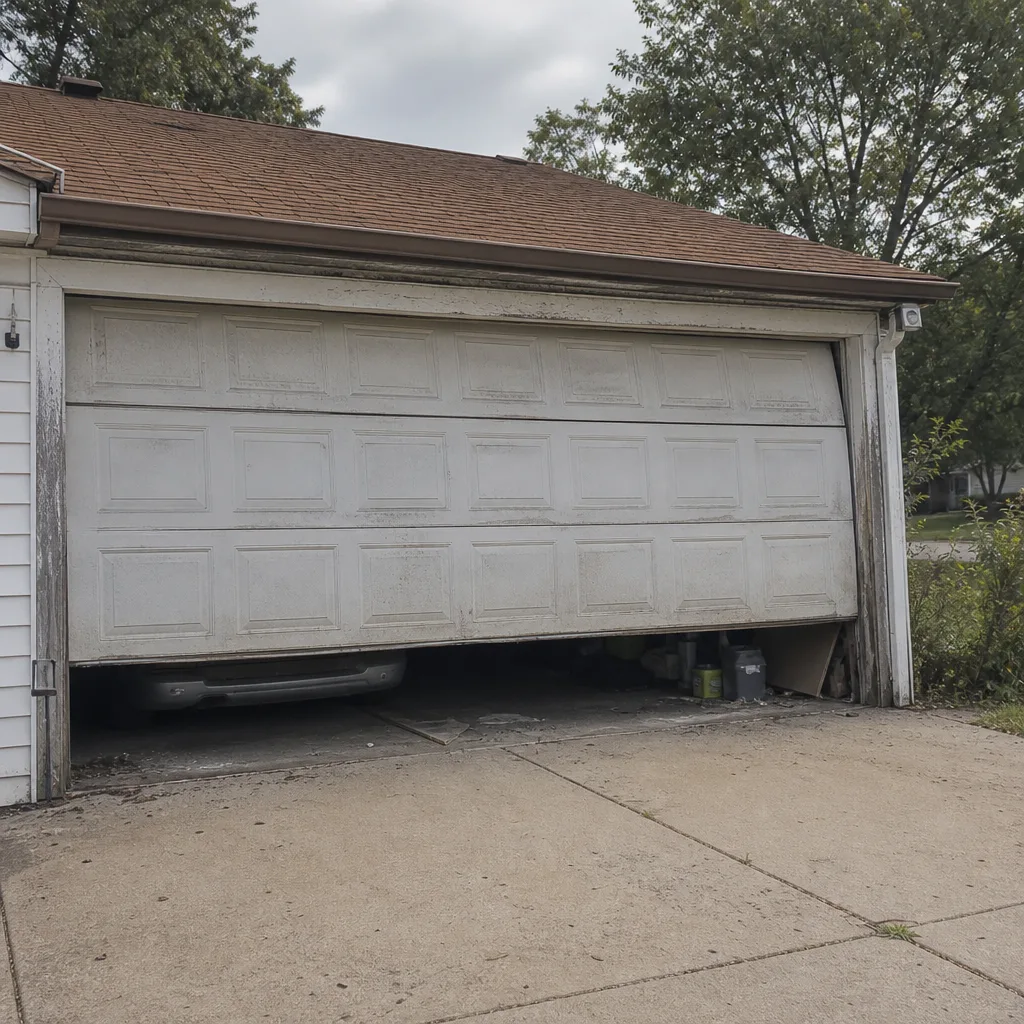 Before
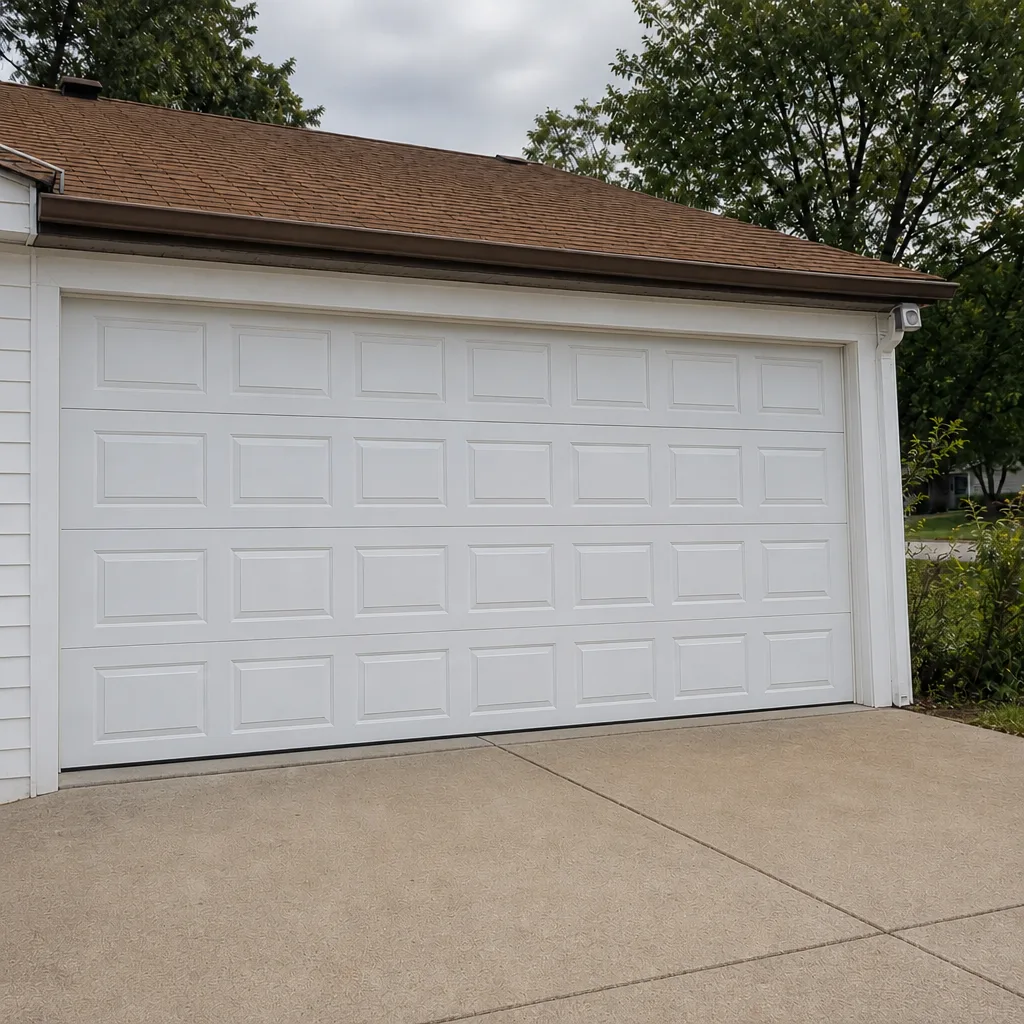 After
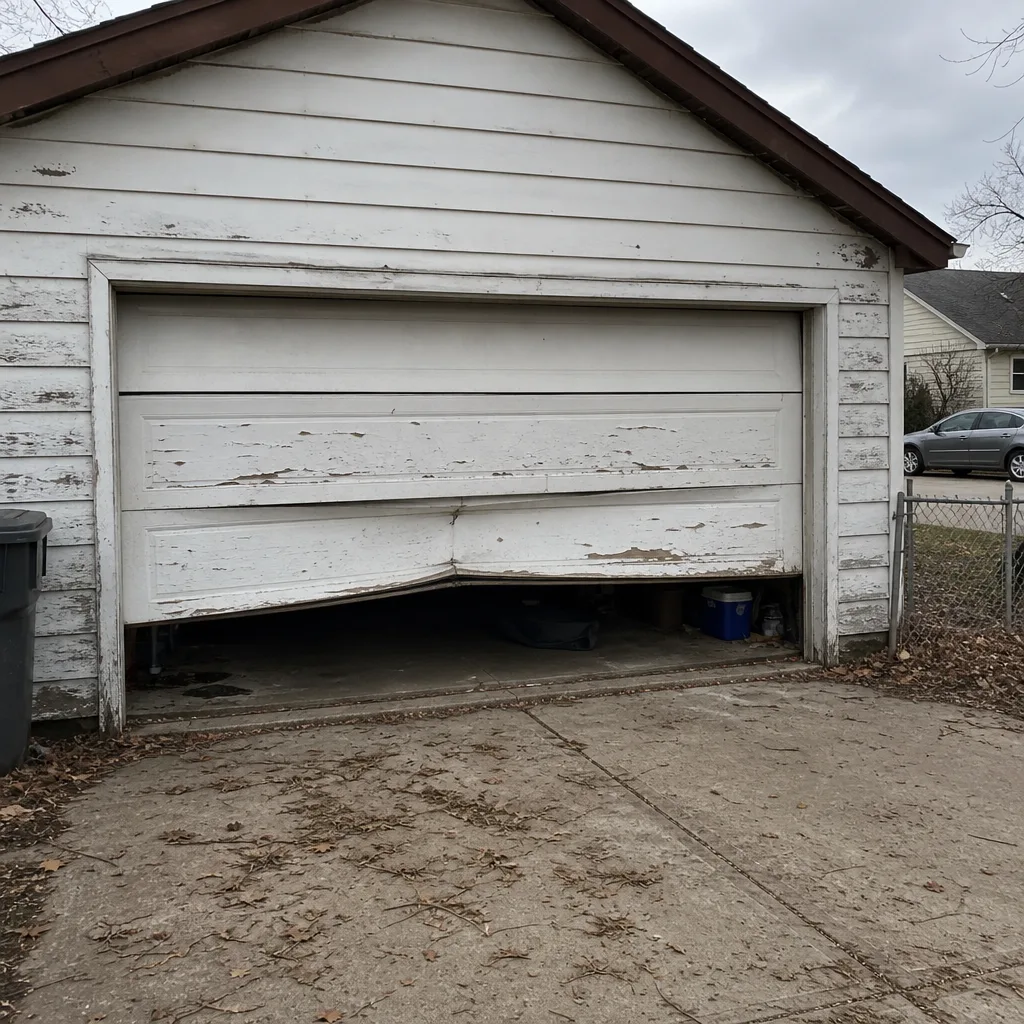 Before
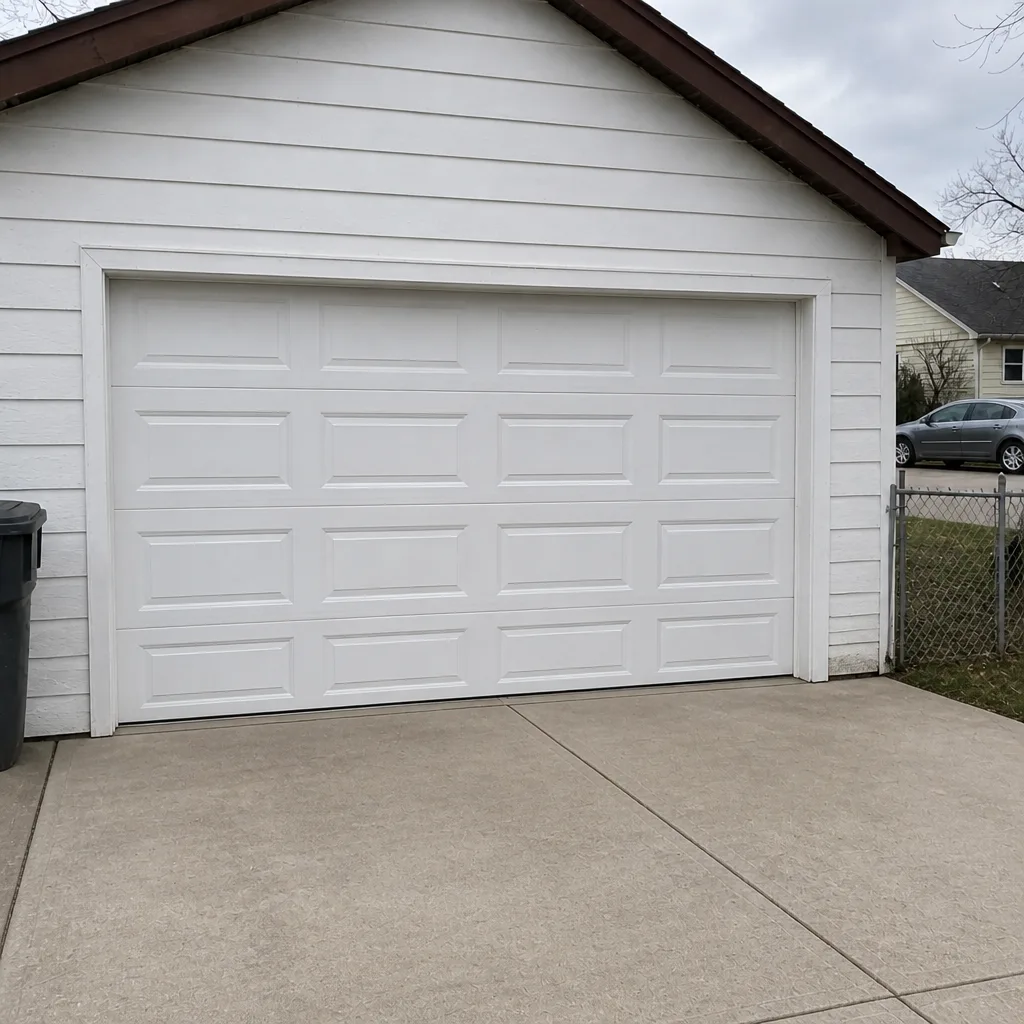 After
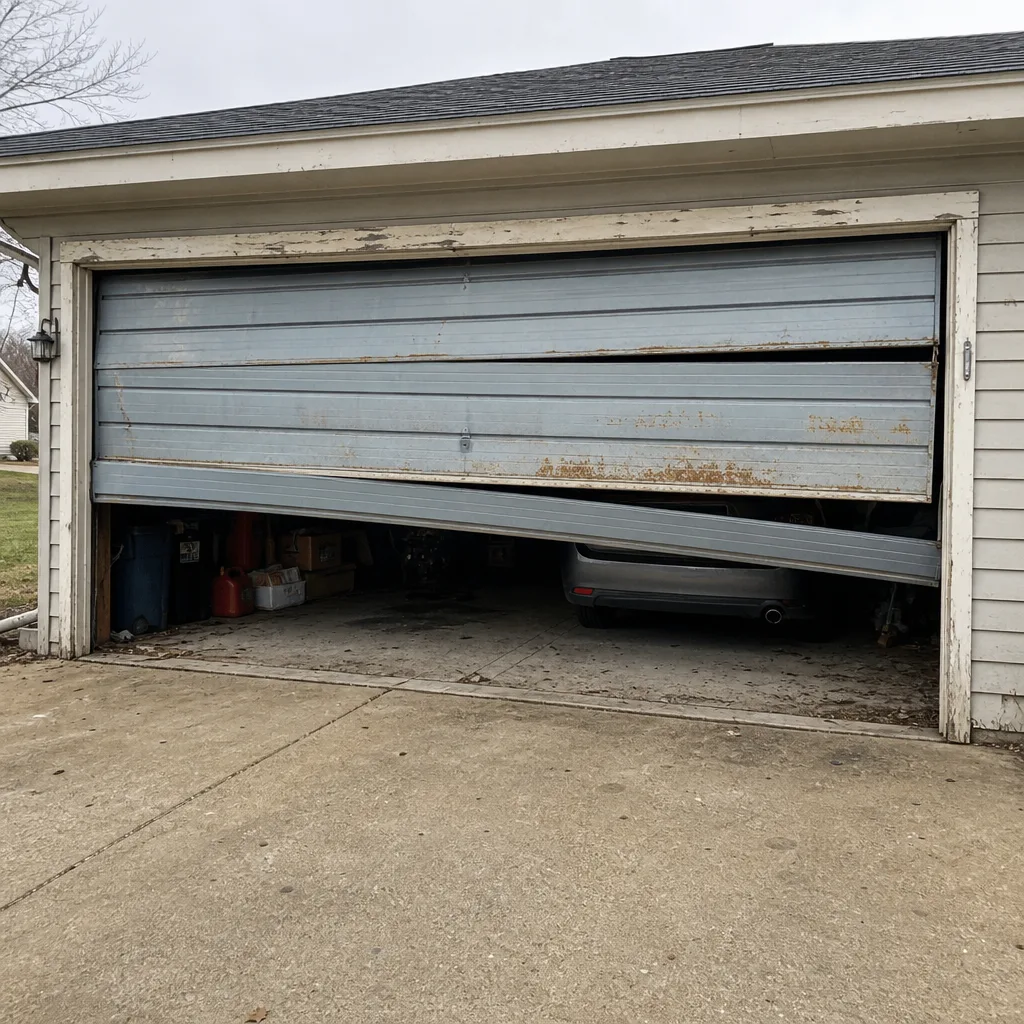 Before
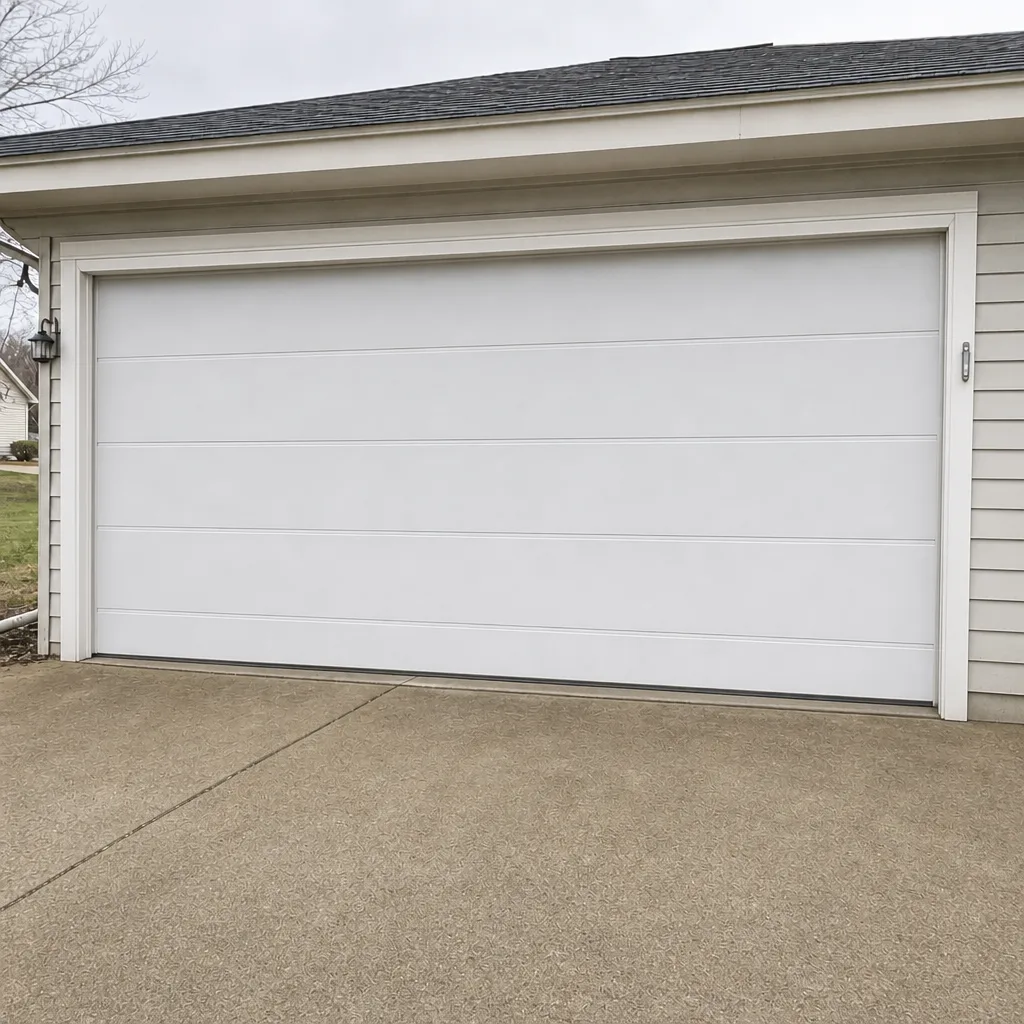 After
When to Call a Professional
Call a professional when the spring has snapped (the door won’t lift and the top of the door may have a visible gap), when a cable is visibly frayed or has come off its drum, when the opener runs but the door doesn’t move, when a door has come out of its track, or when a new door needs to be measured and installed. Springs and cables are dangerous to handle yourself, and a door that’s off its track can fall. For ongoing repair needs, our garage door repair service covers the full range, and garage door opener repair handles motor, logic board, remote, and sensor issues on the LiftMaster, Chamberlain, Genie, and Craftsman units most Longfellow garages have. Garage Door Repair Longfellow offers free estimates in Longfellow; call (855) 658-4110.
Frequently Asked Questions
Most garage door repairs in Longfellow cost between $150 and $520 in 2026, with spring pair replacement as the most common call at $280 – $520 and cable repair at $150 – $280. Opener replacement runs $350 – $750 and new door installation runs $1,200 – $4,500 depending on size and insulation. Call (855) 658-4110 for an exact quote on your door; estimates are free.
The national average in most guides reflects labor rates across the whole country, and it usually doesn’t account for matched pairs or non-standard openings. In Longfellow, a double-spring system on a two-car door is standard, and older 1940s – 1970s homes often need a custom fit. A matched pair at $280 – $520 is the normal number here, not an outlier.
For repair calls like a snapped spring or a stuck door, same-day service is often available in Longfellow. Emergency garage door service is a core part of what we do, and a stuck door or broken spring gets priority dispatch. Call (855) 658-4110 and we’ll book the earliest slot.
No. The price is quoted and agreed before any work starts. If we open a panel and find something the estimate didn’t account for – a damaged cable, a rusted track, a framing issue – we’ll stop and re-quote before doing the extra work. You approve the new number or decline; you’re never surprised at the invoice.
The local professionals we connect you with are licensed and insured as their state requires, and they’re trained on the eight brands most common in Longfellow garages: LiftMaster, Chamberlain, Genie, Clopay, Amarr, Wayne Dalton, Craftsman, and Raynor. Our technicians have up to 13 years of experience, which means they’re diagnosing by brand and component, not guessing.
Repair is almost always cheaper in the short term. A spring pair at $280 – $520 or a cable pair at $220 – $400 is far less than a new door at $1,200 – $4,500. The case for a new door is when the panels are discontinued and can’t be matched, when the framing needs major work, or when the current door is uninsulated and the garage is attached. During a free estimate in Longfellow we’ll tell you which way the math runs on your specific door.
The Bottom Line
Longfellow garage door pricing in 2026 doesn’t track national averages because this city’s housing stock doesn’t. The 1940s – 1970s construction means non-standard openings and low headroom are common, and those two things add real cost to an install. The five common service calls – spring replacement ($280 – $520 for a pair), cable repair ($150 – $280), opener replacement ($350 – $750), panel replacement ($250 – $500), and new door install ($1,200 – $4,500) – cover most of what Longfellow homeowners pay. What determines the final number is the cycle rating on the spring, the drive type and horsepower on the opener, and how much the opening needs to be adjusted. Read the estimate, ask what the delta is for, and know that the price you agree to before work starts is the price you pay. If you’d rather have the broken spring handled today than read another guide, we’re ready to book. For a free estimate in Longfellow, call (855) 658-4110. Whether it’s a snapped spring today or a full new door next month, it’s all handled by the same company, and the same call. You can also read more about garage door installation, Garage Door Repair Longfellow, and the garage door opener repair specialty if you want to go deeper on a specific piece before you call.
Contact
Longfellow’s garage doors need someone who knows the brand you already have and the housing stock you’re working with. From a snapped cable to a full new door, Garage Door Repair Longfellow handles repair, opener repair, spring replacement, and complete new-door installation on the eight brands most common in this city: LiftMaster, Chamberlain, Genie, Clopay, Amarr, Wayne Dalton, Craftsman, and Raynor. Prices are quoted and agreed before any work starts, and estimates are free. Call (855) 658-4110 for a free estimate and we’ll get your door sorted.
Written by the team at Garage Door Repair Longfellow.