Last updated November 21, 2026
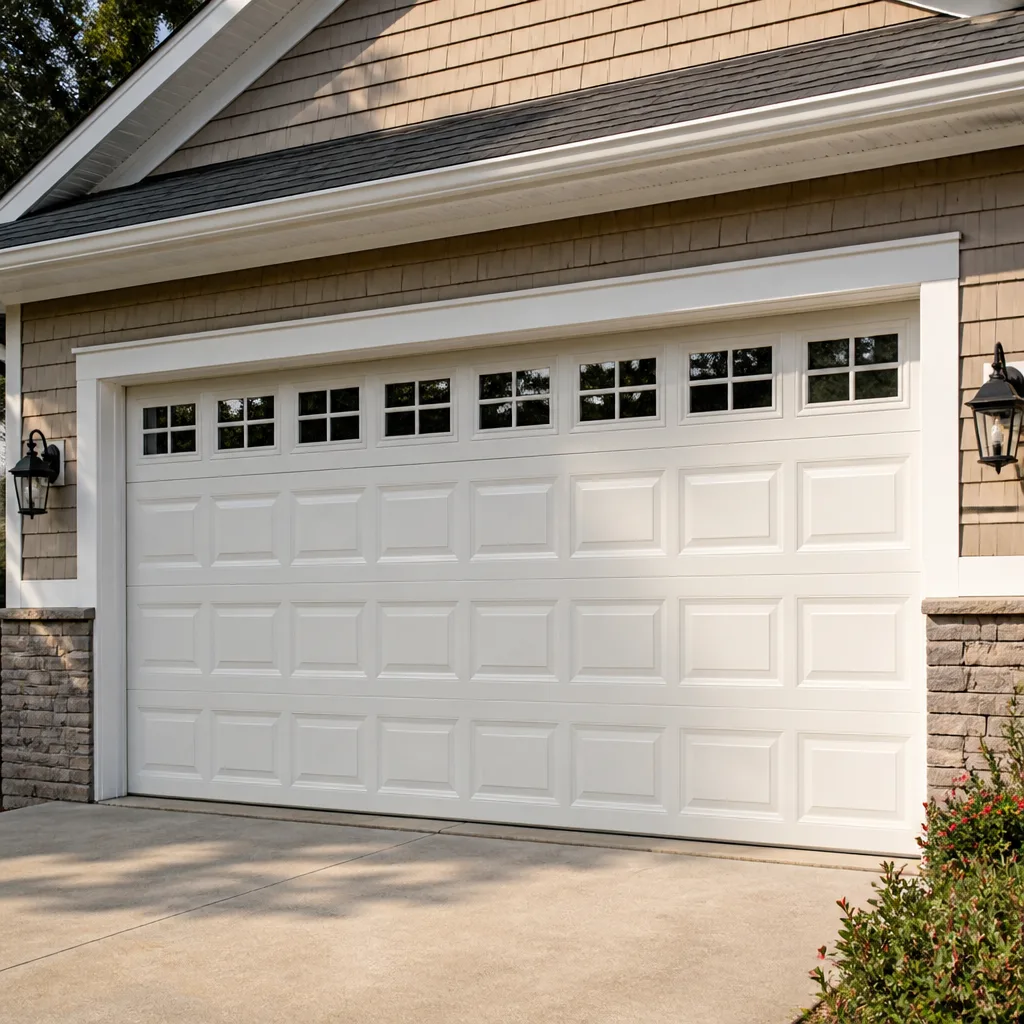 Raised-panel steel
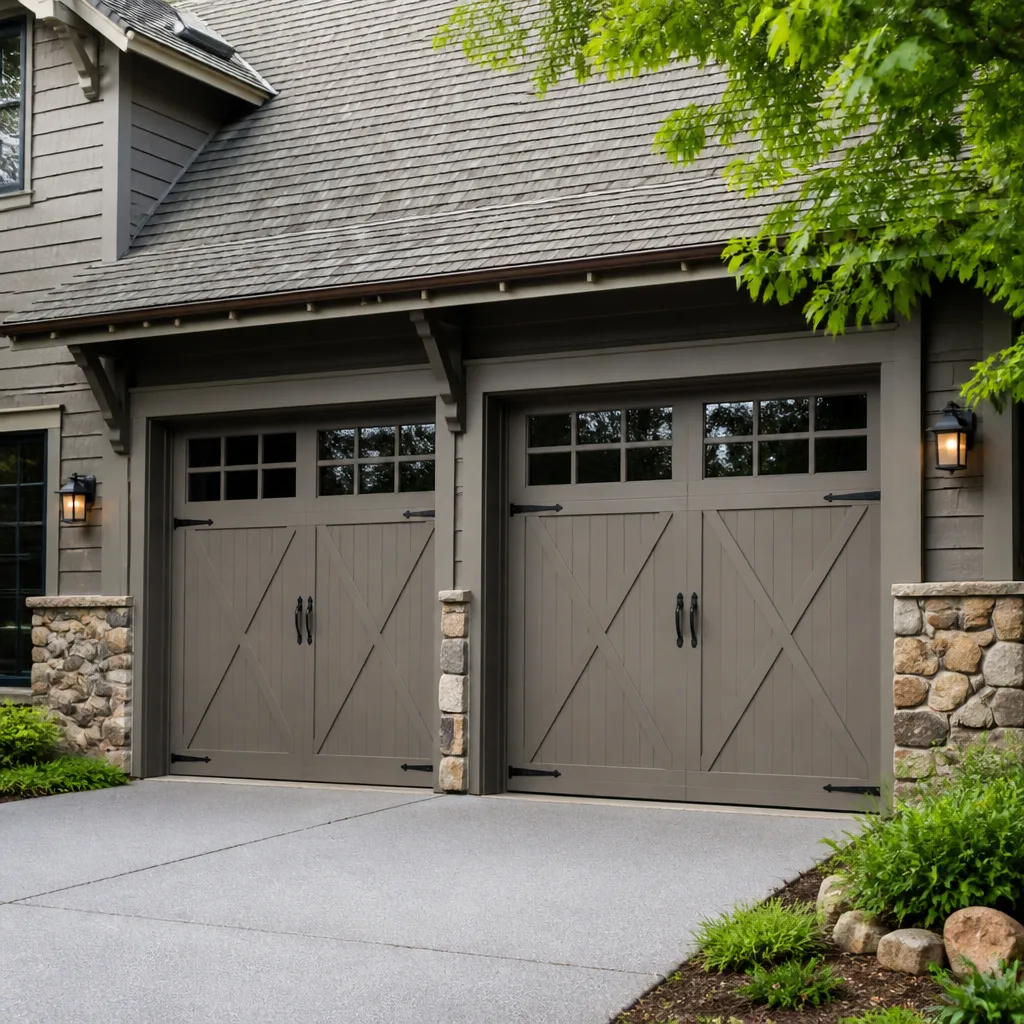 Carriage house
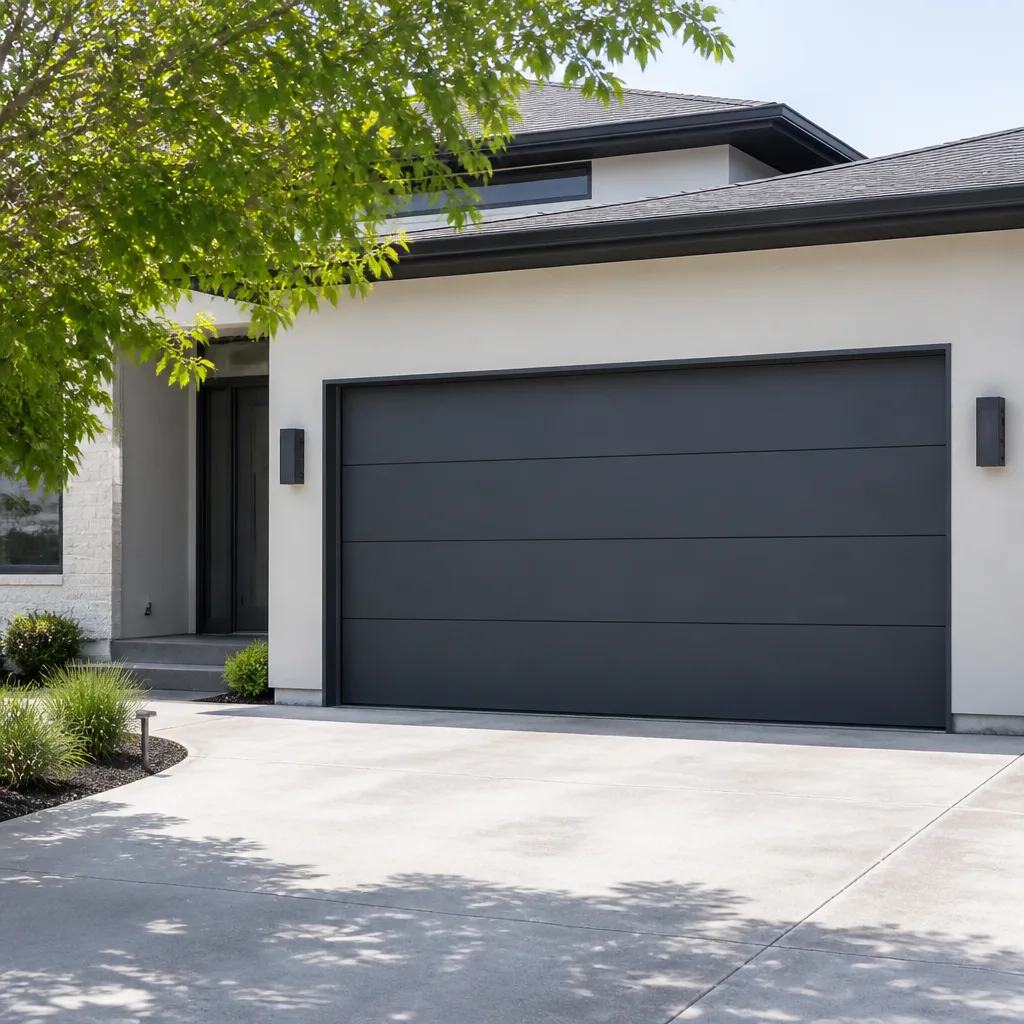 Modern flush
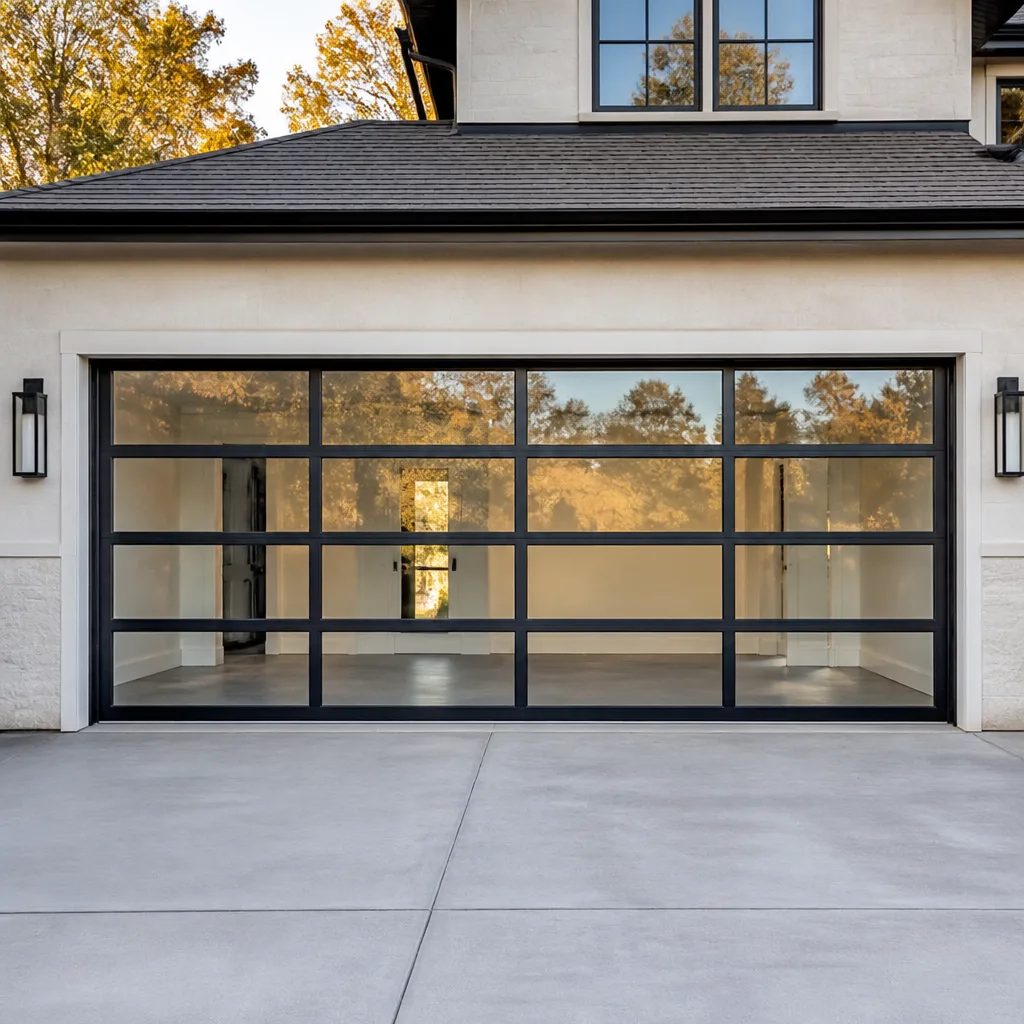 Full-view glass
 LiftMaster openers
 Chamberlain openers
Full 25-point door and opener safety check with every visit - springs, cables, rollers, tracks, and your LiftMaster or Chamberlain opener included
You get a price before we start. It does not change when the pro arrives.
Get your free estimateSeasonal Garage Door Care for Longfellow: Year-Round Homeowner’s Guide
The garage door failures we get called about in Longfellow in January are almost always caused by something that was ignored in October. Not by the cold itself. Cold is only the trigger; the loaded gun was a stiff seal, a dry hinge, or a torsion spring that had been running on borrowed time since the first freeze. The same pattern repeats in July, when a door that squeaked through spring heat suddenly won’t reverse on contact. What follows maps each maintenance task to the specific mechanical stress that Longfellow’s two hard seasons actually create, so you can prep for what’s coming instead of reacting to what already broke.
Quick Answer
Seasonal garage door care in Longfellow works best as a fall prep window (September through early November) that targets springs, seals, hinges, and balance before the first hard freeze, and a spring recovery window (April through May) that checks cables, drums, and bottom seals for winter damage. Summer is for panel and opener calibration, not major mechanical work. The single highest-leverage task is a fall balance-and-seal check, because it prevents the most common January failures.
Styles & brands we work with
- Raised-panel steel
- Carriage house
- Modern flush
- Full-view glass
- LiftMaster openers
- Chamberlain openers
Table of Contents
- Why Longfellow Seasons Hit a Garage Door Differently
- Fall Prep: The Highest-Leverage Maintenance Window
- How Minnesota Winters Stress Springs, Seals, and Openers
- Mid-Winter: What to Do When a Door Fails in the Cold
- Spring Recovery: Assessing Winter Damage Before It Fails
- Summer Heat: Panels, Spring Tension, and Opener Sensitivity
- Month-by-Month Task Calendar for Longfellow
- Brand Matters: Working With What’s Already in Your Garage
Why Longfellow Seasons Hit a Garage Door Differently
Longfellow sits in a part of Minneapolis where the freeze-thaw cycle is aggressive but not evenly distributed. A garage door is a large moving assembly of steel, springs, cables, and rubber, and every one of those materials responds to temperature at a different rate. That mismatch is what breaks doors here, not the cold on its own.
A torsion spring is steel under constant tension. Cold steel gets brittle, and below roughly -10°F the margin for error on an aged spring narrows sharply. Weather seals harden and lose their compression, so the door stops sealing and starts letting cold air and meltwater in. Cables contract. Wood and composite panels move at different rates than their metal frames. The opener, meanwhile, is being asked to lift a door whose rollers are stiff and whose springs are delivering less assist.
What makes Longfellow different from a generic “cold climate” guide is the specific cadence of the season. We get long stretches of well-below-freezing weather punctuated by thaws that turn snowmelt into standing water at the door’s base. That water finds every crack in a worn bottom seal, freezes overnight, and expands. Repeat that cycle twenty or thirty times in a winter and a seal that looked fine in October is a cracked, water-logged strip by March.
Homes throughout Longfellow – the older housing along Minnehaha Parkway, the bungalows and Tudors south toward Minnehaha Falls, the newer builds near the light rail corridor – mostly run attached garages that stay above freezing but not warm. That “cool but not frozen” garage is actually harder on a door than an unheated one, because meltwater keeps refreezing at the threshold while the door’s interior stays damp. It’s a recipe for rusted hinges and swollen panels if nothing gets checked.
Fall Prep: The Highest-Leverage Maintenance Window
Fall is the window that pays for itself. Everything you adjust, lubricate, or replace in September and October is something that won’t strand you in January. We treat fall prep as a numbered sequence because the order matters: you test balance before you adjust anything, and you inspect seals before you decide whether the door needs re-alignment.
- Test the door’s balance first. Disconnect the opener and lift the door halfway by hand. It should stay roughly where you leave it. If it drifts down or springs up, the torsion spring is out of adjustment or near failure. Don’t try to correct a torsion spring yourself – that’s a professional task (more below).
- Lubricate rollers, hinges, and the torsion bar. A garage door has a dozen or more moving joints, and every one of them stiffens in cold. A silicone or lithium-based lubricant on hinges, rollers, and the torsion shaft keeps them moving freely when the temperature drops. Skip the tracks themselves – grease there collects grit.
- Inspect and replace the bottom weather seal. This is the highest-value fall task. A cracked, compressed, or torn bottom seal lets in cold air, meltwater, and pests, and it puts extra strain on the opener because the door no longer seats cleanly. If the seal is hard to the touch or shows splits, replace it before the first hard freeze.
- Check the side and top seals. Look for daylight around the frame. Gaps that seem trivial in October become ice dams in December.
- Test the safety reverse. With the door open, place a roll of paper towels or a 2×4 flat on the floor under the door and close it. The door should reverse on contact. Test the photo-eye sensors by waving an object through the beam while the door is closing – it should reverse immediately. This is a safety system, not an optional feature.
- Listen for the opener. A grinding, rattling, or straining sound under load is the opener telling you something. Note it and address it before winter – a struggling opener only gets worse in the cold.
- Clear the tracks and check for debris. Leaves, grit, and small objects in the tracks cause the door to bind, and a binding door forces the opener and springs to work harder.
If any of this feels beyond a homeowner check, a fall service visit is inexpensive insurance. Our garage door repair service covers exactly this list, and we’ll tell you honestly which items are urgent and which can wait. The fall window is also the right time to address a door that’s been giving you trouble all summer – better to fix it in October than to call for emergency garage door service in a January cold snap.
How Minnesota Winters Stress Springs, Seals, and Openers
Winter is where the fall prep either pays off or doesn’t. Three components bear the brunt, and each one fails for a specific reason.
Torsion spring brittleness
A torsion spring is the counterweight that makes your door feel light. It’s steel wire coiled under high tension, and cold changes its behavior. As temperatures fall toward -10°F and below, steel loses ductility. An aged spring that has been cycling thousands of times is already near the end of its fatigue life, and the cold removes the last margin it has. When it lets go, it lets go loudly and without warning. This is why a spring that “worked fine all summer” snaps in the first real cold snap. Spring replacement is one of the most dangerous jobs in garage door work; we cover why in the winter emergency section, but the short version is that the fall prep is your chance to replace a spring on your schedule rather than in the middle of a cold night.
Weather seal compression failure
Rubber and vinyl seals are designed to compress against the floor and frame. In extreme cold they harden and stop compressing. The seal loses contact, the door no longer sits tight, and the result is cold air infiltration, snow blowing in, and meltwater pooling under the door. If your seal was borderline in fall, it will fail in winter. The failure also stresses the opener, because a door that can’t seat cleanly may need to travel slightly further to trigger its close limit.
Opener motor strain
An opener lifts the door together with the springs. When springs lose assist in cold, when rollers stiffen, and when the door itself gains weight from ice or snow, the opener takes on the surplus. Then the motor works harder and the gear and logic board heat up. On a Raynor or LiftMaster unit that’s a few years old, this is often the season when a struggling opener finally quits. We see this most on doors that weren’t lubricated in fall.
On a Chamberlain or Genie opener, the symptom is often a door that stops partway and reverses. That’s usually the opener’s force limit or travel setting triggering, not a motor failure. Our garage door opener repair work starts with the model number, because each brand handles force limits and travel settings differently.
Mid-Winter: What to Do When a Door Fails in the Cold
Doors do fail in winter, and when they do, the first decision is what you should and shouldn’t touch.
If a torsion spring snaps, stop. Do not try to lift the door by hand to inspect it, and do not attempt a repair. A torsion spring holds enough stored energy to cause serious injury, and garage door springs are under tension even when a door looks at rest. The safe move is to leave the door where it is, keep people and vehicles clear, and call for professional service. Emergency garage door service exists for exactly this situation, and it’s core work for us, not an add-on.
If the door is stuck open or stuck closed, the cause is usually a limit switch, a force setting, a broken cable, or a sensor fault. A door stuck open in a Longfellow winter is urgent because it exposes the garage to cold, snow, and meltwater. A door stuck closed is urgent if it’s trapping a vehicle. Either way, we can usually give you a phone diagnosis on the first call and get a technician out.
If you notice the door is crooked – one side higher than the other – that’s a broken or jumped cable, and it’s a stop-using-the-door situation. Running an opener on a crooked door can twist panels and damage the tracks.
What we tell Longfellow homeowners in a winter failure: don’t force the door, don’t run the opener repeatedly hoping it catches, and don’t assume a snapped spring means you need a whole new door. It almost never does. It means you need spring repair, and repair is usually the smaller job.
Spring Recovery: Assessing Winter Damage Before It Fails
April and May are when winter’s damage becomes visible. This is a short window. The door survived winter, the weather warms, and it’s tempting to assume everything is fine. But the stresses of winter don’t disappear when the snow melts; they surface as failures in May and June if nothing gets checked.
Run through this recovery checklist in early spring:
- Cables: Look for fraying, kinks, or slack on either side of the door. One cable doing all the work is a failure waiting to happen. A cable that’s come off its drum needs a professional, because re-seating it under tension is dangerous.
- Drums: The cable drums at the top of the door should be evenly wound. Uneven winding can mean a cable slipped during winter, and it throws the door out of balance.
- Bottom seal: Look for cracks, tears, and water damage. Winter is hard on seals, and a seal that failed will keep letting water in all spring. This is a low-cost replacement that protects the door bottom and the garage floor.
- Track alignment: Look for dents, bends, or a door that’s shifted. Winter plowing and ice can knock tracks out of alignment, and a bent track binds the door.
- Balance and spring test: Repeat the fall balance test. If the door now drifts differently than it did in fall, the spring has lost tension and needs attention.
- Hinge and roller condition: Rust is the winter’s calling card. Look for orange dust, stiff rollers, and hinges that creak. A quick lubrication in spring extends their life into summer.
If winter produced damage you can’t see – a spring that’s now overtightened, a cable that’s developed a weak spot – the spring recovery window is when to catch it. Catching a weak cable before it snaps is much cheaper than calling for emergency service in July. Our garage door repair service covers all of this, and a spring inspection tells you whether you’re looking at repair or replacement.
Summer Heat: Panels, Spring Tension, and Opener Sensitivity
Summer is the season homeowners think about least, and that’s a mistake. Heat creates its own set of stresses, and Longfellow summers get plenty warm, especially in attached garages that trap heat through the day.
Panel warping on wood and composite doors
Wood and wood-composite doors expand and contract with heat and humidity. Over a summer, a door that was perfectly aligned in spring can develop a slight bow, a panel that doesn’t sit flush, or a gap at the edge. Left alone, a warped panel strains the frame and the hinges. If you have a wood or composite door, a mid-summer look at panel alignment is worth the five minutes.
Spring tension changes
Heat softens steel slightly, so a torsion spring carries marginally less tension in summer than in winter. That’s usually harmless, but it means the door can feel slightly heavier in July than in February. If it feels markedly heavier, or if the opener is straining, don’t dismiss it. The spring may be drifting toward the end of its adjustment range.
Opener sensitivity in a hot garage
Openers have force and travel limits calibrated to the door’s behavior. A door that’s slightly heavier or slightly warped in summer can push the opener past its limit, causing it to reverse on close or stop partway. On a LiftMaster or Genie unit, this is often fixed by recalibrating the force and travel settings, but it’s the kind of thing that reads as a “broken opener” when it’s really a door that needs adjustment. Here’s where knowing your brand matters: a Chamberlain and a LiftMaster look almost identical but handle force calibration differently. That’s the kind of thing our technicians handle across the brands most common in Longfellow garages.
Month-by-Month Task Calendar for Longfellow
Generic guides split the year into warm and cold. Longfellow’s climate is better read as two hard seasons with two transition windows. Here’s the actual calendar we work from.
| Month | Task focus | Why now |
|---|---|---|
| September | Balance test, spring inspection, lubricate hinges/rollers | Before first hard freeze; catches tired springs |
| October | Replace worn bottom/side seals, test safety reverse, clean tracks | Seals seal best before they harden in cold |
| November | Final pre-winter opener check, clear debris, tighten hardware | Last call before deep cold |
| December-January | Watch for sticking, listen for strain, don’t force a stuck door | Peak stress; emergency failures happen here |
| February | Look for ice at the door base, check seal contact after thaws | Repeated freeze-thaw damages seals |
| March | Inspect for cable slack, hinge rust, track bends | Winter damage first becomes visible |
| April-May | Spring recovery checklist: cables, drums, seals, balance | Prevents mid-season failures |
| June-August | Check panel alignment, opener force/travel, lubrication | Heat warping and sensitivity issues |
This isn’t a rigid schedule, and it doesn’t need to be. It’s a reminder that each task has a season where it actually does something. Lubricating in October does far more than lubricating in January, and replacing a seal in September is easier than replacing it in February when it’s frozen to the floor.
Brand Matters: Working With What’s Already in Your Garage
Maintenance advice is only useful if it accounts for the specific equipment. A garage door isn’t a generic machine; it’s a particular brand and model with particular tolerances. That’s why we’re trained on eight of the most common residential brands: LiftMaster, Chamberlain, Genie, Clopay, Amarr, Wayne Dalton, Craftsman, and Raynor. If your door or opener is one of those, we know the quirks before we arrive.
The differences matter for seasonal care. An opener’s force-limit calibration and its seasonal sensitivity check read differently on a Genie than on a LiftMaster. A door panel’s thermal behavior depends on whether it’s a Clopay steel door or a Raynor wood composite. A spring’s expected life depends on the door’s weight and balance, which varies by manufacturer.
- LiftMaster and Chamberlain: Force and travel calibration, plus sensor alignment, are the usual summer and winter adjustments. They share a design language but handle limits slightly differently.
- Genie: Often has a distinct force-limit adjustment; a door that reverses in summer heat is usually a calibration issue, not a motor failure.
- Raynor: Common locally; spring and track checks apply as with any brand, but panel and hinge tolerances are worth noting when evaluating warping.
- Clopay and Amarr: Steel and composite panel behavior across temperature swings is the main thing to watch.
- Craftsman: Frequent in older Longfellow garages; unit-specific limit adjustment matters when the door behaves differently across seasons.
When it’s time for a full replacement, garage door installation starts with knowing what’s already there so the new door fits the same opening and opener setup. If your opener is the part that’s failing, garage door opener repair covers the motor, logic board, remote, and sensor systems on the brands above.
Common Mistakes to Avoid
- Skipping the fall balance test. It’s the single test that predicts a January spring failure, and it takes two minutes with the opener disconnected.
- Lubricating the tracks. Grease on the tracks collects grit, binds the rollers, and makes the door harder to move in cold. Lubricate hinges and rollers, not the tracks.
- Ignoring a hardened bottom seal. A seal that feels stiff in October will fail by December, and meltwater will find the gap. Replace it before freeze, not after.
- Forcing a stuck door. In Longfellow winters, a stuck door is often a broken cable or a failing spring. Pulling it by hand or running the opener repeatedly can twist panels and turn a repair into a replacement.
- Assuming a reversing opener means a dead motor. On a Chamberlain, Genie, or LiftMaster, a door that reverses on close is usually a force or travel calibration issue, not a failed motor. Don’t replace the opener before diagnosing it.
- Treating summer as maintenance-free. Heat warps panels and shifts opener sensitivity, and a door that sits all summer without a look is a door that fails in fall.
- Using a generalist for spring work. Springs are a different job than hinges and seals. A snapped torsion spring needs someone who works on springs specifically, not a handyman improvising.
See the difference
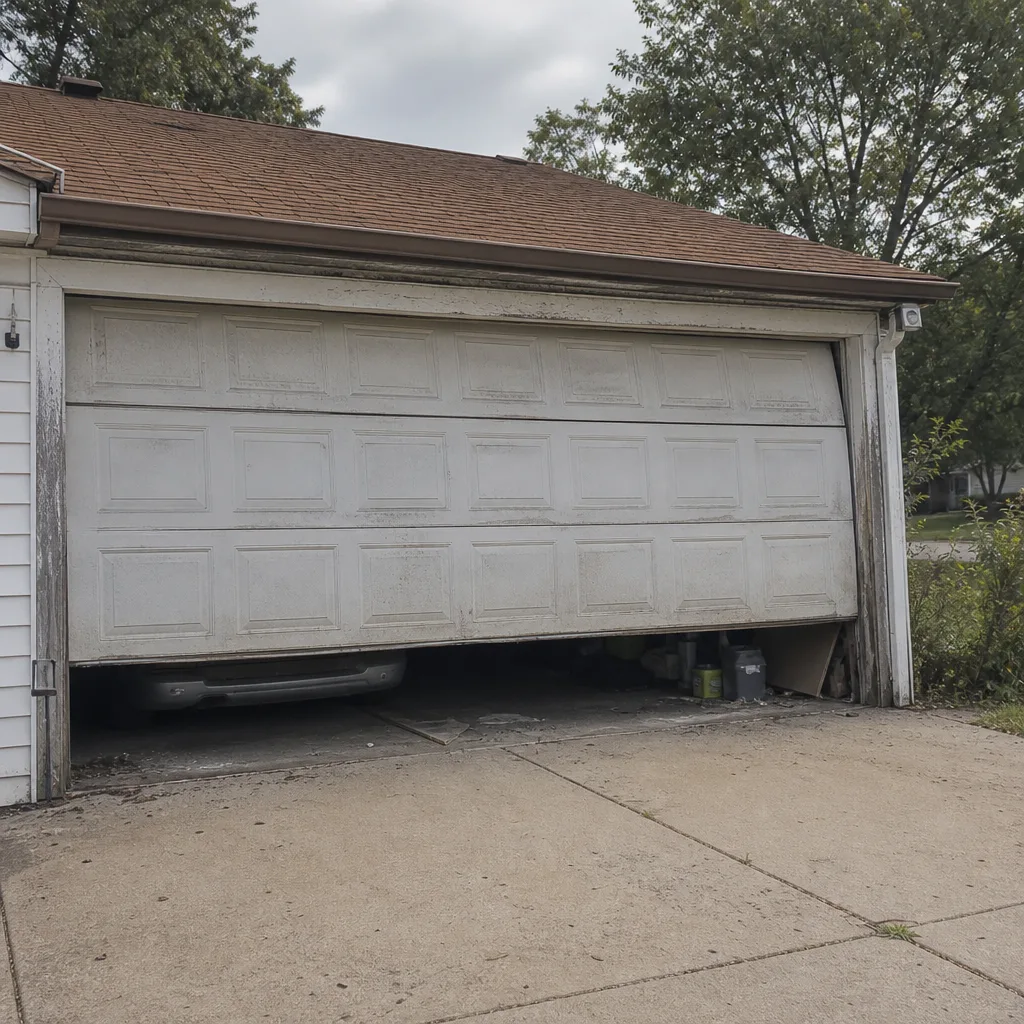 Before
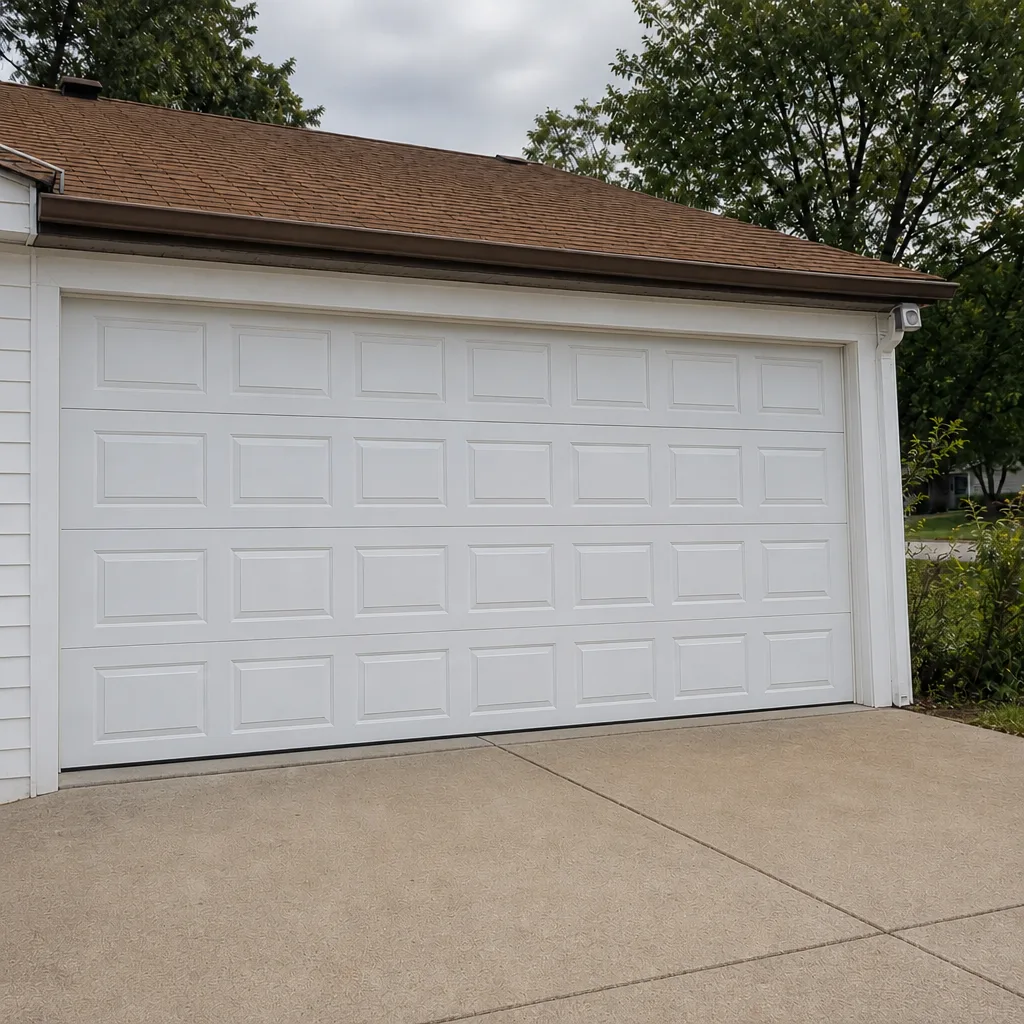 After
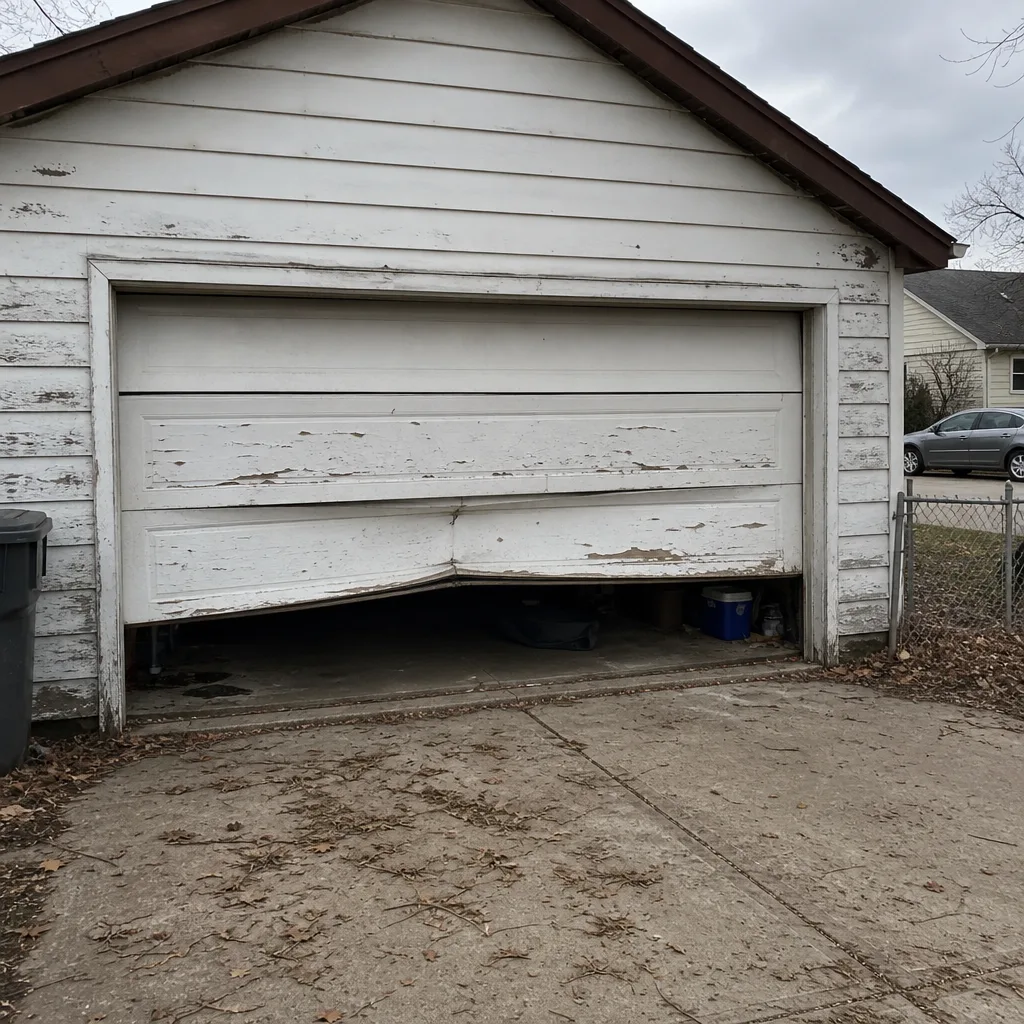 Before
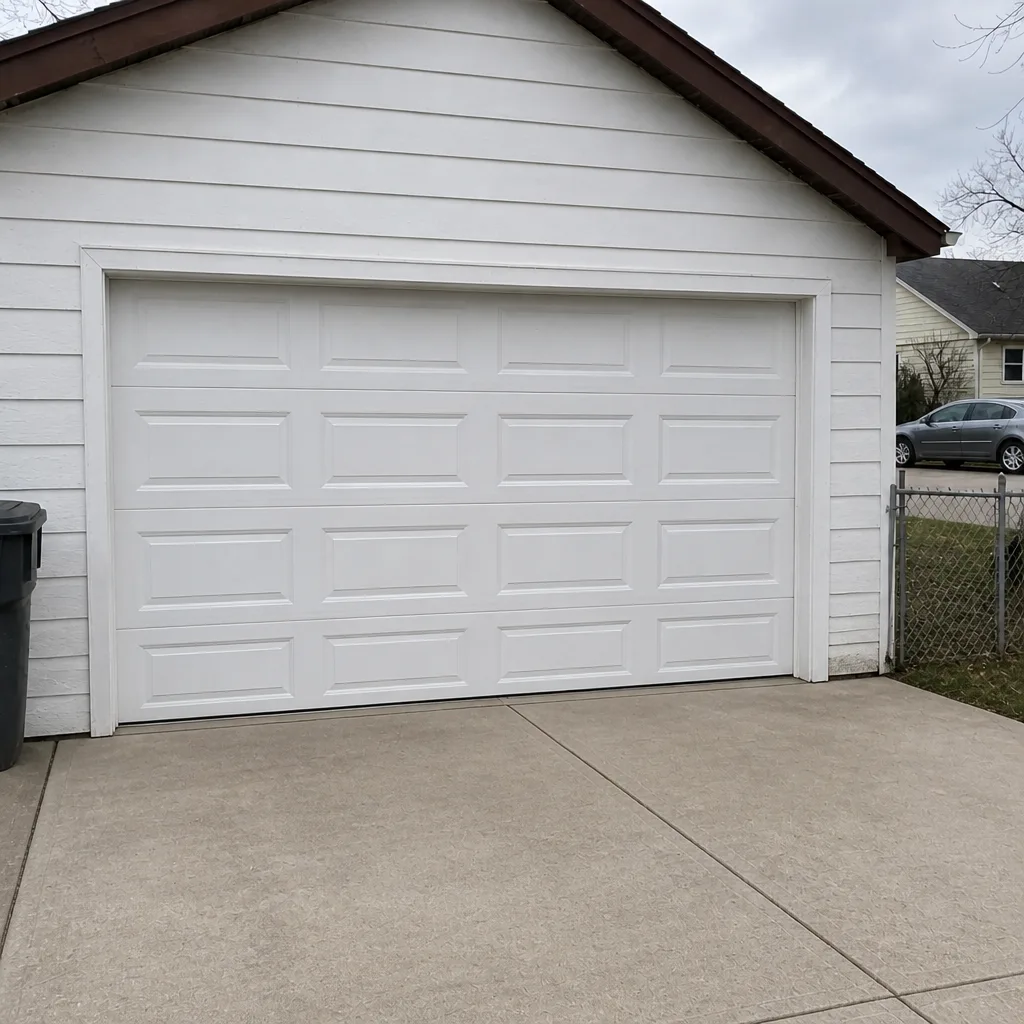 After
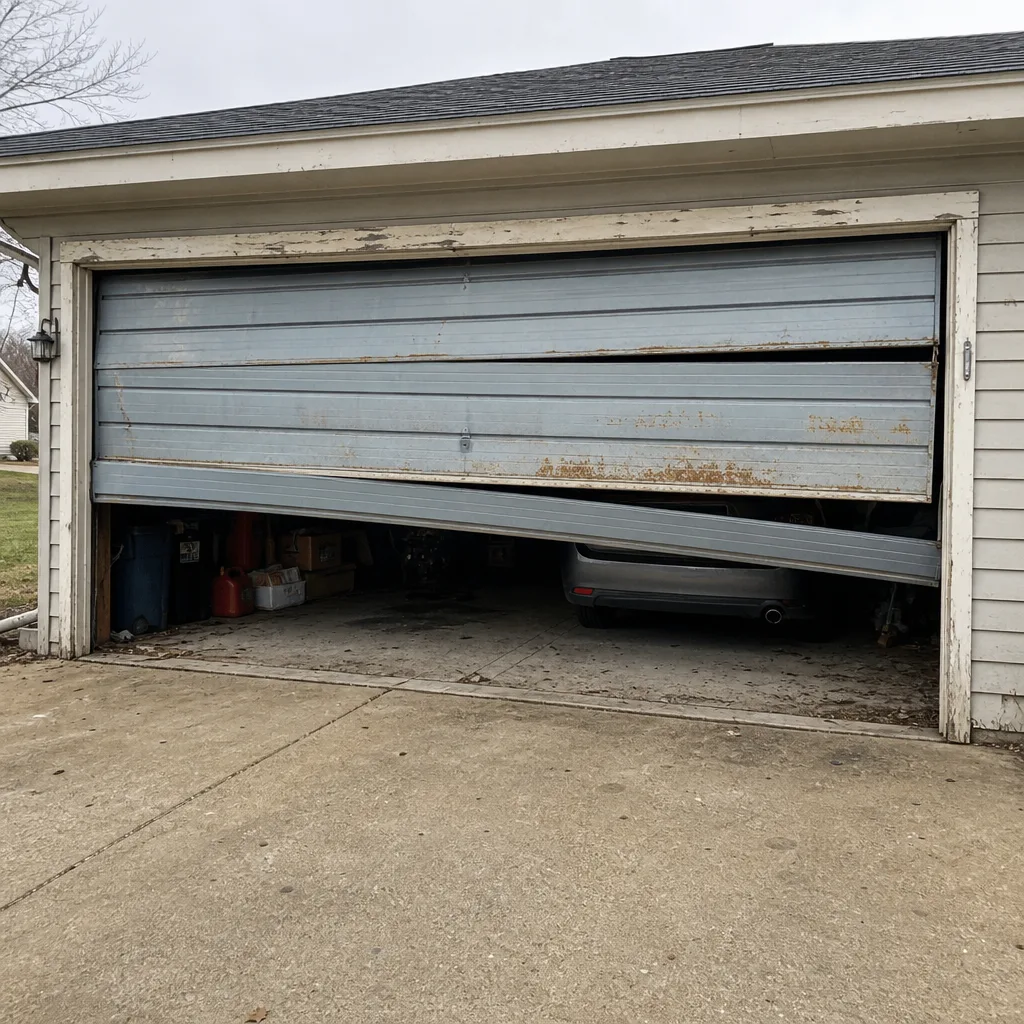 Before
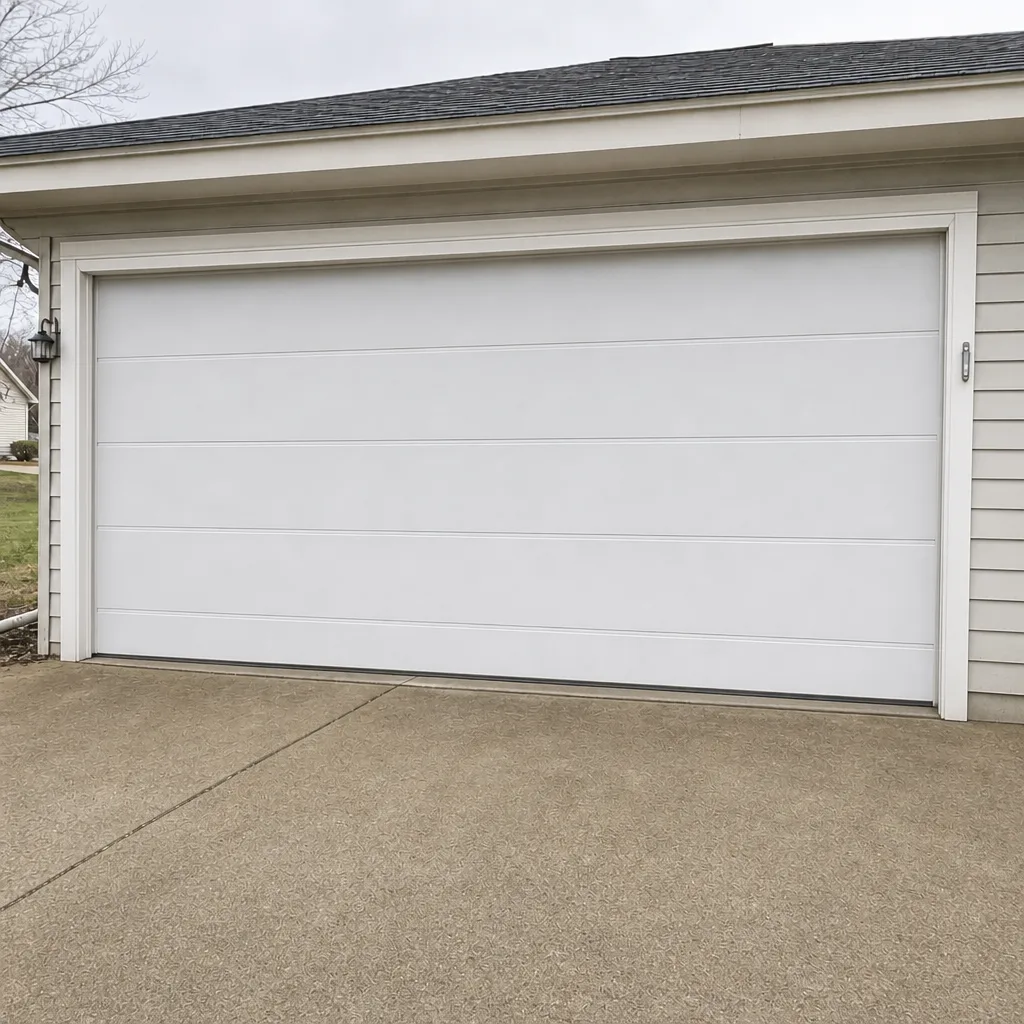 After
When to Call a Professional
Some tasks belong on a homeowner checklist, and some don’t. Call a professional for any torsion spring work, any snapped or slack cable, a door that’s crooked, an opener that reverses on its own, or a door that won’t close fully in cold weather. Call immediately if a spring has snapped, a door is stuck open in a winter cold snap, or one side of the door has dropped. Garage Door Repair Longfellow offers free estimates in Longfellow; call (855) 658-4110 and we’ll tell you what’s happening and what it should cost before any work starts.
Frequently Asked Questions
Once in fall and once in spring is the right rhythm for Longfellow, which gets two hard seasons and two transition windows. Fall prep covers springs, seals, hinges, and balance before the first hard freeze. Spring recovery checks cables, drums, and bottom seals for winter damage. Summer needs a lighter look at panel alignment and opener settings.
No. Torsion springs store enough energy to cause serious injury, and the cold makes them more brittle and unpredictable. Do the balance test in fall to catch a tired spring early, but leave the replacement to a professional. Our dedicated spring repair service exists because this is a calibrated job, not an improvised one.
It’s the freeze-thaw cycle, not the cold alone. Repeated thaw and refreeze drives meltwater into worn seals and hinges, then freezes and expands. Add torsion spring brittleness below -10°F and the opener’s added strain, and the failures stack up. If a seal wasn’t replaced in fall, a Longfellow winter will find it.
Yes. Emergency garage door service is part of our core offering, and a door stuck open or closed in a Longfellow winter is exactly the situation it’s built for. We can usually diagnose on the phone and get a technician out. Call (855) 658-4110.
Sometimes a slight summer warp eases when temperatures drop, but a panel that stays warped for more than a season usually needs adjustment. On wood and composite doors (Clopay, Amarr, Raynor, Wayne Dalton), check panel alignment in July and again in October. If the warp persists, it’s straining the frame.
We’re trained on LiftMaster, Chamberlain, Genie, Clopay, Amarr, Wayne Dalton, Craftsman, and Raynor, which covers most residential garages in Longfellow. If your opener’s model number matters to the diagnosis, we know what it means. Call (855) 658-4110 for an estimate.
The Bottom Line
Longfellow’s garage door care isn’t four equal quarters; it’s two hard seasons (winter cold and summer heat) bracketed by two transition windows where the real prevention happens. Fall is the highest-leverage window, because a balance test, a seal replacement, and lubrication can head off the January failures that send people scrambling. Spring is the recovery window, when winter’s hidden damage to cables, drums, and seals becomes visible and fixable. Summer is the light-touch season for panels and opener settings. Pick one weekend in September and one in April, work the checklist, and you’ll spend less time waiting on emergency service and more time using the door. When something goes beyond a homeowner check, we’re here.
Call (855) 658-4110 for a free estimate from Garage Door Repair Longfellow. Our technicians have up to 13 years of experience, we’re trained across the eight named brands, and we’ll quote and agree a price before any work starts.
Written by the team at Garage Door Repair Longfellow.