Last updated November 21, 2026
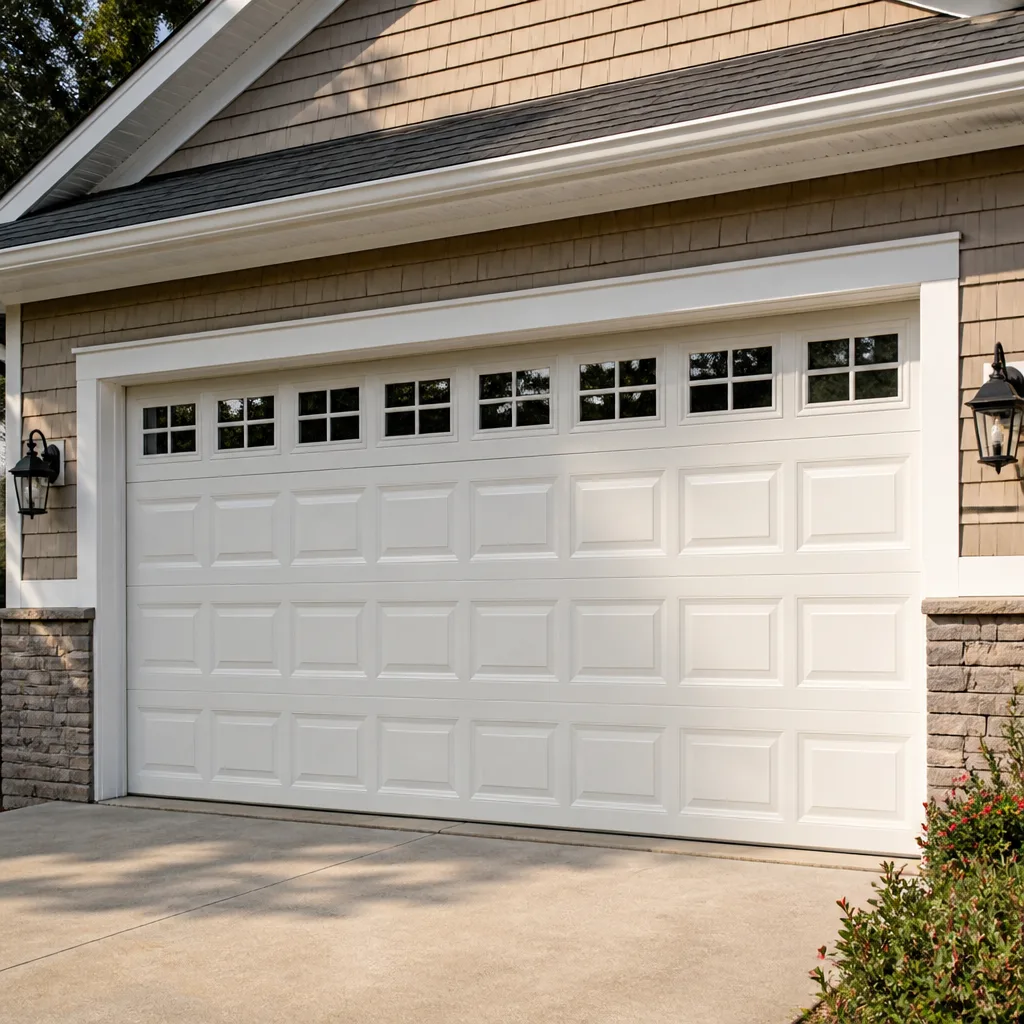 Raised-panel steel
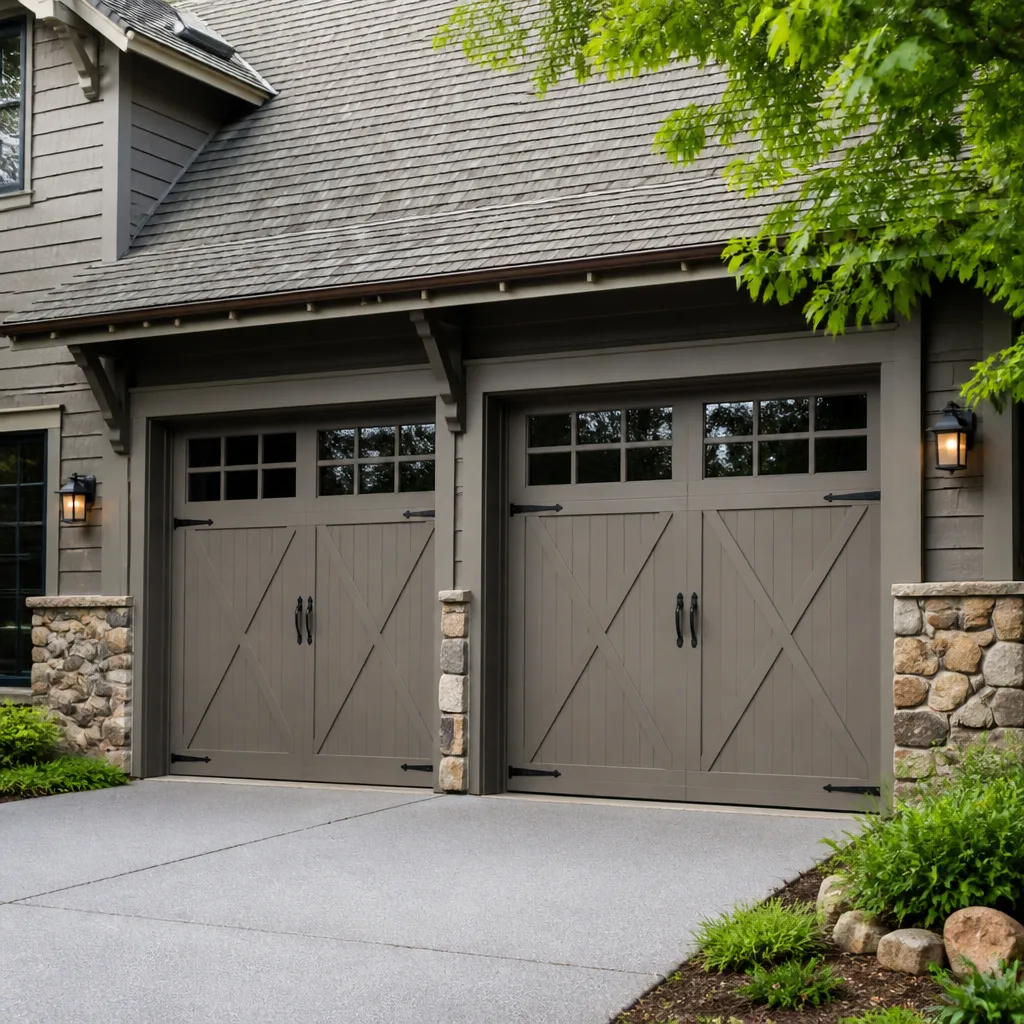 Carriage house
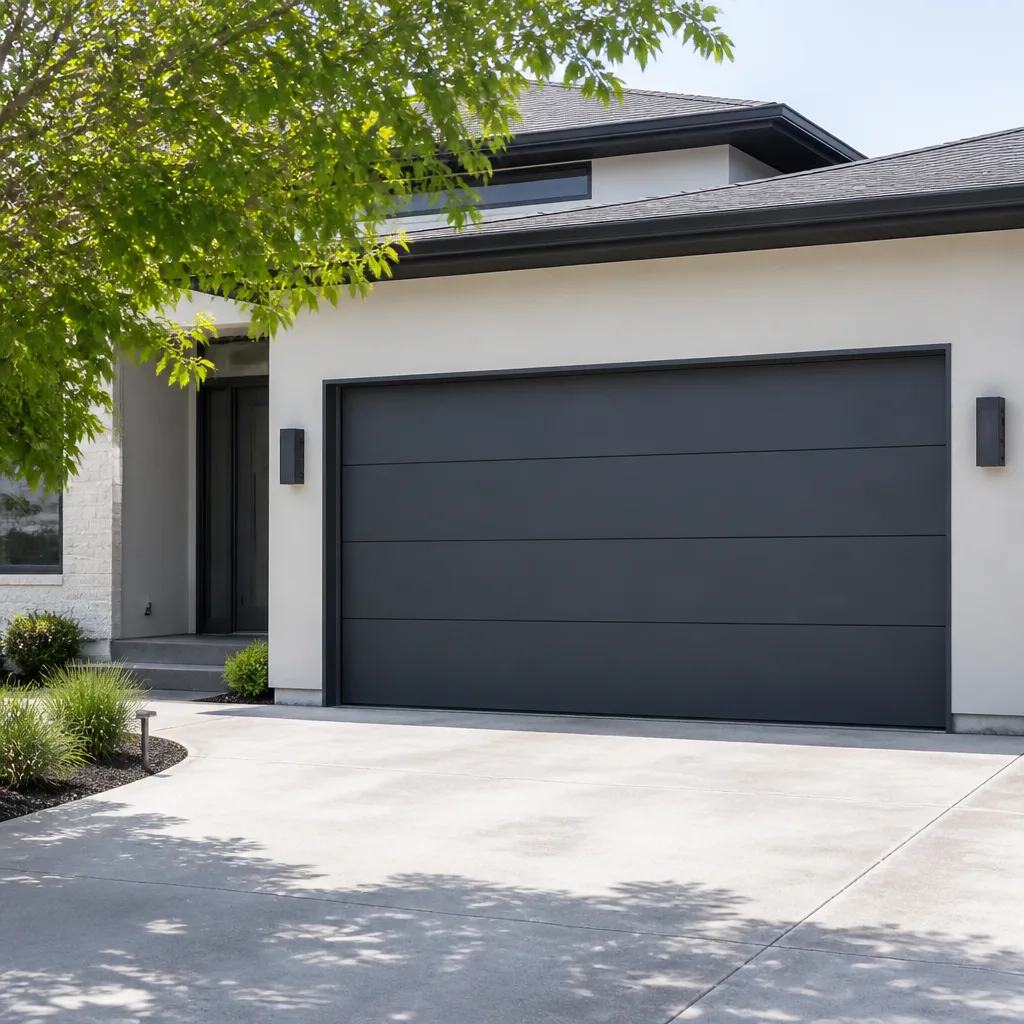 Modern flush
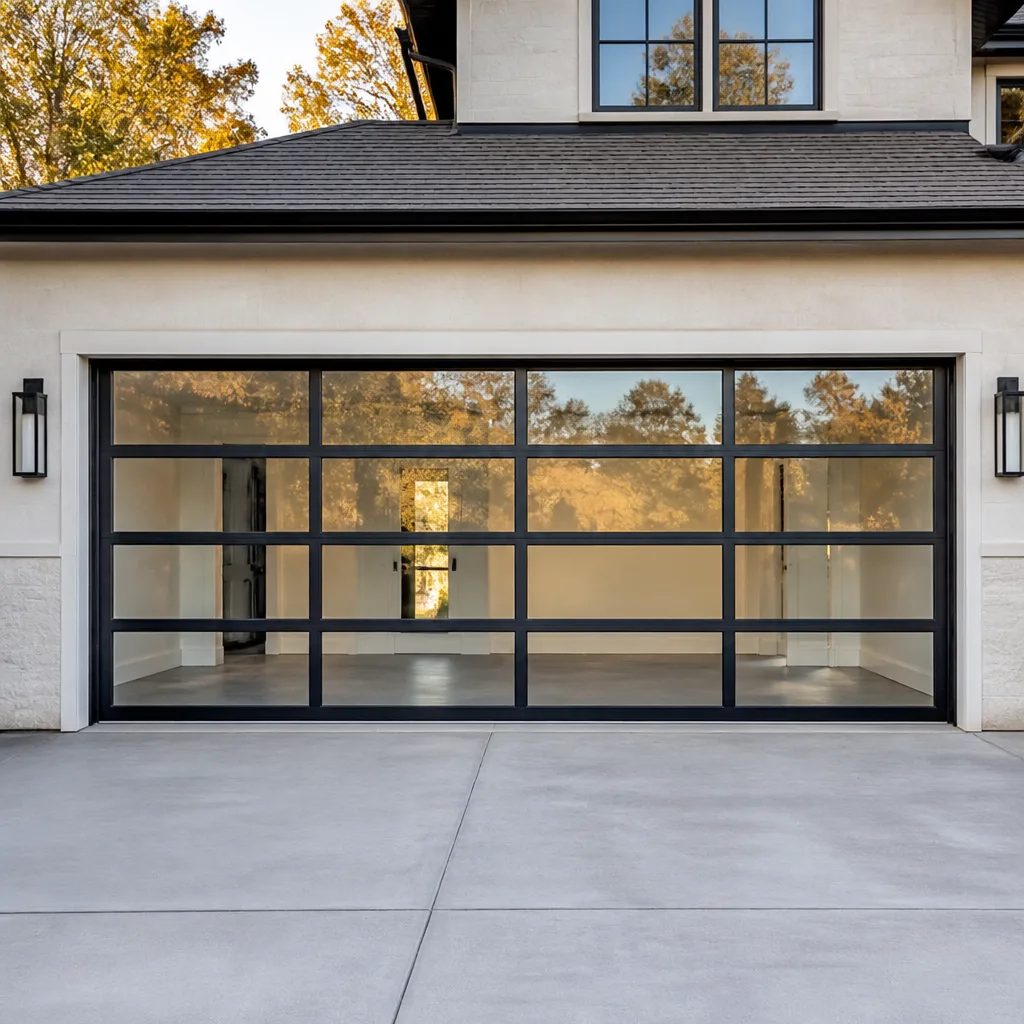 Full-view glass
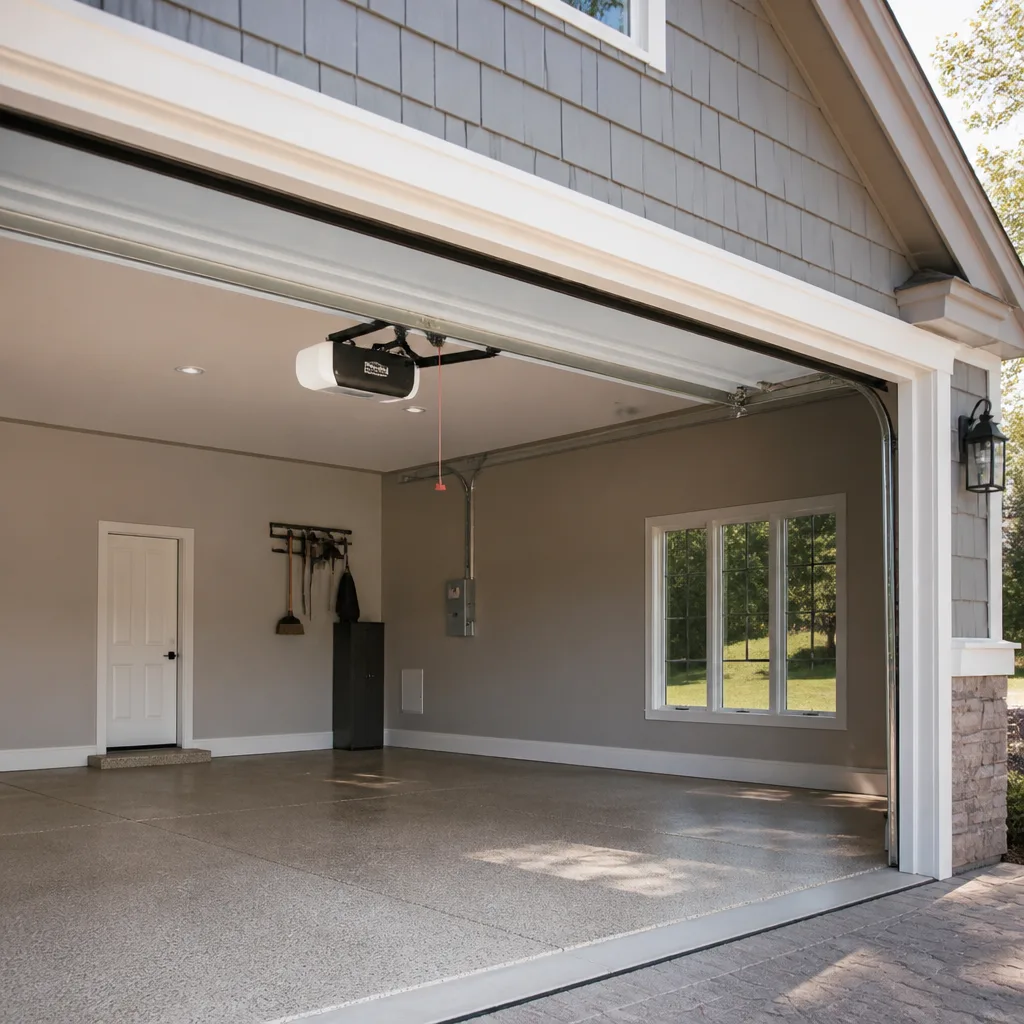 LiftMaster openers
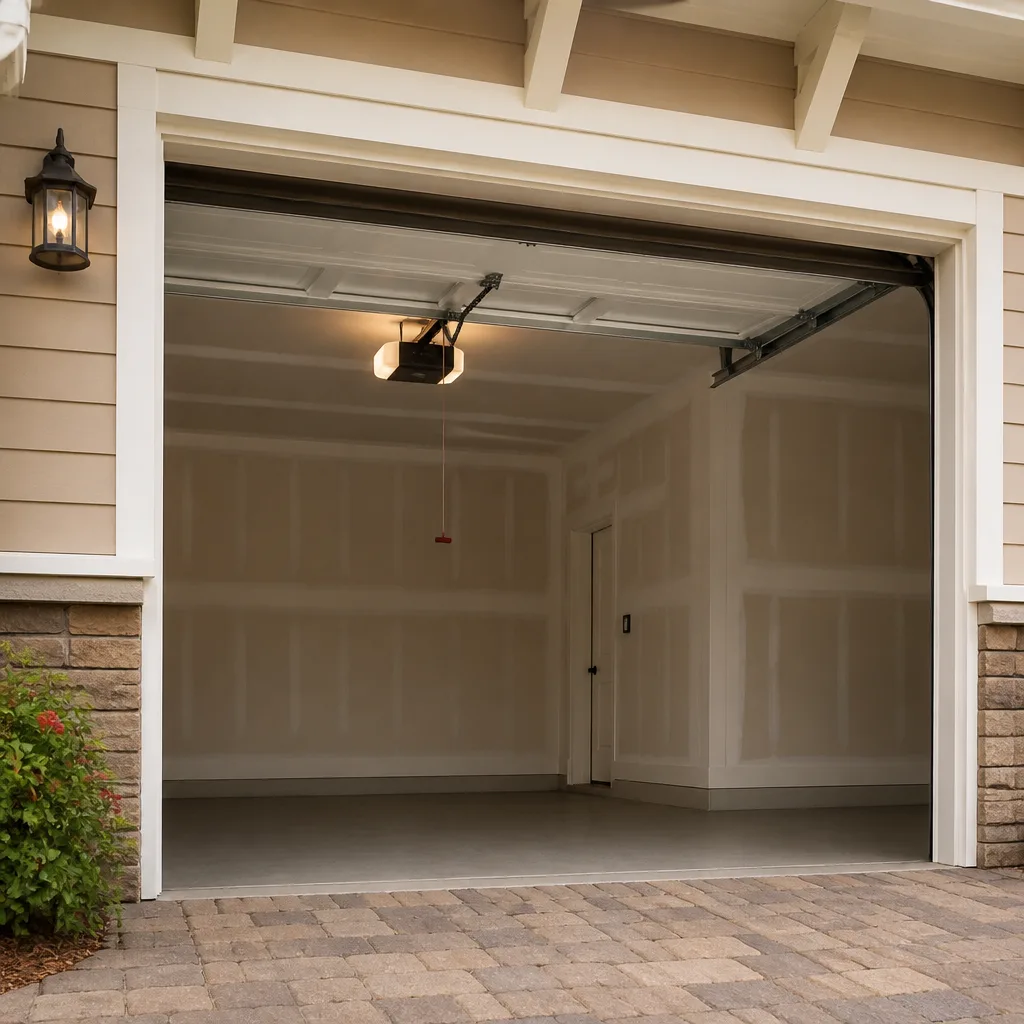 Chamberlain openers
Full 25-point door and opener safety check with every visit - springs, cables, rollers, tracks, and your LiftMaster or Chamberlain opener included
You get a price before we start. It does not change when the pro arrives.
Get your free estimateThe Complete Guide to Garage Doors in Longfellow
Most garage door advice you’ll find online is written as if every door in the country is the same. It isn’t. The door hanging in a Longfellow garage has been through decades of Minneapolis freeze-thaw cycles, and the hardware bolted to it fails in patterns that national guides never mention. The eight brands most common in this neighborhood each have a documented weak point, and most homeowners don’t learn which one they own until something snaps at 7am in January. This guide is built around what’s actually installed here and why it breaks: brand-specific failure points, how the local climate stresses springs and seals, how to tell a symptom from a diagnosis, and what the most common repairs really run in Longfellow.
Quick Answer
Garage door ownership in Longfellow comes down to three things: knowing your brand, understanding how freeze-thaw wears springs, cables and bottom seals, and knowing when a repair is worth it versus when a door has reached the end. Most common repairs here run from a service call and adjustment up into the hundreds for springs and openers, and a full replacement runs into the low thousands. The written estimate you get before work starts is the price that matters. Everything below explains how to reach that number with confidence.
Styles & brands we work with
- Raised-panel steel
- Carriage house
- Modern flush
- Full-view glass
- LiftMaster openers
- Chamberlain openers
Table of Contents
- The Eight Brands in Longfellow Garages and Their Known Weak Points
- How Minneapolis Freeze-Thaw Cycles Stress Your Door
- Symptom vs. Diagnosis: Reading What Your Door Is Telling You
- What the Most Common Service Calls Cost in Longfellow
- Repair or Replace? How to Decide
- Why Springs Are Not a DIY Repair
- Your Opener Has a Model Number. Know What It Means.
- A Seasonal Checklist for Longfellow Homeowners
The Eight Brands in Longfellow Garages and Their Known Weak Points
If you’re going to own a garage door in Longfellow, the single most useful thing you can learn is what’s hanging above your car. Brand tells a technician more about likely failure points than almost any other detail, because each manufacturer has its own quirks in how springs, cables, drums and openers are built and how they wear. We work on the brand you already have, and these are the systems we see most.
LiftMaster and Chamberlain
These two share a lot of engineering under the hood, and they dominate residential openers. The one failure pattern that comes up repeatedly is the logic board and the safety sensor system. When a door reverses for no reason or a remote stops working while the wall button still works, it’s rarely the motor. It’s usually a sensor alignment issue or a board fault. Knowing which is which saves a replacement you don’t need.
Genie and Craftsman
Older Genie and Craftsman units are workhorses, but their drive systems and remotes age in specific ways. A worn drive gear or a slipping carriage on a chain unit produces a grinding sound that homeowners often mistake for a failing motor. It usually isn’t. The remote pairing and travel-limit settings on these units also drift over time, which is why a door that once closed cleanly now stops six inches short.
Clopay, Amarr, Wayne Dalton and Raynor
On the door side, these four are the panels and hardware you’ll see most in Longfellow. Clopay and Amarr doors tend to hold up well, but their torsion systems and bottom seals take the brunt of the local weather. Wayne Dalton doors are recognizable by their unique torque-master style torsion tube on many models, which changes how a spring replacement is approached. Raynor doors are solid but their track hardware needs periodic attention, especially the rollers and hinges that take the load. We’re trained on all four, and we diagnose by brand and component rather than guessing.
How Minneapolis Freeze-Thaw Cycles Stress Your Door
Longfellow sits in a climate that swings hard between freezing and thawing through the winter and early spring, and that swing does more damage to garage doors than any single cold snap. The mechanism is simple to understand: metal contracts in the cold and expands as it warms, and water gets into places it shouldn’t, then freezes and expands. Repeated dozens of times over a season, that cycle wears down the components that carry the most tension.
Here’s where it shows up most:
- Torsion springs. Cold makes steel more brittle and less forgiving. A spring that’s already near the end of its cycle life is far more likely to snap during a January cold stretch than in mild weather. The failure is sudden and often loud.
- Bottom seals. The rubber or vinyl seal along the bottom of the door is your barrier against snow, meltwater and drafts. Freeze-thaw hardens and cracks it faster than in milder climates. A worn seal lets water under the door and onto the floor.
- Track hardware. Rollers, hinges and track brackets collect moisture and grit. When temperatures drop, lubricant thickens and rollers can seize or bind, which puts uneven load on the door and the opener.
- Cables. Cables fray at the drums where they spool. The tension changes with temperature, and a frayed cable in a cold snap can fail with the door in motion.
This is why a garage door in Longfellow ages differently than one in a mild climate. The parts that fail first here aren’t the ones national checklists warn about most. They’re the ones exposed to the moisture-and-freeze cycle: springs, seals, cables and rollers.
Symptom vs. Diagnosis: Reading What Your Door Is Telling You
“My door won’t open” is a symptom. It’s not a diagnosis, and treating it as one is how homeowners end up paying for the wrong repair. The same symptom can come from a completely different cause depending on your brand and hardware. A worn cable drum on a Clopay door and a logic board fault on a LiftMaster opener can both leave you with a door that won’t move. The fix, the cost and the urgency are entirely different.
When you call, here’s the sequence a good technician works through, and you can start the same way yourself:
- Does the opener run but the door doesn’t move, or is the opener silent? If the motor hums or runs and nothing happens, the problem is likely mechanical: a broken spring, a snapped cable or a disconnected carriage. If the opener is silent, the problem is likely electrical or the opener itself.
- Does the wall button work when the remote doesn’t? This points to a remote, sensor or board issue rather than the door mechanism.
- Is the door crooked, or did it come down unevenly? An uneven door usually means a cable, drum or spring on one side has failed. Stop using the door until it’s inspected.
- Is there a gap at the bottom or a draft? That’s a seal problem, not a mechanism problem, and it’s a separate repair.
Naming the brand up front helps too. Tell us it’s a Wayne Dalton with a torsion tube style you can’t identify, or a Raynor door that’s grinding, and we can bring the right knowledge to the job instead of improvising on site. That’s the difference between a generalist guessing and a specialist who knows the hardware before arriving.
What the Most Common Service Calls Cost in Longfellow
National averages don’t tell you much about a Longfellow garage, because local labor, the local climate’s wear pattern and the mix of brands here all shape what a job actually takes. The ranges below are typical estimates for the most common calls in this neighborhood, not exact quotes. Your written estimate, given before any work begins, sets the final price.
| Service | Typical Estimated Range |
|---|---|
| Service call and adjustment (track, rollers, sensors) | $95 – $175 |
| Single torsion spring replacement | $180 – $340 |
| Matched spring pair (usually replaced together, roughly double one spring) | $360 – $680 |
| Extension spring replacement | $150 – $290 |
| Cable replacement (one side) | $120 – $250 |
| Bottom seal replacement | $110 – $220 |
| Opener repair (board, sensor, remote) | $150 – $400 |
| Full opener replacement (unit plus install) | $350 – $750 |
| New single-car door with installation | $1,200 – $2,800 |
| New double-car door with installation | $2,000 – $4,500 |
A spring quote is for one spring. A matched pair is usually replaced together because the second spring is at the same point in its life, and a pair costs about twice a single. When we quote a spring job in Longfellow, we tell you which you’re getting and why. The price is quoted and agreed before we start, so the number on the estimate is the number you plan around.
One more local note: freeze-thaw season is when spring and cable calls spike, and some jobs are genuinely time-sensitive. For a stuck door, a snapped spring or an opener that won’t respond, we offer emergency service and can often come the same day. Call (855) 658-4110 for an exact quote. Estimates are free.
Repair or Replace? How to Decide
The question isn’t “is this door old?” It’s “will the next repair be the last one for a while, or the first of several?” A garage door is a mechanical system with a finite life, and once it starts needing repeated major repairs, the math shifts. Here’s how we think about it, framed by the factors that actually matter.
Door age and repair history
A door that’s had one or two repairs over many years and is otherwise sound is usually worth keeping. A door that’s needed a cable, a drum, a section and now a spring within a short span is telling you the system is at the end of its service life. The pattern of repairs matters more than any single job.
Material type
Steel doors dent and rust at the bottom edge where the seal fails and moisture sits. Wood doors, common in older Longfellow homes, can be beautiful but demand more upkeep and are more vulnerable to the freeze-thaw moisture cycle. An aluminum or composite door from Amarr or Clopay will often outlast a tired wood door with far less attention. If the panels themselves are failing, no amount of hardware repair will fix that.
Structural condition
If the door is crooked, the track is bent, or the panels are separating, you’re no longer looking at a repair. Those are replacement signals. A door that won’t stay level is a hazard, and straightening a badly damaged door rarely pays off.
When a repair is the right call, we say so. When a door is a money pit, we say that too. If you’ve decided it’s time for a new door, that’s a different kind of project: measured, ordered and scheduled rather than rushed. You can learn more about garage door installation and get a written price after a free measure. Homeowners who want a fast answer on whether a repair will hold should ask for an inspection first, and we’ll walk you through the options.
Why Springs Are Not a DIY Repair
Torsion and extension springs hold the full weight of your garage door under extreme tension. When a spring fails or is mishandled, the stored energy releases instantly, and it’s one of the most dangerous components in any home. This isn’t a job to learn from a video. A spring under load can cause serious injury, and the tools and technique for winding and securing a torsion spring are not things to improvise.
What you can and should do is recognize the signs a spring is failing, then call a professional who works on springs as a dedicated service:
- The door feels unusually heavy when you lift it manually, or won’t stay up.
- You hear a loud bang from the garage and the door won’t open.
- There’s a visible gap in the spring coil, or the spring looks stretched.
- The door closes hard and fast instead of lowering smoothly.
- The opener strains or the door comes down unevenly.
If any of these show up, stop using the door and keep it closed. Spring repair is precision work that requires calibrated expertise, and in a climate like Longfellow’s, a spring that’s survived many freeze-thaw seasons is often closer to failure than it looks. We treat spring work as the serious, specialized job it is, not a quick swap. If you’re not sure whether it’s the spring or something else, we’ll diagnose it and give you a clear answer on whether it needs garage door repair or a spring replacement.
Your Opener Has a Model Number. Know What It Means.
There’s a sticker on the back or side of your opener with a model number on it, and it’s the most useful thing you can read before you call. Your opener’s model tells a technician the drive type, the sensor system, the logic board family and the parts that are likely at fault. That’s why we ask for it. It’s the difference between a technician who knows what they’re walking into and one who figures it out on your time.
Openers fail in a few consistent ways, and knowing the pattern helps you describe the problem:
- Motor runs, door doesn’t move. Usually mechanical, not the opener. Check the door first.
- Remote stops working, wall button works. Remote, sensor or board issue, often fixable without replacing the unit.
- Door reverses or stops midway. Safety sensors, travel limits or a board fault.
- Grinding or straining noise. Drive gear, carriage or chain on chain-drive units.
We handle garage door opener repair as its own specialty across LiftMaster, Chamberlain, Genie and Craftsman units specifically, because those four cover the vast majority of what we see in Longfellow. Sometimes a repair is the answer; sometimes a full opener replacement is the better value. We’ll tell you which, with the price agreed before any work starts. For a door that’s stuck open or closed and won’t respond, call and we’ll get you booked in, same day where we can.
A Seasonal Checklist for Longfellow Homeowners
A little attention twice a year prevents most of the emergency calls we get in Longfellow. You don’t need tools or training for the checks below, just a few minutes when the seasons change. This is observation, not repair. For anything that touches springs or cables, call a professional.
- Before winter, and again in spring: lift the door manually (with the opener disconnected) and feel whether it’s balanced and smooth. A door that feels heavy means the springs are tired.
- Look at the bottom seal. If it’s cracked, hardened or letting light through, it’s due for replacement before the freeze sets in.
- Check the rollers and hinges for grit, rust or binding. Lubricating rollers and moving parts is something a homeowner can do carefully; replacing them is a technician’s job.
- Test the safety sensors. Wave an object across the beam and confirm the door reverses.
- Listen for changes. New grinding, banging or straining sounds are early warnings that a component is wearing.
- Look at the springs and cables. A gap in the spring or a frayed cable means stop using the door and call us.
We also handle full Garage Door Repair Longfellow calls across the neighborhood, from a quick sensor adjustment to a full system check. If something on this list looks wrong, it’s worth an inspection before it becomes a bigger job.
Common Mistakes to Avoid
- Treating a symptom as a diagnosis. “Won’t open” can be a spring, a cable, a board or a sensor. Guessing leads to the wrong repair and wasted money.
- Forcing a door that’s stuck. Cranking a heavy or crooked door by hand can snap a cable or spring under load. Stop and call.
- Attempting a spring repair yourself. Springs hold the full weight of the door under extreme tension. This is the one job that genuinely warrants a professional, every time.
- Skipping the bottom seal. In a freeze-thaw climate, a failed seal lets meltwater under the door and accelerates rust and rot at the bottom edge.
- Replacing an opener when the door is the problem. If the motor runs but the door won’t move, a new opener won’t fix a mechanical failure.
- Ignoring the brand. A Wayne Dalton torsion system, a Raynor track, a LiftMaster board and a Craftsman remote all fail differently. Telling us the brand gets you a faster, more accurate diagnosis.
- Not getting the price in writing first. Always confirm the estimate before work starts so the invoice matches what you agreed to.
See the difference
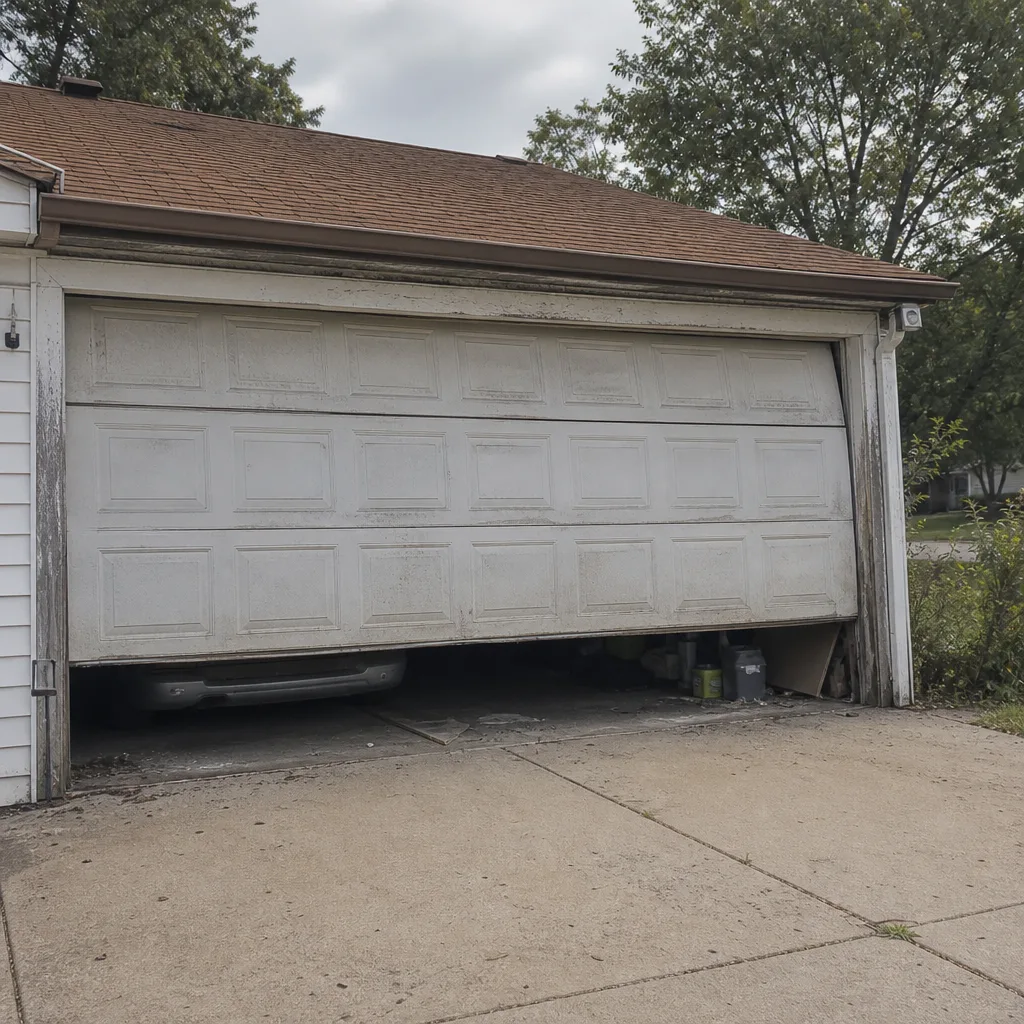 Before
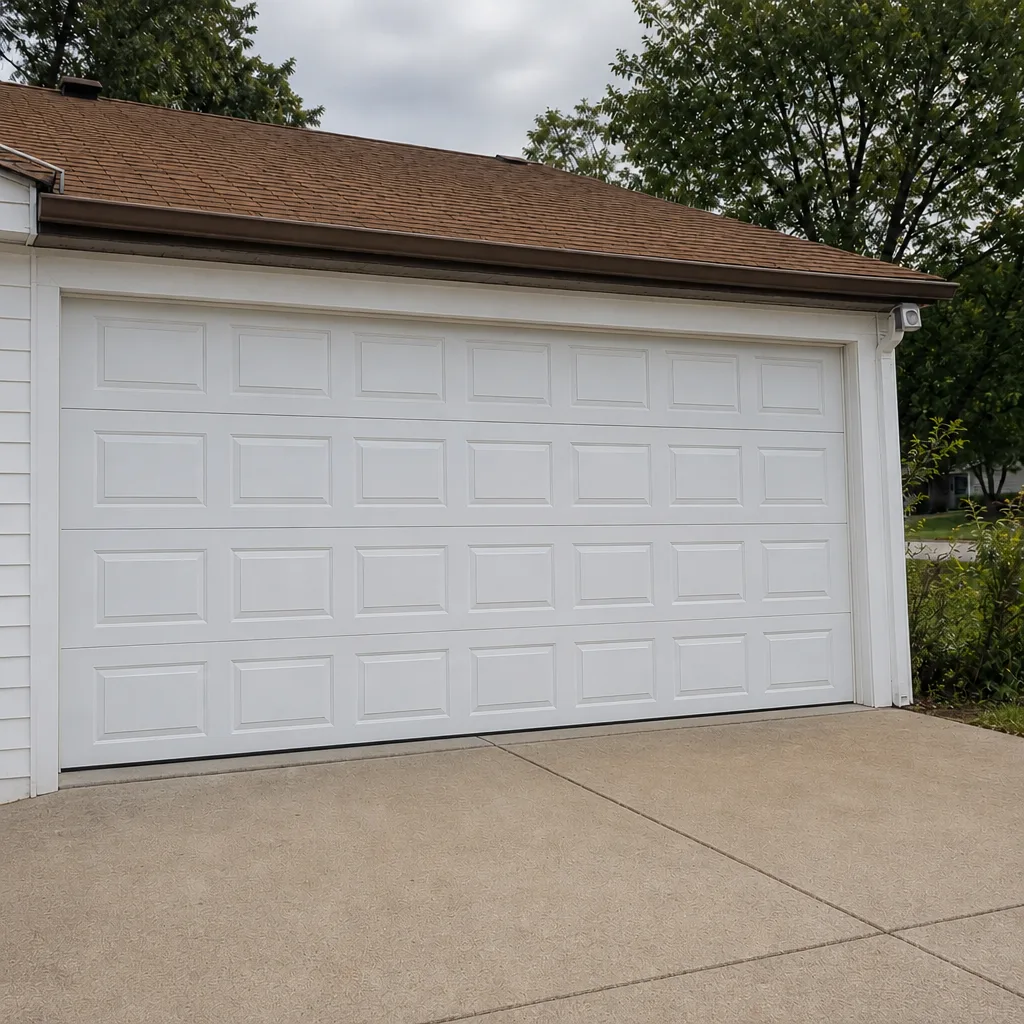 After
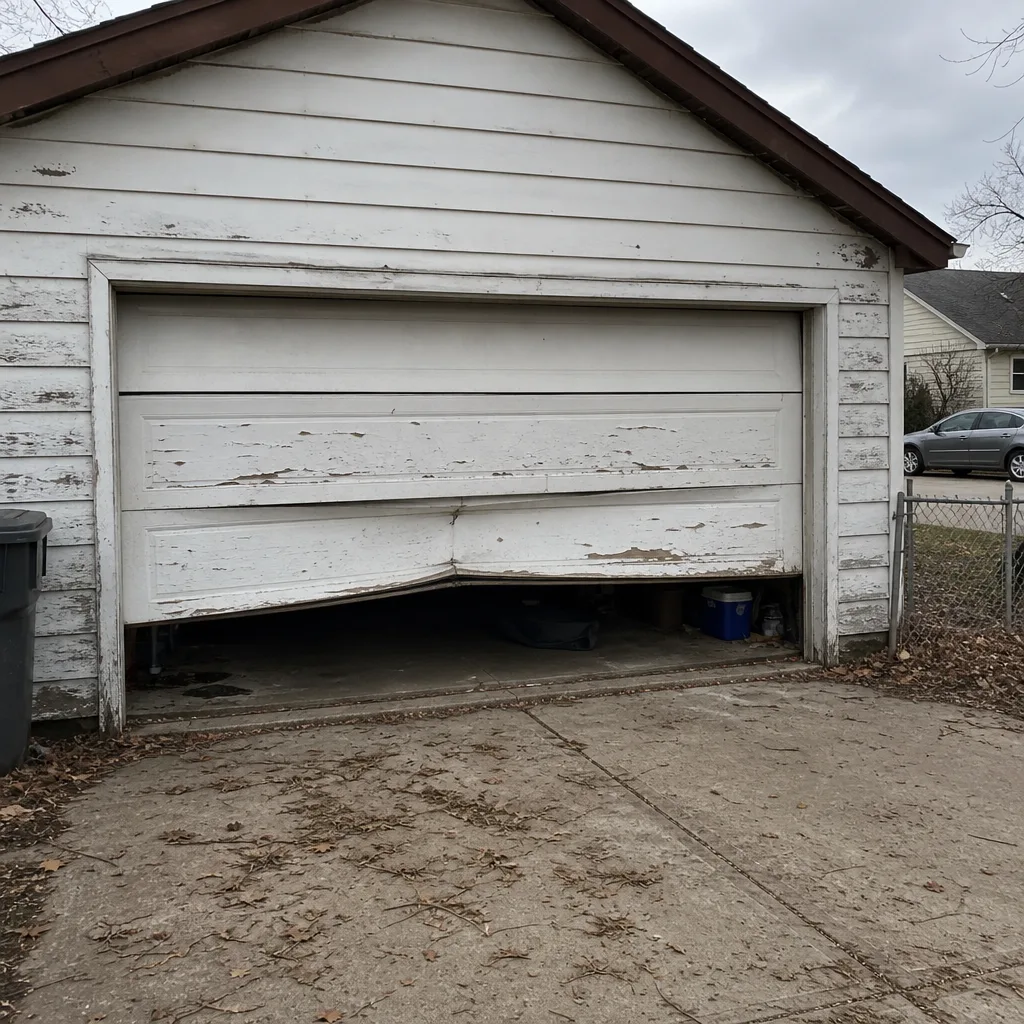 Before
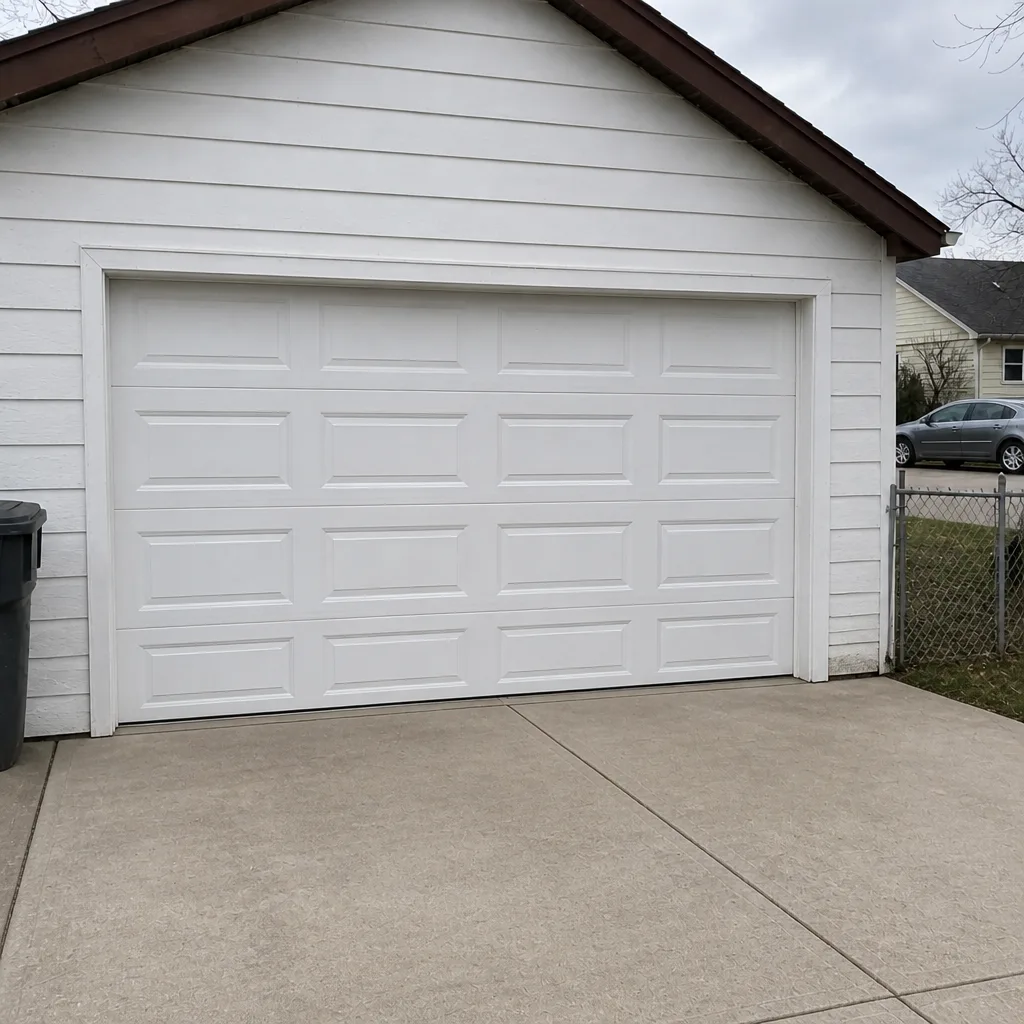 After
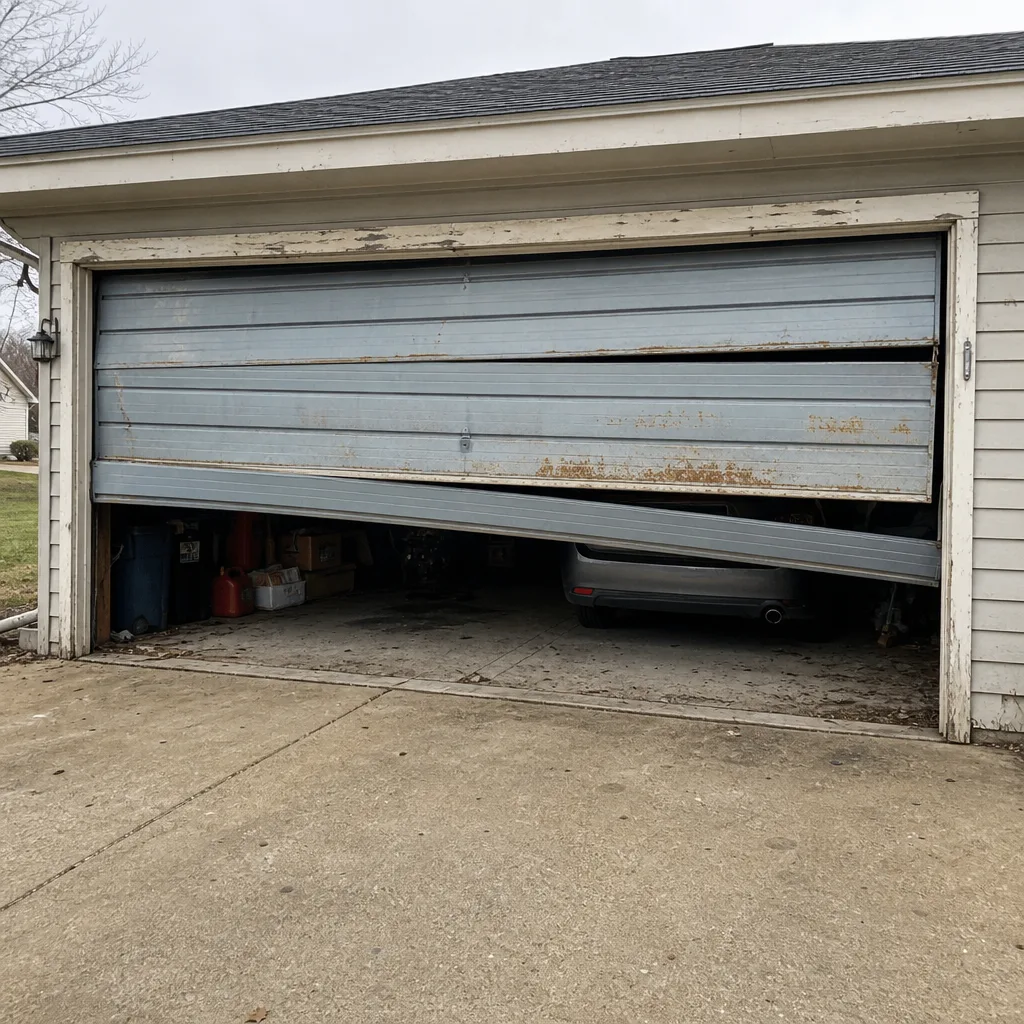 Before
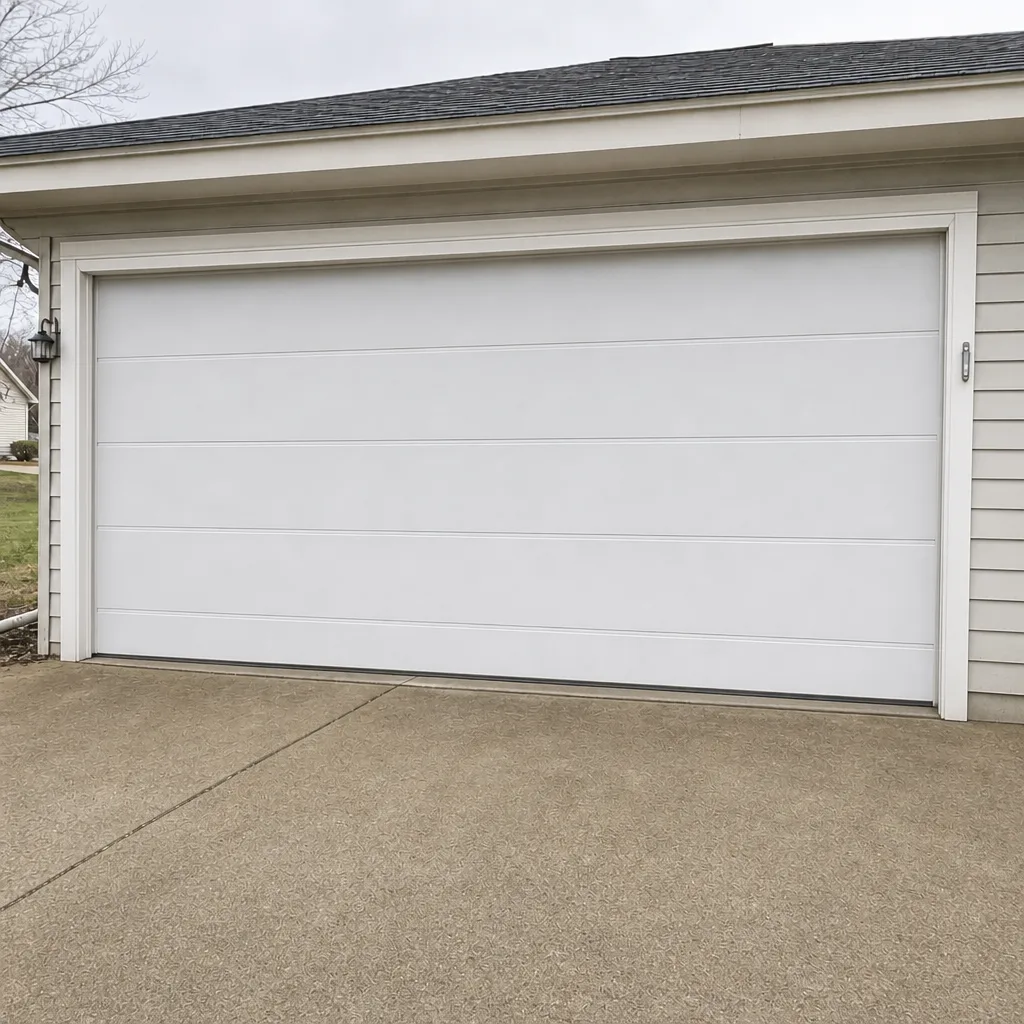 After
When to Call a Professional
Some garage door issues are safe to monitor. Others need a trained technician, and quickly. Call us when the door won’t open or close at all, when you hear a bang from the garage, when the door hangs crooked or comes down unevenly, or when you see a gap in a spring or a frayed cable. Those are the safety cases. Call too when the opener runs but the door doesn’t move, when the door reverses for no reason, or when the bottom seal is letting weather in. Garage Door Repair Longfellow offers free estimates in Longfellow. Call (855) 658-4110 and we’ll get someone out. For a stuck door or broken spring, we offer emergency service, and same-day where we can. Our technicians have up to 13 years of experience, and we’re trained on the brands most common here, so the person who arrives knows your hardware before they’re through the door.
Frequently Asked Questions
Torsion spring replacement in Longfellow typically runs $180 – $340 for a single spring, and a matched pair usually replaced together costs about twice that, roughly $360 – $680. Extension springs run about $150 – $290. The exact price depends on your door weight, spring type and access, and your written estimate is set before any work starts. Call (855) 658-4110 for an exact quote. Estimates are free.
In most cases, yes. A stuck door, a broken spring or an opener that won’t respond is exactly what our emergency garage door service is for, and we can often reach Longfellow the same day. Call (855) 658-4110 and we’ll confirm availability. Estimates are free.
No. We quote the price and agree it with you before any work begins, so the estimate you approve is the price you plan around. If an inspection turns up something that changes the job, we discuss it with you and get your approval before continuing. Call (855) 658-4110 for an exact quote.
The local pros we connect you with are licensed and insured as their state requires. Our team is trained and experienced on the major residential brands, and our technicians have up to 13 years of experience. Call (855) 658-4110 to talk through your job.
It usually comes down to repair history, door age, material and structural condition. A door with one or two repairs over the years is often worth fixing. A door that’s needed repeated major repairs, or is crooked or separating, is usually a replacement. The local climate matters too: in Longfellow, freeze-thaw accelerates seal and hardware wear. Call (855) 658-4110 and we’ll give you a straight answer.
Cold makes steel springs more brittle, hardens and cracks bottom seals, and thickens lubricant in the tracks and rollers. Repeated freeze-thaw in Longfellow means those components wear faster here than in milder climates, which is why spring and cable failures spike in the winter and early spring. Call (855) 658-4110 if your door feels heavy or is straining in the cold.
The Bottom Line
Your garage door isn’t a generic appliance, and the advice that keeps it working in Longfellow is specific to this place. Know your brand so you understand its weak points. Respect freeze-thaw’s effect on springs, seals, cables and tracks. Distinguish a symptom from a diagnosis before you spend money. Get the price in writing before work starts, and treat springs as a professional job every time, not a weekend project. Whether you’re facing a snapped spring or planning a new door, you can work with one company for the full scope. Call (855) 658-4110 for a free estimate.
Written by the team at Garage Door Repair Longfellow.